

Illustrative patient and clinician discussing tooth contours using a dental model
Cosmetic Dentistry

Tooth Reshaping in Etobicoke

A longer trip is a good reason to make each appointment count. If you are travelling from Etobicoke about an uneven or pointed tooth, we can plan a focused assessment that explains whether minor enamel contouring suits you, what it permanently changes, and how many visits it might take.

Coming from Etobicoke

Make the first visit the useful one.

When the drive is longer, it pays to know what a reshaping appointment can settle. Contouring is a cosmetic procedure in which a small amount of enamel is removed to adjust a tooth's outline or smooth an irregular edge. It is suited only to minor concerns, and it cannot lengthen a tooth or alter its position in the arch.

That limited reduction is also irreversible. A careful plan looks at the health of the tooth, the depth of enamel available, and how it contacts other teeth when you bite and chew. Sometimes the answer at the end of an exam is that bonding, an orthodontic opinion, or simply leaving the feature makes more sense.

For people coming from Etobicoke, a little preparation goes a long way. Bring a list of past dental work, any photos showing the feature, and the questions you most want answered. Tell us whether you hope to decide on the day or prefer to think first. We will explain what is realistic and what would need another visit.

Plan a focused assessment
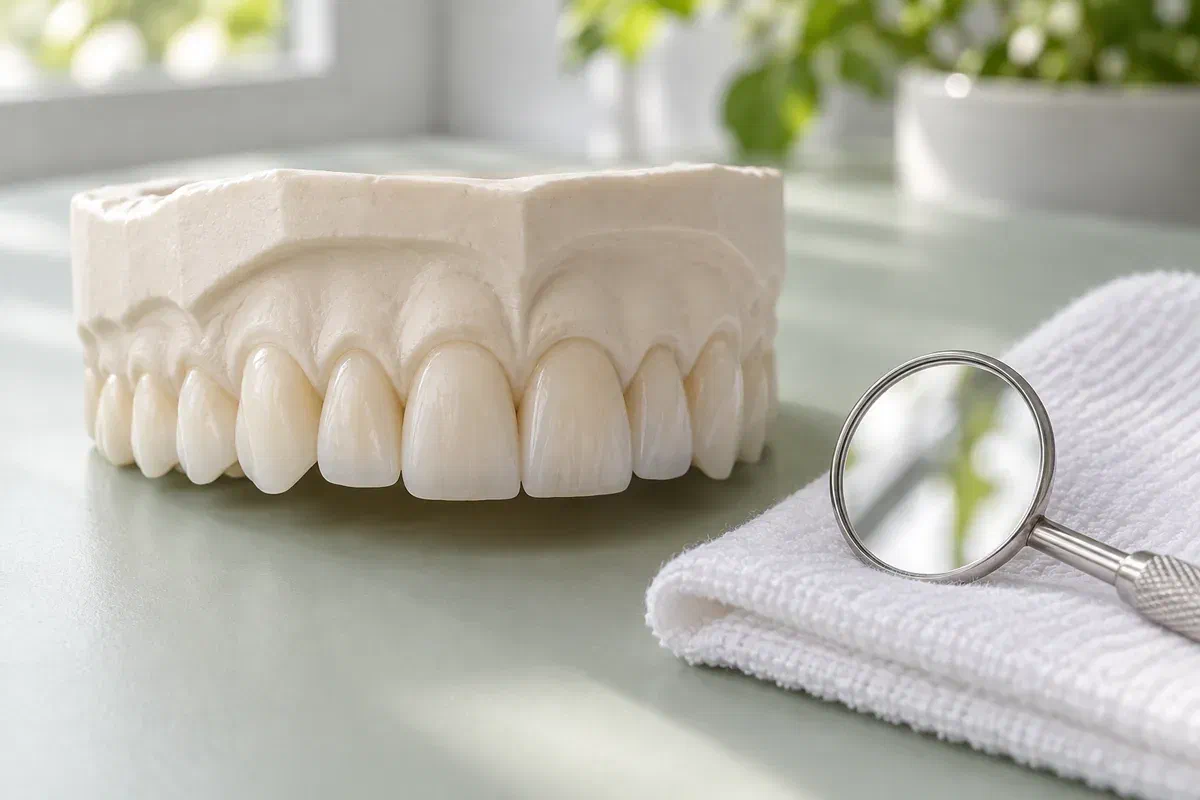
Illustrative dental teaching model with natural incisor edges beside a dental mirror
Worth checking before you travel

Is the edge a cosmetic detail, or something that needs a closer look?

A natural point, a fresh chip, and a worn edge lead to very different plans. Thinking about when the feature appeared helps you describe it clearly when you call.

A long-standing shape you'd like refined

If the tooth has always looked this way, describe the change you have in mind. Ask whether a cautious adjustment could get near it, and how much of the tooth would remain untouched. Sometimes leaving a healthy natural feature is the more sensible call.

A chip or rough spot that just appeared

A recent break, especially after a knock or hard bite, may need repair rather than polishing. If it is painful, sharp enough to cut, or accompanied by swelling, consider care closer to home first instead of waiting for a cosmetic visit.

Edges that look shorter than they used to

Mention grinding, clenching, jaw tenderness, or a bite that feels different. Wear and drifting teeth can both create a length difference. Shortening teeth to keep pace with ongoing wear seldom deals with the cause.

Please do not file or smooth a tooth yourself before your appointment. Only an examination can show whether enamel removal is appropriate and how it would affect the tooth and your bite.

Why a focused plan helps

Fewer trips, clearer choices

For a minor feature on a suitable tooth, contouring may achieve a modest change in a single visit and without any crown or veneer. That benefit only applies when the tooth qualifies. Ask how it relates to your case and how it compares with bonding, which may need a different number of appointments, or with no treatment.

An assessment also separates shape from position. A tooth that looks long may be sitting slightly out of line, and a missing corner may need building up. Knowing this before you commit spares you from pursuing an appearance goal through a change that cannot achieve it.

A precise target agreed in advance

Ask to see exactly which area would be adjusted and how far the change would go. Confirm whether the aim is smoothing, rounding a tip, or altering an outline. A clear target makes it easier to plan the visit and avoid surprises.

An honest count of appointments

Compare contouring, bonding, and orthodontic advice in terms of visits, maintenance, and preparation. Ask which steps could reasonably be grouped together. The most convenient route is not always the most suitable, but it is fair to know the difference.

A decision on your timeline

You can hear the plan and decide later, or choose no elective change. Raise worries about shortening teeth or losing character before treatment. Agreement should cover the exact adjustment described, not a general sense of tidying up.

What a visit can cover

From history to final polish, in planned stages

Timing depends on the tooth and any other care involved. Ask whether assessment and treatment could share one appointment in your case, or whether separating them is wiser.

  1. Send your history ahead, then show the tooth

    When booking, mention past fillings, braces, sensitivity, injuries, or wear. At the visit, point out the edge and describe the change you want. Whether the concern is natural enamel, a restoration, or a new break shapes the whole plan.

  2. Examine and weigh the alternatives

    The exam reviews the tooth's condition and its relationship to your bite, and further assessment is arranged if needed. Ask directly whether reduction is suitable, what risks apply, and whether another approach or monitoring would serve you better.

  3. Confirm scope before anything changes

    Agree on the tooth, the contour, and the expected result. Ask about comfort, and say if you feel nervous. Adjustments should stay within the plan, and any extra change requires a new conversation.

  4. Finish, review, and plan any follow-up

    After the adjustment, the surface is polished and the result checked with you. Look carefully and mention anything unexpected. Ask whether a review is needed and whether a phone call could replace a trip if something minor comes up.

Back home after contouring

Simple care, and knowing who to call

Follow the instructions for the treatment you received, especially if bonding was part of the visit. Aftercare differs between cosmetic procedures, so take your notes home with you.

Leave with clear cleaning advice

Ask how to care for the adjusted area and which sensations should prompt a call. Continue the routine your clinician recommends. If a sensitivity toothpaste is suggested, check how long to use it and when to update the clinic.

Phone before driving in for small concerns

If an edge still catches, your bite feels different, or mild discomfort lingers, call first. Describe what you notice. The team can advise whether a review is needed, which is safer than trying an abrasive product at home.

Ask why if the edge changes again

If fresh wear or a chip appears, ask what might be causing it. Discuss habits or a protective appliance if relevant. Repeated contouring should not replace understanding a problem that keeps returning.

Comparing what each route involves

Reduce, add, or reposition, and how many visits each might take

Ask which part of your concern each option addresses. Compare the tooth's condition, preparation, and long-term care rather than choosing by appearance or convenience alone.

When a minor feature is suitable to reduce

A small contour adjustment

Contouring may be discussed for an appropriate edge after examination. Ask how far a conservative reduction would take you toward your goal. Keep the change proportionate, since the enamel that is removed is not replaced.

When structure needs to be added

Bonding or another repair

Tooth-coloured material may suit a tooth that is short or chipped. Ask how it is maintained and what future visits it may require. Older restorations are judged on their own merits, apart from the natural tooth.

When position or preference decides

Orthodontic advice, or leaving it as is

If position is behind the uneven look, ask whether an alignment opinion is worthwhile. Keeping a healthy natural shape is also a fair choice. Understand both before using contouring to stand in for a change in position.

Patient information: British Orthodontic Society — comparing alignment and restorative changes

Etobicoke planning questions

Questions to settle before the trip

These answers focus on preparation, scope, and what one appointment can realistically cover. Bring your own as well, including what would happen if you left the tooth unchanged.

(905) 876-4488
Can the exam and the contouring happen on the same day?
Sometimes, if the tooth is straightforward and you feel ready to decide. In other cases, further assessment or time to consider alternatives is wiser. Ask when booking so the appointment length matches what you hope to achieve.
What information should I have ready when I call to book?
Which tooth concerns you, when you noticed it, any past dental work on it, and whether it is painful. That helps the team set aside the right amount of time and flag anything that should be seen sooner.
If my tooth chips badly before my appointment, what should I do?
A painful or significant break should not wait for a planned cosmetic visit. Seek prompt dental care, which may be closer to home, and let us know so the plan can be updated.
Does reshaping usually need a follow-up visit?
It depends on the tooth and what was done. Some people need a review, while others are simply asked to call if something feels off. Ask at the end of your appointment what follow-up is recommended for you.
Will I see the planned change before it is made?
The clinician can point out the area and describe the intended adjustment. Ask questions until you understand which part of the edge would change and what would stay the same.
How do I know if the trip is worth it for such a small change?
An assessment can tell you whether contouring suits you at all, which may save a later visit for something unsuitable. It also gives you a clear comparison with other options before you decide anything permanent.

Patient information: British Orthodontic Society — interproximal reduction as a planned orthodontic procedure

Booking from Etobicoke

Tell us what you'd like to cover, and we'll plan the time.

Call our Bronte Street practice about an uneven edge, pointed tip, or other tooth-shape concern. We can outline what the first appointment includes and help you compare a limited contour with other reasonable options.

Contouring permanently removes enamel and is offered only after assessment. Scope, appointment length, comfort measures, and fees are discussed individually.

Visit Milton Dental Clinic
Unit 1, 342 Bronte St. S, Milton, ON L9T 5B7
Get directions Clinic hours
Monday–Thursday
11am–7pm
Friday–Sunday
By appointment only

Areas we serve

  • Milton
  • Oakville
  • Mississauga
  • Georgetown
  • Halton Hills
  • Acton
  • Campbellville
  • Brampton
  • Burlington
  • Puslinch
  • Rockwood
  • Erin
  • Caledon
  • Etobicoke
  • Old Milton
  • Bronte Meadows
  • Timberlea
  • Dorset Park
  • Dempsey
  • Clarke
  • Beaty
  • Coates
  • Harrison
  • Scott
  • Willmott
  • Ford
  • Bowes
  • Cobden
  • Walker
  • Mountain View
  • Milton Heights
  • Hawthorne Village
  • Valley View
  • Fallingbrook
  • Nassagaweya
  • Trafalgar
  • Esquesing
  • Nelson
  • Brookville
  • Moffat
  • Glen Williams
  • Norval
  • Limehouse
  • Stewarttown
  • Ashgrove
  • Hornby
  • Silver Creek
  • Speyside
  • Scotch Block
  • North Oakville
  • River Oaks
  • Glen Abbey
  • West Oak Trails
  • Palermo
  • Bronte Creek
  • College Park
  • Joshua Creek
  • Uptown Core
  • Preserve
  • Iroquois Ridge
  • Lisgar
  • Meadowvale
  • Meadowvale Village
  • Churchill Meadows
  • Erin Mills
  • Central Erin Mills
  • Streetsville
  • East Credit
  • Creditview
  • Heartland
  • Sheridan
  • Mount Pleasant
  • Credit Valley
  • Huttonville
  • Churchville
  • Springbrook
  • Northwest Brampton
  • Bram West
  • Fletcher's Meadow
  • Fletcher's Creek South
  • Alton Village
  • Orchard
  • Millcroft
  • Headon Forest
  • Tansley
  • Brant Hills
  • Tyandaga
  • Kilbride
  • Lowville
  • Aberfoyle
  • Morriston
  • Arkell
  • Hillsburgh
  • Freelton
  • Carlisle
  • Waterdown
  • Flamborough
  • Mountsberg

How can we help?

Milton Dental Clinic

Have a question about your smile? Choose the option that works best for you.

For urgent dental concerns, please call.
Messages are reviewed during clinic hours.