

Illustrative patient and clinician discussing tooth contours using a dental model
Cosmetic Dentistry

Tooth Reshaping in Georgetown

Front teeth that look flatter, chippier, or more uneven than they used to often tell a story about clenching or grinding. From Georgetown, arrange an assessment to understand that pattern, whether a careful enamel contour would help or hinder, and which other approaches deserve attention.

Worn edges, seen from Georgetown

When the edges have been doing the grinding

Many people notice edge changes gradually: a slight unevenness, little nicks along the biting surface, or one tooth that now looks shorter than its partner. Reshaping can smooth small irregularities by taking off a limited amount of enamel. It cannot restore length that has been worn away, and it will not reposition a tooth.

Wear changes the picture. Teeth that are already losing enamel have less to spare, and trimming the longer ones to match can leave the whole row shorter. A clinician looks at the health of each tooth, the enamel that remains, and how the teeth come together, then considers whether the cause needs managing before any cosmetic step.

If you are booking from Georgetown, mention any signs of night grinding, such as morning jaw stiffness or a partner hearing it. Point out the edges that bother you and whether they feel rough or simply look uneven. We will explain what a small adjustment could do, and when protecting your teeth comes first.

Ask about worn or chipped edges
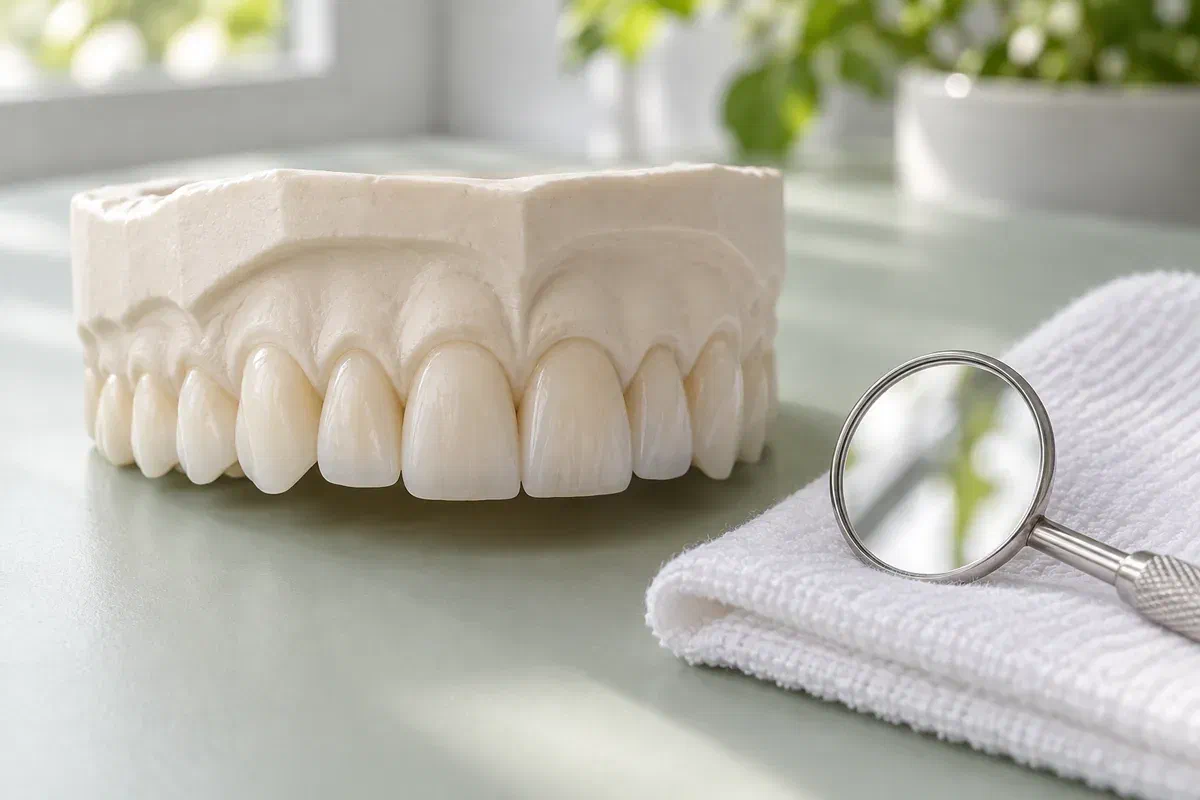
Illustrative dental teaching model with natural incisor edges beside a dental mirror
Shape versus wear

Different edges, different reasons

Some edges are naturally uneven, some have chipped, and some reflect ongoing wear. The distinction matters because it changes whether removing enamel is wise.

Natural variation that wear has made more visible

A feature you always had may look more noticeable as surrounding teeth wear. Describe what has changed and what you would like. Ask whether a gentle contour would help, or whether the amount of enamel involved argues for leaving it.

Small chips along a biting edge

Tiny chips can come from biting hard objects or from teeth meeting heavily. Explain any event that preceded them. An exam can show whether they can be smoothed, need repairing, or point to an issue with how your teeth contact.

Flattening linked to clenching or grinding

Share any history of grinding, jaw tenderness, headaches on waking, or a bite that feels different. If wear is active, reducing more enamel can make the problem worse. Addressing the habit is often the first conversation.

Please do not try to even out worn or chipped edges yourself. An examination is needed to judge whether any enamel removal is suitable and how it would affect teeth that may already be under strain.

What a thorough assessment offers

A plan that protects enamel as well as appearance

When the tooth is suitable and the concern is limited, smoothing a small chip or rough patch may tidy its look while avoiding a covering restoration. With worn teeth, though, preserving enamel often matters more. Ask how contouring would affect your remaining enamel and what bonding or protective measures would offer instead.

Assessment also reveals whether a tooth looks uneven because of its shape, its position, or wear on its neighbours. Knowing which applies helps you avoid trimming healthy teeth to match ones that have already lost length. It also gives you a baseline, so future changes in the edges can be compared against what was seen at this visit.

A defined adjustment, or none at all

Ask exactly which edge would be smoothed and how much would be removed. Clarify whether the aim is to soften a rough nick or to change an outline. With worn teeth, a very small or deferred adjustment may be the better plan.

Options that add rather than remove

Discuss whether bonding could rebuild lost length or protect a thin edge. Compare maintenance, visits, and preparation. Where wear is ongoing, any cosmetic option should fit alongside steps to manage it.

Attention to the cause

Raise any concern about grinding, clenching, or a changing bite. Ask whether a night guard or other advice is relevant. A plan that addresses the cause is more durable than repeated cosmetic smoothing.

How we approach worn edges

Understand the wear, then decide on the shape.

Visit length depends on the teeth involved and any other care required. Ask whether the assessment can be separate from any treatment so you have time to consider the findings.

  1. Describe the changes and your habits

    Show the edges that concern you and explain how they have changed. Mention fillings, orthodontics, sensitivity, injuries, and any signs of grinding. Knowing whether a surface is natural enamel, a restoration, or newly chipped guides everything else.

  2. Examine wear, bite, and tooth condition

    The clinician reviews the enamel, the way teeth meet, and signs of active wear, arranging further assessment if needed. Ask whether contouring suits these teeth, what risks apply, and whether bonding, protection, or monitoring would be a better first step.

  3. Agree on a cautious plan

    If an adjustment is appropriate, confirm the exact edge and the intended result. Ask about comfort and mention any anxiety. Any change should stay within what was agreed, with extra work discussed separately.

  4. Smooth, check, and plan protection

    After a planned adjustment, the surface is polished and reviewed with you. Check how your teeth meet and mention anything unexpected. Ask about follow-up and whether a night guard or review of wear is recommended.

Protecting edges after treatment

Care for the tooth, and keep an eye on the habit.

Follow the instructions for the treatment you actually received, especially if bonding or a protective appliance was involved. Aftercare is not the same for every cosmetic visit.

Clarify cleaning and sensitivity advice

Find out what cleaning the smoothed edge involves and which sensations should prompt a call. Continue the home routine your clinician suggests. If a product for sensitivity is recommended, confirm how long to keep using it before checking in.

Note new roughness or a different bite

Tell the team if an edge feels rough again, your bite changes, or discomfort lingers. Describe what you notice when chewing. A review is better than trying an abrasive product or asking for further smoothing.

Follow through on wear management

If a night guard or habit advice was suggested, ask how to use it and when to check progress. Fresh chips or flattening are worth reporting. Smoothing teeth again and again cannot replace managing the cause.

Paths for worn or chipped edges

Smoothing is only one of several tools.

Ask which part of the concern each option handles. Compare tooth condition, preparation, and long-term care, especially if wear is still happening.

When a small irregularity can be safely smoothed

Light contouring of a rough area

Contouring may suit a minor nick or rough spot once wear has been assessed. Ask how much enamel would be involved and whether it is enough to make a difference. Keep in mind that removed enamel is permanent loss.

When length or structure has been lost

Bonding to rebuild or protect

Adding tooth-coloured material may restore a worn or chipped edge. Ask how bonding holds up where grinding is involved and what maintenance it needs. Existing restorations are assessed on their own.

When the cause matters more than the outline

Bite review, alignment advice, or waiting

If position or bite is driving the wear, ask whether orthodontic or other advice is appropriate. Leaving edges unchanged while wear is managed is a reasonable choice. Understand both before treating contouring as the answer.

Patient information: British Orthodontic Society — comparing alignment and restorative changes

Georgetown questions on worn edges

Grinding, chipping, and reshaping

These answers cover the link between wear and tooth shape, and when contouring helps or hinders. Bring your own questions, including what would happen if you left your edges as they are.

(905) 876-4488
Can reshaping fix teeth that have been worn down by grinding?
Contouring removes enamel, so it cannot restore lost length. It may smooth a rough nick, but worn teeth often benefit more from protection or from material being added. An exam can show what is realistic.
How can I tell whether I grind my teeth at night?
Signs can include jaw stiffness on waking, headaches, flattened edges, or someone hearing it. The clinician can look for wear patterns during an exam and discuss whether a night guard is worth considering.
Should I wait until a night guard is in place before contouring?
Often it makes sense to address active wear first, so the edges are stable before any cosmetic change. Ask the clinician what order they recommend for your teeth, and whether a short period of monitoring would show if the edges are still changing.
Can small chips along the edge be smoothed instead of filled?
Sometimes very small chips can be polished, while larger ones may need bonding. The decision depends on size, location, and the enamel left. An exam determines which applies.
Will bonding on a worn edge last if I grind?
Grinding can place strain on bonding as well as natural teeth. Ask how the material might perform in your situation, what signs of wear or chipping to watch for, and whether protection at night would help it last longer.
If I live in Georgetown, can wear checks be combined with my regular cleanings?
Ask when you book. Reviewing wear during routine visits is often practical, and it can reduce separate trips while keeping track of any changes over time.

Patient information: British Orthodontic Society — interproximal reduction as a planned orthodontic procedure

From Georgetown, for worn edges

Show us the wear, and we'll talk about the whole picture.

Make an appointment with our Bronte Street team for flattened, chipped, or uneven edges. We will explain the exam and help you compare a light contour with bonding, protection, or simply monitoring the teeth for now.

Any enamel taken off stays off, so contouring happens only once an exam supports it. Scope, comfort options, appointment length, and fees are discussed with you individually.

Visit Milton Dental Clinic
Unit 1, 342 Bronte St. S, Milton, ON L9T 5B7
Get directions Clinic hours
Monday–Thursday
11am–7pm
Friday–Sunday
By appointment only

Areas we serve

  • Milton
  • Oakville
  • Mississauga
  • Georgetown
  • Halton Hills
  • Acton
  • Campbellville
  • Brampton
  • Burlington
  • Puslinch
  • Rockwood
  • Erin
  • Caledon
  • Etobicoke
  • Old Milton
  • Bronte Meadows
  • Timberlea
  • Dorset Park
  • Dempsey
  • Clarke
  • Beaty
  • Coates
  • Harrison
  • Scott
  • Willmott
  • Ford
  • Bowes
  • Cobden
  • Walker
  • Mountain View
  • Milton Heights
  • Hawthorne Village
  • Valley View
  • Fallingbrook
  • Nassagaweya
  • Trafalgar
  • Esquesing
  • Nelson
  • Brookville
  • Moffat
  • Glen Williams
  • Norval
  • Limehouse
  • Stewarttown
  • Ashgrove
  • Hornby
  • Silver Creek
  • Speyside
  • Scotch Block
  • North Oakville
  • River Oaks
  • Glen Abbey
  • West Oak Trails
  • Palermo
  • Bronte Creek
  • College Park
  • Joshua Creek
  • Uptown Core
  • Preserve
  • Iroquois Ridge
  • Lisgar
  • Meadowvale
  • Meadowvale Village
  • Churchill Meadows
  • Erin Mills
  • Central Erin Mills
  • Streetsville
  • East Credit
  • Creditview
  • Heartland
  • Sheridan
  • Mount Pleasant
  • Credit Valley
  • Huttonville
  • Churchville
  • Springbrook
  • Northwest Brampton
  • Bram West
  • Fletcher's Meadow
  • Fletcher's Creek South
  • Alton Village
  • Orchard
  • Millcroft
  • Headon Forest
  • Tansley
  • Brant Hills
  • Tyandaga
  • Kilbride
  • Lowville
  • Aberfoyle
  • Morriston
  • Arkell
  • Hillsburgh
  • Freelton
  • Carlisle
  • Waterdown
  • Flamborough
  • Mountsberg

How can we help?

Milton Dental Clinic

Have a question about your smile? Choose the option that works best for you.

For urgent dental concerns, please call.
Messages are reviewed during clinic hours.