

Illustrative patient and clinician discussing tooth contours using a dental model
Cosmetic Dentistry

Tooth Reshaping in Mississauga

Teeth can be straight and still have edges that don't quite line up, especially after braces or aligners. From Mississauga, book an assessment to find out whether a conservative enamel contour suits those edges, what it changes for good, and how it fits with any orthodontic plan.

Reshaping for Mississauga smiles

Straight teeth, uneven edges: a common puzzle

Once teeth are aligned, small differences in edge length or corner shape can stand out more than they did before. That is a frequent reason people ask about reshaping. The procedure, also known as enamel contouring, removes a thin and limited layer of enamel to even out an edge or soften an outline. It adds nothing and does not shift teeth.

Any enamel taken away is gone permanently. Before suggesting a contour, the clinician considers the tooth's condition, the enamel available, and how upper and lower teeth now meet. For someone who has just finished orthodontics, or is still in treatment, timing and coordination with that plan matter as much as the shape itself.

If you are coming from western Mississauga neighbourhoods such as Meadowvale or Churchill Meadows, bring any notes or retainer details from your orthodontic care. Tell us which edges bother you and whether the concern is how they look or how they feel. We will explain what a small adjustment could reasonably accomplish.

Ask about uneven edges
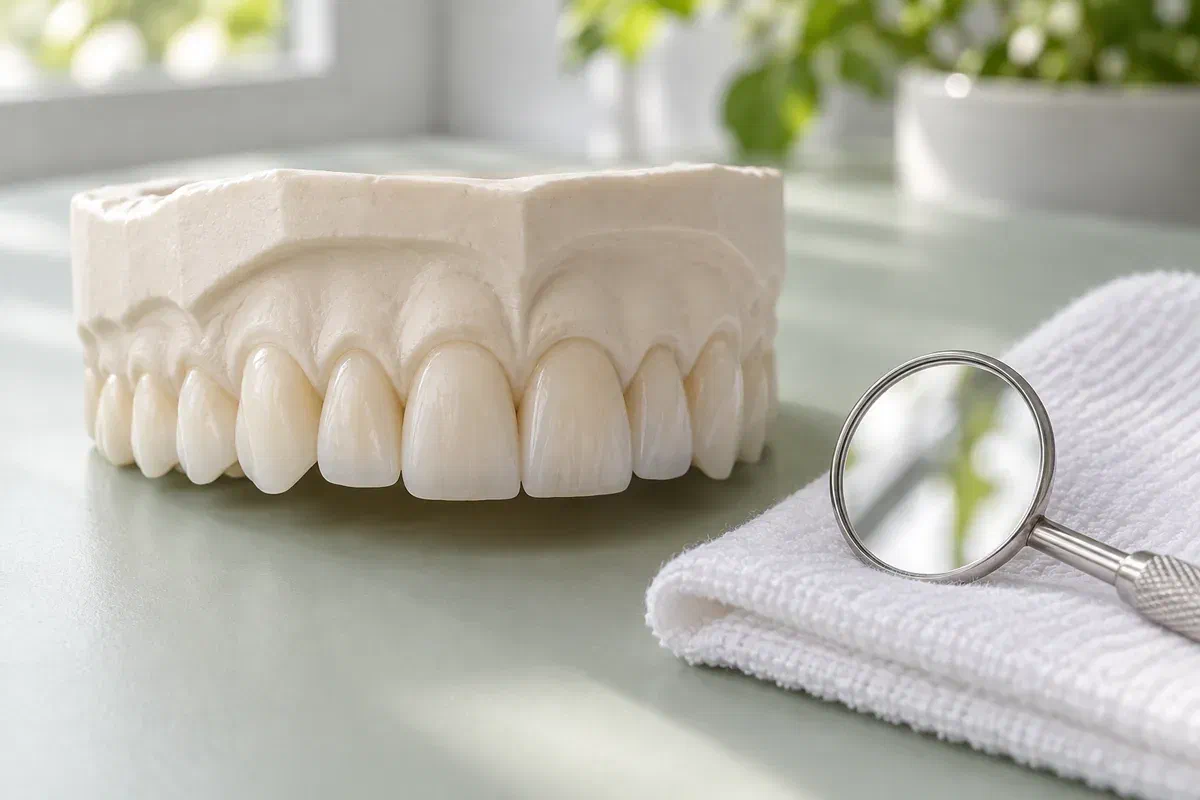
Illustrative dental teaching model with natural incisor edges beside a dental mirror
Why edges may not match

Alignment, wear, and natural shape each leave their own mark.

Edges can differ because teeth formed that way, because one has worn or chipped, or because their position is still settling. Explain what you have noticed and when.

Natural differences revealed by straightening

Teeth that once overlapped may show uneven edges once they line up. Point out the ones you notice and describe the look you want. Ask how much contouring that would mean, and whether keeping some natural variation might be the better result.

A chip or roughness that's newer

Tell us about any knock, hard bite, or recent bonding or bracket removal near the area. A chipped edge may need repair rather than smoothing. Anything that has just changed should be checked first rather than assumed to be cosmetic.

Wear that shortens some teeth more than others

Share any grinding, clenching, or sense that your bite feels different. Uneven wear can make some teeth look shorter. Repeatedly evening teeth out does not deal with why they are wearing, so the cause belongs in the conversation.

Please do not file or sand teeth at home, even small edges. A professional exam is the only safe way to judge whether removing enamel is suitable and how it would affect the tooth and bite.

What careful planning gives you

A finishing touch that respects the rest of your treatment

For a suitable tooth with a minor edge difference, contouring may refine the look without covering the tooth in a restoration. That is only an advantage if your tooth and situation fit. Ask how it applies to you and how it compares with bonding or with simply waiting until teeth have settled.

The appointment also clarifies whether an edge looks uneven because of its shape or its position. A tooth that seems long may be slightly out of line, and a short one may need material added. Making that distinction avoids pursuing a cosmetic goal through a change that cannot deliver it.

Edges identified one by one

Ask the clinician to show which teeth and which parts of each edge would be adjusted. Confirm whether the goal is evening length, rounding a corner, or smoothing a rough spot. A tooth-by-tooth plan is clearer than a general instruction to make the row look level.

Coordination with orthodontic care

If you wear retainers or aligners, discuss whether contouring should wait, happen now, or be handled by your orthodontist. Ask how each route affects retention, timing, and the final shape. Sequencing can matter more than the adjustment itself.

A decision you make in your own time

You can listen to the plan, think it over, or choose no elective change. Mention any worry about shortening teeth or losing natural character. Consent should reflect the specific edges and amounts proposed, not a blanket approval for touch-ups.

How the visits unfold

Reviewing your history, then the edges themselves

Appointment length depends on how many teeth are involved and whether other care is planned. Ask what each visit covers and whether you can decide on treatment later.

  1. Share your orthodontic and dental history

    Bring details of braces, aligners, retainers, fillings, and any injuries or wear. Point to the edges you would like changed. The clinician needs to know whether each concern involves natural enamel, bonding, or a newly damaged surface.

  2. Examine alignment, bite, and enamel

    The exam reviews each tooth's condition and how teeth meet now, with further assessment arranged where needed. Ask whether contouring suits these edges, which risks apply, and whether waiting, bonding, or orthodontic input would serve your goal better.

  3. Agree on each edge before starting

    Confirm the teeth, the areas, and the intended outcome. Ask how comfort will be managed, and let the clinician know if you feel anxious. Adjustments should follow the agreed plan, with any additional changes discussed first.

  4. Finish, compare, and check contacts

    After the planned contouring, surfaces are polished and the result reviewed with you. Look at the edges together and mention anything unexpected. Confirm whether your retainer still fits comfortably and when to get in touch if your bite feels unfamiliar.

After the edges are refined

Keep your retainer routine and watch how things settle

Follow the advice for the work actually done, especially if contouring was combined with bonding. Aftercare varies between cosmetic appointments and may also depend on your orthodontic instructions.

Check cleaning and retainer advice

Ask how to care for the adjusted teeth and whether anything changes about wearing your retainer. Keep up the home routine recommended for you. If a sensitivity product is suggested, confirm how and how long to use it.

Mention fit or bite changes

Tell the team if your retainer feels different, an edge still catches, or discomfort lingers. Describe what you notice when chewing and talking. A review is a better step than trying an abrasive product or asking for more contouring right away.

Revisit the cause if wear continues

If edges start to look uneven again, ask what may be causing it. Grinding, a habit, or shifting teeth can all play a part, and a protective appliance may be discussed. Repeated contouring should not replace understanding why edges keep changing.

Options after straightening

Contour, add material, or let your orthodontist lead

Each option solves a different part of an edge concern. Weigh the condition of the teeth, the preparation needed, and future care rather than appearance alone.

When a minor edge difference can be reduced

Conservative edge contouring

Contouring may be discussed for suitable edges once teeth are examined and stable. Ask how near a conservative amount would bring you to the look you want. The change should match the concern, knowing that removed enamel cannot be restored.

When an edge needs lengthening or rebuilding

Bonding to build up a short edge

Tooth-coloured material may be suggested where an edge is short or chipped. Ask how it is maintained and what it means for future care. Bonding placed during or after orthodontics is assessed separately from natural enamel.

When position or preference is the deciding factor

Orthodontic fine-tuning, or no change

If an edge looks uneven because of position, ask whether your orthodontist would address it. Leaving a healthy natural edge alone is also reasonable. Consider both before treating contouring as a shortcut for alignment.

Patient information: British Orthodontic Society — comparing alignment and restorative changes

Mississauga contour questions

Reshaping and orthodontics: what to ask

These questions focus on timing, retainers, and the line between cosmetic contouring and orthodontic treatment. Bring your own, including what would happen if you kept your edges as they are.

(905) 876-4488
How long after braces should I wait before having edges contoured?
There is no single answer. It depends on whether your teeth are stable and what your orthodontist advises. Ask both your orthodontic provider and the clinician here so contouring fits the overall plan rather than being rushed.
Will contouring affect how my retainer fits?
Changes to edges can sometimes affect retainer fit, particularly with clear retainers that cover the teeth. Bring your retainer to the appointment and ask whether a fit check is needed afterward.
My orthodontist mentioned enamel reduction between teeth. Is that the same thing?
Reduction between teeth is an orthodontic procedure used to create space and is planned as part of alignment. Cosmetic contouring usually involves visible edges. Ask which is being suggested and who is responsible for each part.
Can uneven edges be left alone after orthodontic treatment?
Yes, if the teeth are healthy and the difference does not bother you. Many people keep some natural variation. The clinician can tell you whether anything about the edges needs attention for health or bite reasons.
Could my edges look uneven because they are still settling?
Teeth can continue to shift slightly after treatment, especially if retainers are not worn as advised. Mention how consistently you wear yours. It may make sense to wait before changing any edge permanently.
Is it worth travelling from Mississauga just for an assessment?
An assessment can answer a lot in one visit: whether contouring suits you, what alternatives exist, and how timing fits your orthodontic care. You can then decide whether to book treatment, without committing at the first appointment.

Patient information: British Orthodontic Society — interproximal reduction as a planned orthodontic procedure

Booking from Mississauga

Bring your retainer and your questions.

Arrange a visit at our Bronte Street practice to discuss uneven edges, a chipped corner, or shape concerns after orthodontic care. We will explain the exam and help you weigh contouring against bonding, orthodontic fine-tuning, or no change.

Contouring is a permanent change offered only after assessment. The amount of change, visit length, comfort options, and fees are discussed individually.

Visit Milton Dental Clinic
Unit 1, 342 Bronte St. S, Milton, ON L9T 5B7
Get directions Clinic hours
Monday–Thursday
11am–7pm
Friday–Sunday
By appointment only

Areas we serve

  • Milton
  • Oakville
  • Mississauga
  • Georgetown
  • Halton Hills
  • Acton
  • Campbellville
  • Brampton
  • Burlington
  • Puslinch
  • Rockwood
  • Erin
  • Caledon
  • Etobicoke
  • Old Milton
  • Bronte Meadows
  • Timberlea
  • Dorset Park
  • Dempsey
  • Clarke
  • Beaty
  • Coates
  • Harrison
  • Scott
  • Willmott
  • Ford
  • Bowes
  • Cobden
  • Walker
  • Mountain View
  • Milton Heights
  • Hawthorne Village
  • Valley View
  • Fallingbrook
  • Nassagaweya
  • Trafalgar
  • Esquesing
  • Nelson
  • Brookville
  • Moffat
  • Glen Williams
  • Norval
  • Limehouse
  • Stewarttown
  • Ashgrove
  • Hornby
  • Silver Creek
  • Speyside
  • Scotch Block
  • North Oakville
  • River Oaks
  • Glen Abbey
  • West Oak Trails
  • Palermo
  • Bronte Creek
  • College Park
  • Joshua Creek
  • Uptown Core
  • Preserve
  • Iroquois Ridge
  • Lisgar
  • Meadowvale
  • Meadowvale Village
  • Churchill Meadows
  • Erin Mills
  • Central Erin Mills
  • Streetsville
  • East Credit
  • Creditview
  • Heartland
  • Sheridan
  • Mount Pleasant
  • Credit Valley
  • Huttonville
  • Churchville
  • Springbrook
  • Northwest Brampton
  • Bram West
  • Fletcher's Meadow
  • Fletcher's Creek South
  • Alton Village
  • Orchard
  • Millcroft
  • Headon Forest
  • Tansley
  • Brant Hills
  • Tyandaga
  • Kilbride
  • Lowville
  • Aberfoyle
  • Morriston
  • Arkell
  • Hillsburgh
  • Freelton
  • Carlisle
  • Waterdown
  • Flamborough
  • Mountsberg

How can we help?

Milton Dental Clinic

Have a question about your smile? Choose the option that works best for you.

For urgent dental concerns, please call.
Messages are reviewed during clinic hours.