An upper front tooth caught behind
Show us which tooth and say whether it has always been that way or changed as adult teeth arrived. Looking at it alongside both arches tells us whether it is likely a local tooth issue or part of a broader pattern.


Crossbite care can involve a general dentist, an orthodontist and occasionally other specialists. For people in Bolton and across Caledon, we explain the bite, who would do what and how referral and routine care fit together without confusion.
One of the first things people ask is who will actually treat the bite. The answer depends on what kind of crossbite it is. In general terms, it describes upper teeth that come down on the inner side of their lower partners rather than overlapping them. One tooth, a group at the back, an entire side or several areas may be involved.
The cause points to the right people. A tooth that has erupted out of line is a different matter from upper and lower jaws that do not match, and some bites involve both. We also see whether the jaw moves sideways as it closes. Those findings help decide whether care stays simple or calls for an orthodontist or other specialist.
Because Caledon is spread across several villages and a lot of countryside, it helps to know the plan and the people before you start. We can examine the bite, explain what we find and, if referral makes sense, describe how information would move between offices and who you would call with questions.
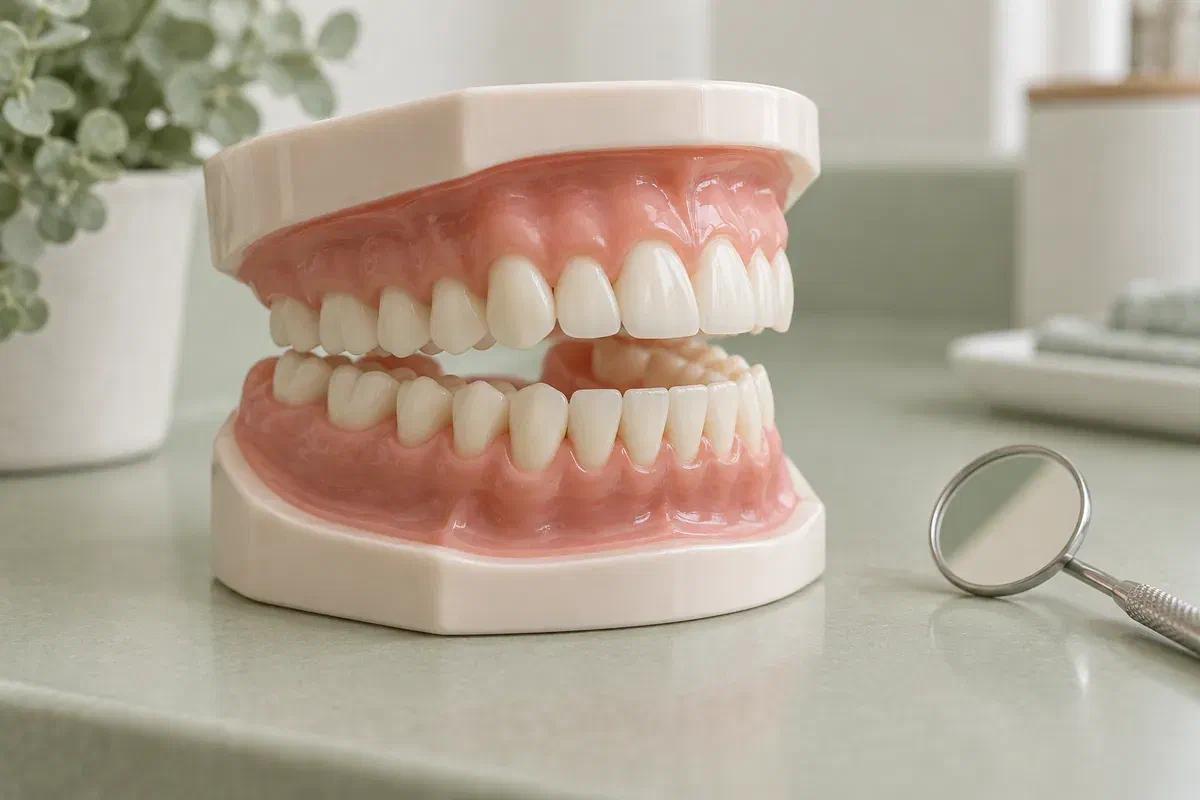
Leave the clinical name to us. Share what you have spotted and any change you have felt in comfort, contact or the way the jaw moves.
Show us which tooth and say whether it has always been that way or changed as adult teeth arrived. Looking at it alongside both arches tells us whether it is likely a local tooth issue or part of a broader pattern.
A glide into the bite, lopsided contact or a preference for chewing on one side gives us useful clues. They help separate a dental pattern from a skeletal or combined one, which in turn shapes who should be involved.
If something about a child’s bite catches your eye, raise it at their visit rather than waiting until all permanent teeth are in. Development decides whether we keep watching or suggest an orthodontic opinion early.
Knowing it is a crossbite is not the same as knowing what to do. Ask about the diagnosis, any shift on closing and why the proposed timing and provider make sense.
An assessment should give you a plain description of which teeth are affected and what change in their relationship care would aim for. That might be moving a tooth, widening the upper arch or looking at the jaws in more detail. Each tends to involve different people, so knowing which applies tells you who to expect.
Symptoms are handled on their own terms. If there is jaw ache, wear or chewing trouble, mention it, and we will outline how it will be looked at and by whom. Nobody should promise that fixing a crossbite will settle every complaint around the jaw.
Ask us what the exam showed and why referral, treatment or monitoring is suggested. If watching is the advice, find out how often the bite will be checked here. Sometimes the right outcome is simply keeping an eye on things.
Children’s growth can open options that adults do not have. Ask which timing factors apply, and whether they affect when a referral should happen. Be cautious of any explanation that rests on one early step preventing later care.
Ask who assesses the bite, who fits and adjusts any appliance, who handles routine cleanings and exams and who to phone with a concern. Ask how notes and records will be shared so you are not the go-between.
Appliance choices come after the cause and goals are agreed. When you book, ask what records might be taken here so they can travel with any referral.
Tell us what you notice when closing and chewing, any discomfort and any earlier orthodontic advice or treatment. For a child, describe how teeth have come in. Habits and old injuries are worth noting, though they may not explain the bite.
We look at both arches, how they meet and the supporting gums. Images, scans or photos may be recommended so that tooth and jaw relationships are clear to everyone involved. Ask us whether the jaw shifts as you close and what that means.
We go over what correction is intended, possible appliances, risks, alternatives and the practical demands of each. If jaw relationships are significant, specialist planning may be advised. Ask who would provide each part of care and what later stages might follow.
Once treatment begins, attend reviews with the treating provider and keep routine visits here. Let each office know about changes in fit, soreness or contact. Before active care ends, confirm who manages retention and ongoing checkups.
Instructions vary with the appliance and the phase. Ask the treating provider to demonstrate any home steps, and keep their contact details handy.
Wear schedules and activation steps should come from whoever is managing the appliance. If a step is missed, call them before trying to catch up. Do not adjust elastics or alter any part of the appliance yourself.
Ask how to brush around fixed parts and care for removable ones. Mention any area that is hard to clean. Keep your regular exams and hygiene visits so routine oral health is looked after while the bite is treated elsewhere.
A loose part, an injury, lasting soreness or a contact that worries you should be reported to the treating provider. Ask whether it is expected. As active care ends, confirm who will handle retention and future reviews.
Every crossbite involves its own teeth and causes, and so its own mix of providers. These answers give context until we have assessed your bite.
Book an assessment with our Bronte Street team to talk about a suspected crossbite, a tooth sitting behind or a jaw that slides when it closes. We will explain what we find and who, if anyone, should be involved next.
Diagnosis, timing, choice of provider, appliance suitability and fees depend on an individual assessment. No particular expansion method or result is guaranteed.
