

Illustrative patient and clinician discussing tooth spacing with a dental study model
Cosmetic Dentistry

Treatment for Gapped Teeth in Acton

Closing a gap is one decision; keeping it closed is a commitment that lasts for years. Treatment for gapped teeth for people in Acton starts with the cause of the space and gives equal weight to the retainers, repairs, and reviews each option brings with it.

Thinking long term in Acton

What will this ask of you in ten years?

It is easy to picture the day a gap is closed and harder to picture the years afterwards. Teeth that have been moved tend to want to drift back, so retention becomes part of life. Bonded edges can chip or stain and may eventually need attention. Neither is a reason to avoid treatment, but both belong in the decision from the very beginning.

Before upkeep comes the cause. A diastema can be a stable, healthy trait or a sign that something in the gums, the bite, or a missing tooth has changed. The method chosen afterwards, whether moving teeth, adding material, or combining both, then shapes tooth proportions, contacts, and maintenance for the long run.

Making the trip from Acton, you can use a first appointment to ask the long-view questions. Tell us how the gap has behaved over the years and what you would want from a result. We will explain our findings, the options, and the ongoing care each requires, and we will treat keeping a healthy space as an equally sound choice.

Ask about long-term gap care
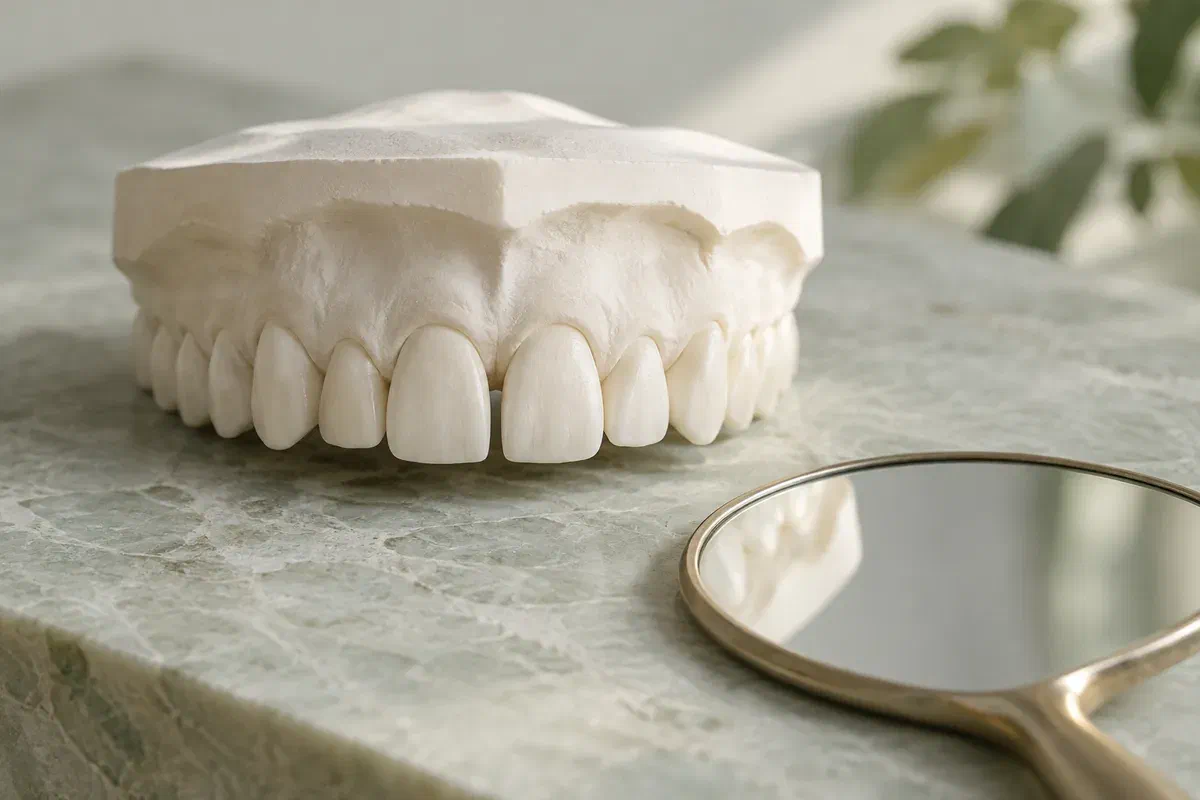
Illustrative upper dental cast with a small space between the central incisors beside a mirror
Where to begin

Understand the gap before you commit to maintaining a change.

Let us know which spaces you notice, how they have changed, and whether you have symptoms. A gap's history helps predict how a result might behave over time.

A gap that has been steady for decades

A stable space gives you time to think. Consider whether full closure, a slimmer gap, or more even spacing would suit you, and how each would change tooth width. Ask which version would be easiest to maintain over the years.

A space that is opening up

Movement that is happening now needs explaining before anything is planned. Mention bleeding, a tooth that feels loose, soreness, or shifting elsewhere. The supporting tissues should be assessed so a cosmetic change is not built on an unstable base.

Room left by a lost or narrow tooth

A missing or small tooth can be part of the picture. Planning might include replacing or restoring it as well as moving other teeth. Ask how each part of the plan would be maintained and reviewed in the years ahead.

Spaces often come and go in children's mouths during development. Ask whether a young person's gap simply needs monitoring and at what point another check would be useful.

The value of the long view

A result you can realistically keep

A good consultation sets the result against the effort needed to hold it. Orthodontic closure leaves tooth shape alone but depends on retainers; bonding avoids movement but adds material that has a lifespan. Asking about both sides helps you pick an approach whose upkeep fits the way you live.

Long-term planning also means thinking about the rest of the arch. Spacing that relates to a missing tooth, crowding, or the bite may change again if only the visible gap is addressed. Seeing the bigger picture makes it more likely the result stays settled.

A clear explanation of what is behind the gap

Find out whether the space appears stable or connected to a condition that needs care, and which conclusions need further records. That shapes how durable any cosmetic change is likely to be.

A comparison of maintenance, option by option

Ask what each route requires afterwards: how long a retainer would be worn, how often bonding is reviewed, and what typically leads to repair. Moving space toward a planned restoration may change those needs too.

Transparency about reviews and fees

Ask what routine reviews involve, how often they happen, and which fees are included in the plan. Knowing this at the outset avoids surprises after the gap has been changed.

Planning with the future in mind

Today's plan, next decade's upkeep

Your appointment sequence depends on what is found and the route you prefer. Ask what the first visit will include and whether further records or an orthodontic opinion could be helpful.

  1. Talk through the gap's history

    Explain when the space first appeared and whether it has changed. Mention earlier orthodontics, bonding, extractions, and how long you wore any retainer. Say what you value about your current smile so the plan protects it.

  2. Examine stability, proportions, and the bite

    The clinician assesses the teeth, gums, positions, and contacts. Photographs, models, or X-rays may be recommended. Ask whether anything should be treated first and how it affects both timing and long-term stability.

  3. Compare outcomes and their upkeep

    Each suitable option is set out with preparation, risks, maintenance, fees, and limits. Ask how width and position would change and what keeping the result involves. If another clinician is involved, clarify who is responsible for each stage.

  4. Agree a continuing-care routine

    During and after treatment, review comfort, appearance, cleaning, and contacts. Settle a retention schedule if teeth moved and a review plan for any bonding. If a space returns, ask for reassessment before choosing another treatment.

Year after year

Steady habits keep a change in place.

The routine you follow depends on which treatment you had: movement, bonding, or keeping an eye on the gap. Ask for instructions you can keep up over the long haul.

Make cleaning between teeth a fixture

New contacts may need a different flossing technique or tool. Ask what suits them. Mention food catching, floss tearing, or a contact that feels odd. Small problems handled early are easier to manage than ones left for years.

Plan for retainer wear and replacement

Retainers wear out, so ask how long yours should last and how to tell when it needs replacing. If it is lost or stops fitting, contact the provider soon. Avoid bands or other home methods to hold teeth together.

Schedule reviews for bonding

Composite can chip, wear, or discolour over time. Ask how often it should be checked and what signs mean an earlier visit. If spacing returns, the cause should be reconsidered rather than simply adding more material.

Patient information: British Orthodontic Society — maintaining positions with retainers

Options and what they ask of you

Every route comes with its own maintenance.

Ask how each approach changes tooth position and shape, and what it requires in the years that follow. A gap alone is not a reason to need veneers or orthodontics.

When repositioning suits the cause

Moving teeth closer

Orthodontics may close or rebalance spacing, or prepare room for a replacement tooth. Discuss the bite, the appliance, and retention, which often continues long after active treatment. Consider the full arch so one closed gap does not leave others unresolved.

When adding material suits the teeth

Widening teeth with composite

Bonding may be suitable for some gaps and tooth shapes. Ask about the final width, cleaning access, preparation, and how often the material may need repair. If veneers are raised, ask why broader coverage is needed and what it would mean for future maintenance.

When oral health or preference comes first

Health care first, or keep the gap

Treating the gums, or deciding what to do about a lost tooth, can take priority over closure. Choosing to keep healthy spacing avoids ongoing cosmetic upkeep. Ask what monitoring is advised and what would prompt another visit.

Acton questions about the long run

Retainers, repairs, and lasting results

Questions about spacing often turn to what happens after treatment. No decision is needed before your first assessment.

(905) 876-4488
Will I have to wear a retainer for life after closing a gap?
Long-term retention is commonly recommended after tooth movement, though the schedule varies. Ask what is advised for your situation and how wear may change over time.
How long does bonding on a gap usually last?
It varies with the size of the addition, your bite, and habits. Ask what affects longevity, which signs of wear to watch for, and how often it should be reviewed.
What happens if my gap reopens years after treatment?
Describe the treatment you had and when the space returned. A reassessment can show whether movement, the restoration, or another factor is involved and whether retention, repair, or monitoring is appropriate.
Is keeping my gap less work than closing it?
A healthy, stable gap needs routine care like any other teeth. Closing it adds retention or restoration upkeep. Ask how the long-term commitments compare for your situation.
Can I combine reviews with my regular checkups?
Often, yes. Ask whether retainer checks or bonding reviews can be scheduled alongside routine visits, which can reduce extra trips.
Does a gap that has slowly widened over the years need checking?
Yes. Gradual widening may reflect changes in the teeth or supporting tissues. Mention any bleeding or looseness so the cause can be assessed before cosmetic options are considered.
Gapped teeth care for Acton

Ask about the years after, not only the result.

Book a consultation at our Bronte Street practice to discuss the gap, your goals, and the maintenance you are prepared for. We will explain the findings and compare movement, bonding, or monitoring options with their ongoing care.

The cause of a gap, your oral health, which options suit you, timing, and fees require individual assessment. Leaving a healthy gap untouched is a valid decision.

Visit Milton Dental Clinic
Unit 1, 342 Bronte St. S, Milton, ON L9T 5B7
Get directions Clinic hours
Monday–Thursday
11am–7pm
Friday–Sunday
By appointment only

Areas we serve

  • Milton
  • Oakville
  • Mississauga
  • Georgetown
  • Halton Hills
  • Acton
  • Campbellville
  • Brampton
  • Burlington
  • Puslinch
  • Rockwood
  • Erin
  • Caledon
  • Etobicoke
  • Old Milton
  • Bronte Meadows
  • Timberlea
  • Dorset Park
  • Dempsey
  • Clarke
  • Beaty
  • Coates
  • Harrison
  • Scott
  • Willmott
  • Ford
  • Bowes
  • Cobden
  • Walker
  • Mountain View
  • Milton Heights
  • Hawthorne Village
  • Valley View
  • Fallingbrook
  • Nassagaweya
  • Trafalgar
  • Esquesing
  • Nelson
  • Brookville
  • Moffat
  • Glen Williams
  • Norval
  • Limehouse
  • Stewarttown
  • Ashgrove
  • Hornby
  • Silver Creek
  • Speyside
  • Scotch Block
  • North Oakville
  • River Oaks
  • Glen Abbey
  • West Oak Trails
  • Palermo
  • Bronte Creek
  • College Park
  • Joshua Creek
  • Uptown Core
  • Preserve
  • Iroquois Ridge
  • Lisgar
  • Meadowvale
  • Meadowvale Village
  • Churchill Meadows
  • Erin Mills
  • Central Erin Mills
  • Streetsville
  • East Credit
  • Creditview
  • Heartland
  • Sheridan
  • Mount Pleasant
  • Credit Valley
  • Huttonville
  • Churchville
  • Springbrook
  • Northwest Brampton
  • Bram West
  • Fletcher's Meadow
  • Fletcher's Creek South
  • Alton Village
  • Orchard
  • Millcroft
  • Headon Forest
  • Tansley
  • Brant Hills
  • Tyandaga
  • Kilbride
  • Lowville
  • Aberfoyle
  • Morriston
  • Arkell
  • Hillsburgh
  • Freelton
  • Carlisle
  • Waterdown
  • Flamborough
  • Mountsberg

How can we help?

Milton Dental Clinic

Have a question about your smile? Choose the option that works best for you.

For urgent dental concerns, please call.
Messages are reviewed during clinic hours.