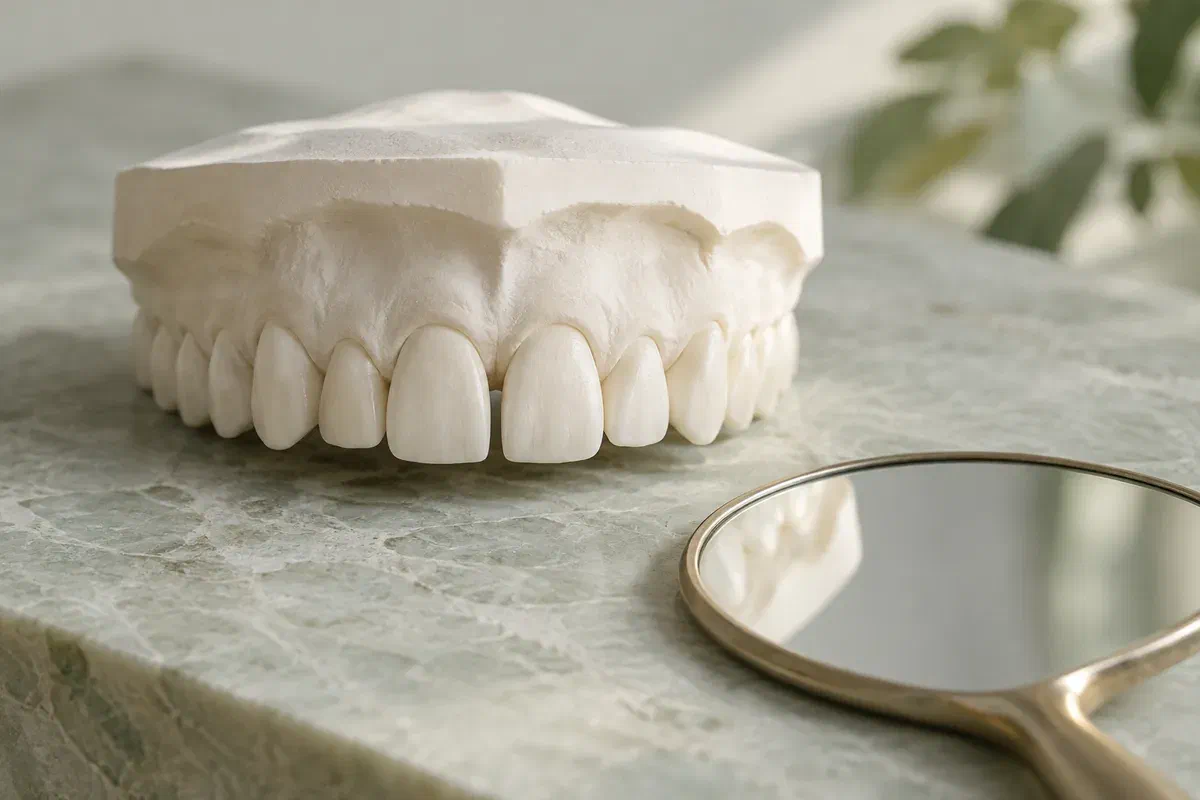
Spaces between teeth show up in small, practical ways: a strand of something green after lunch, a toothpick habit, floss that catches on one edge. Those everyday irritations are a perfectly good reason to ask about a gap, and they deserve the same careful look as concerns about how a smile photographs.
Clinically, a gap is called a diastema, and many are harmless. The first job is to find out whether yours is stable and healthy or tied to a change in the gums, the bite, or a missing tooth. Then the options can be compared: moving teeth, adding material, or both, each with consequences for width, contacts, and how easy the area is to keep clean.
From Georgetown, a first visit is a chance to describe what actually bothers you, day to day. We will explain the examination findings and talk through options that would address that, and we will be clear when the best choice is simply a better cleaning routine around a healthy space.