What the overlap looks like to you
Describe what seems deep or uneven and ask how it will be measured. Photos are useful for showing your concern but cannot decide what is needed. The overlap is judged within your whole bite and your goals.


Not sure what actually happens at an overbite appointment? Here is a plain walk-through. From Erin, Hillsburgh, and nearby, the first visit looks at how far your front teeth overlap, what they touch, and whether anything beyond keeping an eye on it is needed.
A lot of people put off asking about their bite simply because they do not know what the appointment involves. It is less mysterious than it sounds. You talk, the clinician looks at how your upper and lower front teeth meet, and together you work out whether the overlap is something to treat, something to watch, or something that is simply normal for you.
That last option is common. Some vertical overlap is a natural feature of a healthy bite. It becomes a reason for treatment when it is excessive or tied to findings like teeth pressing on gum or palate, unusual wear, or complications for cosmetic plans. Front teeth angled forward toward the lip are a different matter, called overjet, and are checked separately.
Coming from Erin, a little preparation goes a long way. Note what you have noticed, gather any old dental records, and keep a short list of questions on your phone. We will talk you through each part of the exam as it happens, point out the findings that carry weight, and say plainly if an orthodontist should see you. Nothing is proposed without a reason you understand.
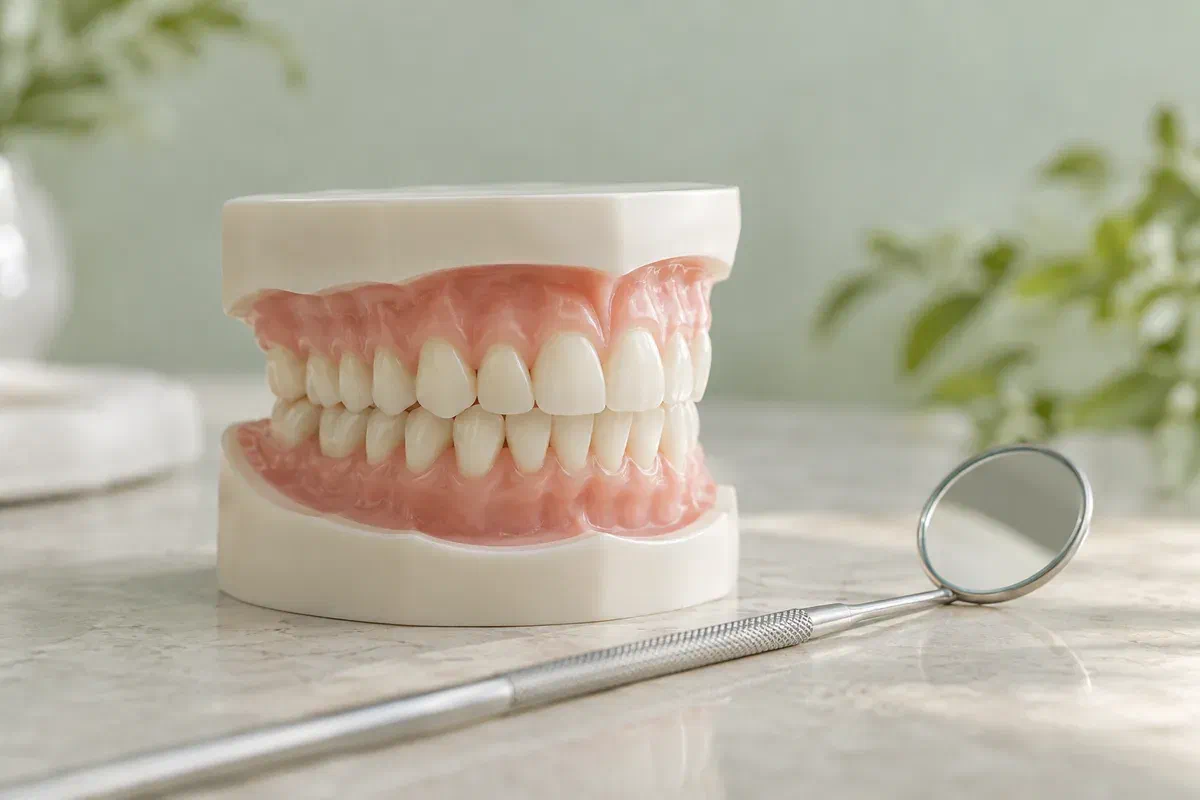
How your teeth look is one part of the exam. Notes on comfort, wear, and recent changes help the clinician make the most of your appointment.
Describe what seems deep or uneven and ask how it will be measured. Photos are useful for showing your concern but cannot decide what is needed. The overlap is judged within your whole bite and your goals.
If part of your gum or palate feels sore when you bite, note where and how often. The clinician can tell you whether deep overlap is the likely cause and which problem to deal with before the other. Soft tissue concerns deserve assessment even when the smile looks straight.
List worn edges, earlier fillings, crowns, or bonding, and any thoughts about veneers. Ask how your bite would affect them. A restoration and the contacts it experiences should be planned together.
Clicking, aching jaws, and headaches deserve separate attention. An overbite may not explain them, and changing it may not provide relief.
After the visit, you should understand how your teeth come together and whether that matters for your health or plans. The clinician should say whether they suggest monitoring or treatment, and if treatment, what it would set out to change. A term like deep bite needs that context to be meaningful.
The appointment also helps tease apart appearance and function. Front teeth that look more even and a reduction in vertical overlap can be separate outcomes. Knowing which one any plan would aim for lets you think it over at home with realistic expectations.
Ask which contacts between teeth or soft tissue matter and how the recommendation responds. Find out whether any existing damage needs separate care. You should be able to link the advice to something specific the clinician found.
For children and teens, growth and new teeth can affect when to act. Grown-ups bring other variables, from gum health to the way the jaws line up to fillings placed decades ago. Expect advice built around those details rather than a standard answer.
If you have repairs or cosmetic work in mind, mention it now. Some of that work may be better done once the bite is understood, and some may not need to wait at all. Getting the order right helps avoid designing restorations without knowing their working conditions.
Depending on findings, next steps might be monitoring, orthodontic records, or a specialist opinion. Ask at the start what today will cover and what might need another visit.
You describe the overlap, any sore areas, and changes in eating or appearance. Previous orthodontics, injuries, wear, and restorations are discussed, along with your goals and any dental treatment already planned or underway.
Your upper and lower teeth are examined together, with a check of oral health. Photos, scans, or X-rays might be offered if they would clarify the pattern. Ask which findings relate to overbite, which to overjet, and whether other bite features are relevant.
The clinician outlines possible movements, appliance types, risks, responsibilities, and alternatives such as observation. Ask about the scope of care and whether a specialist should be involved. Fees and stages are confirmed, with timelines given as estimates.
If treatment proceeds, the treating clinician reviews progress and addresses any problems. Report appliance issues or new discomfort. When movement is finished, you will go over how the teeth now meet, whether any repairs can go ahead, and how to use your retainer.
What falls to you at home changes with the appliance and the phase of care. You can ask to be shown each step and to take written instructions home with you.
Follow the wear times and adjustments given to you. If elastics or extra components are part of the plan, check where they go and why. Altering them to speed things up is not advised; ask what to do after missed wear instead.
You will be shown how to clean around the appliance and which areas need extra care. Keep up routine dental visits throughout. Let the team know about soreness, bleeding, or cleaning troubles so they can be checked early.
Find out how retainers are worn and reviewed, and whether any further dental work is planned. A retainer that pinches, rocks, or will not click in, or a bite that starts to feel off, is worth a call. Even after treatment, a maintenance routine continues.
Patient information: British Orthodontic Society — retention after active treatment
Words like overlap, deep bite, and overjet can be confusing at first. Ask the clinician to explain each one using your own teeth as the example.
Book at our Bronte Street practice for an unhurried look at your front-tooth overlap, the contacts between your teeth and gums, and the changes you have noticed. You will hear what we found in plain terms, and whether to watch it, see an orthodontist, or plan other dental care first.
Whether treatment is advisable, along with appliance suitability, timing, referral, and fees, is decided after examination. No method or outcome is guaranteed.
