Front teeth that hide the lower ones
Describe the depth you see and ask how it will be measured. Pictures are welcome for context but cannot tell whether teeth or jaws are involved. The clinician interprets the overlap within your overall bite.


Worried that a deep bite means jaw surgery? Most overbite conversations never get there. If you are coming from Rockwood, an assessment explains how your front teeth overlap, whether the issue is dental or skeletal, and which level of care, from watching to referral, fits.
Search for overbite and you will soon find dramatic before-and-after stories involving jaw surgery. That can make an ordinary dental question feel frightening. In practice, the first job is far more modest: deciding whether the vertical overlap of your upper front teeth over the lower ones is beyond the normal range, and whether it is causing any problem.
If correction is worth discussing, the next question is where the overlap comes from. Sometimes it is mostly about where the teeth sit. Sometimes the relationship between the jaws contributes. That distinction shapes the kind of care involved. Upper teeth that jut forward toward the lip are a separate horizontal finding, overjet, which may be present too.
Tell us what worries you, what you have read, and what you have noticed. Travelling from Rockwood, you can expect a calm explanation of what the exam involves, which findings carry weight, and whether an orthodontist should look at your bite. The reasons for any suggested change come before any talk of appliances or specialists.
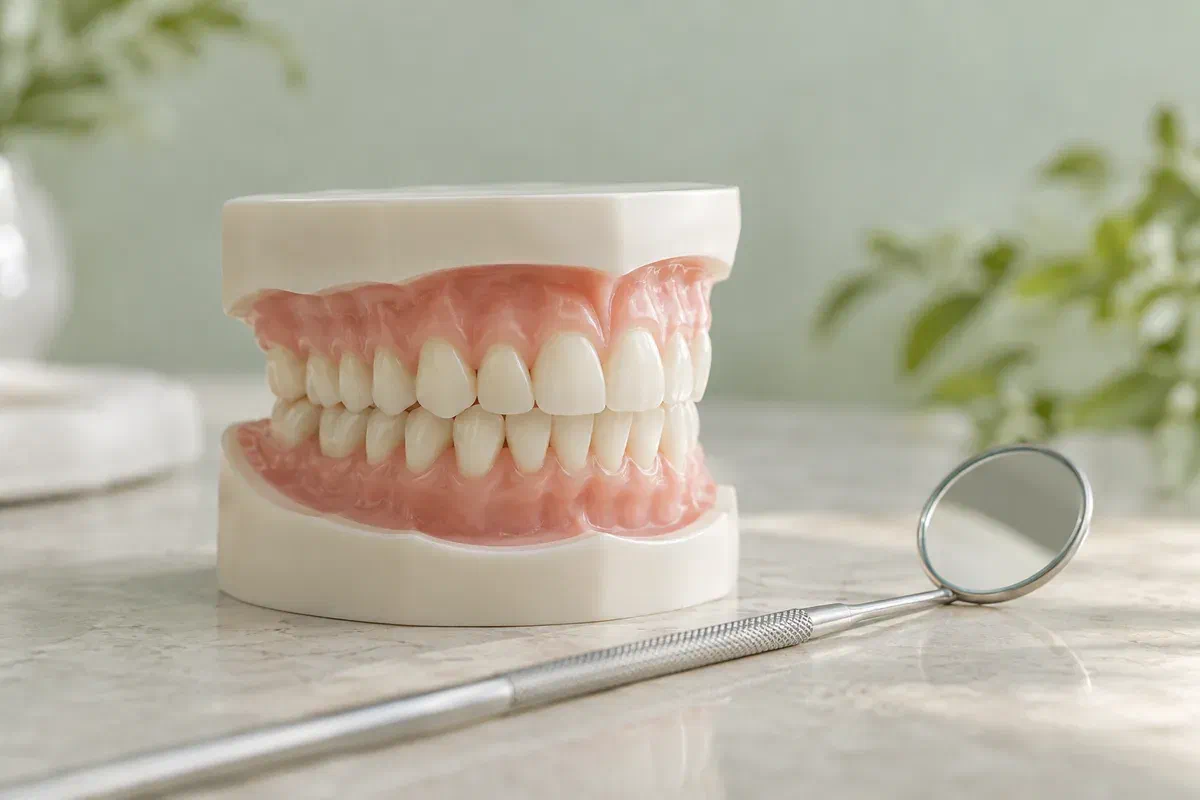
Appearance gives the clinician somewhere to start. Discomfort, wear, family history, and any changes help indicate how simple or complex the relationship might be.
Describe the depth you see and ask how it will be measured. Pictures are welcome for context but cannot tell whether teeth or jaws are involved. The clinician interprets the overlap within your overall bite.
If you feel the lower teeth pressing into the gum behind your upper teeth, or vice versa, mention it. Ask whether this contact changes the urgency or scope of care. It deserves a proper look regardless of how straight things appear.
Let the clinician know about worn or chipped edges, earlier crowns or bonding, and any veneer plans. Ask whether bite findings would alter those decisions. Restorations should be planned around the forces they will meet.
Jaw discomfort, headaches, and clicking warrant a separate evaluation. They are not always linked to an overbite, and treating the overlap is no guarantee they will settle.
The real value of an assessment is perspective. You learn how your teeth meet, whether the overlap matters, and whether the clinician suggests monitoring or treatment. If something is recommended, ask what it is meant to change. Knowing the scope early can ease a lot of unnecessary worry.
It also helps you separate a cosmetic wish from a structural issue. A smile that looks more even and a correction of the vertical relationship can be different targets, and only some cases involve the jaws at all. Clarity about the goal keeps your expectations, and the plan, in proportion.
Ask which contacts between teeth or tissue matter and how the plan responds to them. Check whether any damage needs its own treatment. The advice should connect to observed findings, not just a label or a measurement.
In young people, growth and erupting teeth can influence the relationship and the timing of care. In adults, the jaws have finished growing, which changes the options. Ask which applies and how it shapes your plan.
If you are planning cosmetic or repair work, ask whether it should wait for a bite assessment. Clarify which decisions depend on it. Good sequencing helps avoid restorations designed without knowledge of the bite.
The outcome might be monitoring, orthodontic records, or referral for further planning. Ask what this first visit covers and how you will be told what comes next.
Describe the overlap, any soreness, and changes in eating or appearance. Mention earlier orthodontics, injuries, wear, restorations, and whether relatives have had similar bites. Share your goals and any treatment already in progress.
The clinician examines how the upper and lower teeth meet and checks oral health. Records, possibly including X-rays, may help show whether the pattern is mainly dental. Ask which findings concern overbite, which concern overjet, and what else matters.
Discuss possible movements, appliances, risks, responsibilities, and alternatives. Ask whether the plan would be limited or comprehensive, and whether an orthodontist or another specialist should be consulted. Confirm stages and costs; any timeline is an estimate.
Your treating clinician monitors progress and deals with any difficulties. Report discomfort or appliance problems. Toward the end, discuss the final bite, restorative follow-up, and the retainer plan designed to help maintain the result.
Responsibilities vary with the appliance and the stage of treatment. Ask for a demonstration and written notes, especially for things you will manage on your own.
Keep to the wear times and adjustments you were given. If elastics or other components are included, check where they sit and what they do. Do not modify anything to hurry results, and find out in advance how to handle a missed day.
Brackets and trays create new hiding places for plaque, so ask to be shown which ones to watch. Regular dental appointments continue alongside orthodontic care. Speak up about soreness, bleeding, or cleaning difficulties so they can be looked at early.
Confirm how retainers will be worn and checked, and whether any cosmetic or restorative work is still to come. Mention it if your bite later feels different or a retainer stops fitting. Completion should bring a clear maintenance plan.
Patient information: British Orthodontic Society — retention after active treatment
Terms like deep bite, skeletal, and overjet can sound alarming. Ask the clinician to explain what they see and what any change would involve.
Book a visit at our Bronte Street practice to have your front-tooth overlap, contacts, and jaw relationship looked at. Once that is done, we can tell you plainly if watching, an orthodontic referral, or coordinated dental care is the appropriate next step.
The need for care, its scope, appliance choice, timing, referral, and fees are set after examination. Outcomes and methods are not guaranteed.
