

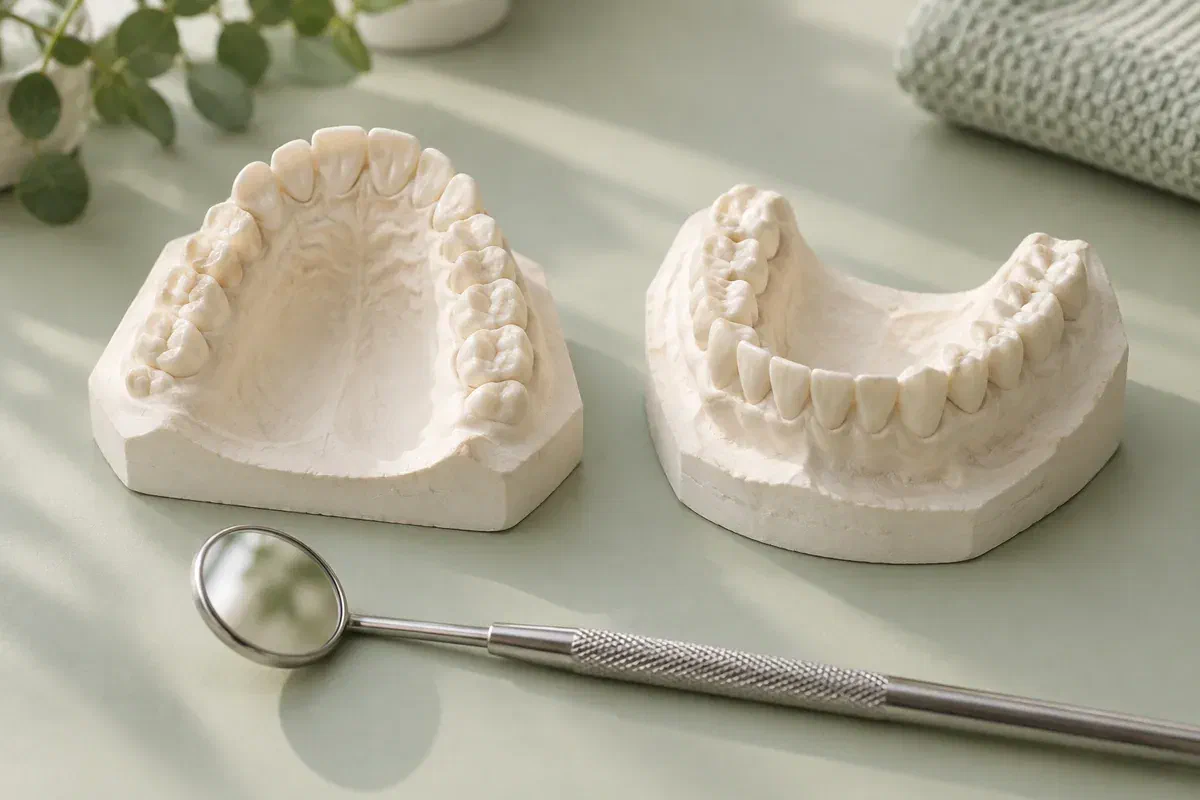
Illustrative patient and clinician reviewing upper and lower dental models during a bite discussion
Cosmetic Dentistry

Treatment for Underbite

When the lower front teeth sit ahead of the upper teeth, the cause matters as much as the appearance. Explore treatment for underbite in Milton to discuss tooth positions, jaw relationships, growth, and the assessment needed to compare appropriate care.

A closer look at underbite

Understand the teeth and jaws behind the bite you see.

An underbite generally describes lower front teeth that sit in front of the upper front teeth when the mouth closes. The relationship may involve tooth positions, the jaws, or both. Those differences influence what treatment could achieve and whether further specialist assessment is needed.

It is useful to separate the appearance of the front teeth from the wider bite. The way the back teeth meet, any shift on closing, oral health, and growth can all affect planning. A photograph or a family resemblance cannot establish the right treatment by itself.

At Milton Dental Clinic, bring your questions about chewing, appearance, earlier treatment, or a child's developing bite. We can discuss the assessment needed and explain appropriate next steps. A first conversation does not commit you to an appliance or imply that surgery is inevitable.

Discuss an underbite concern
Illustrative upper and lower dental study casts arranged for a bite-planning discussion
What you notice when the teeth meet

Describe the practical concern as well as the visible relationship.

An assessment is more useful when it includes your experience of the bite. Explain whether the concern has always been present, is changing, or became noticeable during development.

Difficulty bringing the front teeth together

Tell the clinician what happens when biting into food and whether particular contacts feel awkward. Ask which findings relate to tooth position and which may involve the jaws. The aim is to understand the mechanics of your bite before selecting a correction.

A child's lower teeth appearing ahead of the upper teeth

Raise the concern at a dental visit and ask whether an orthodontic opinion is appropriate. Development and growth influence planning, so timing should be explained individually. An early assessment can clarify the situation even when immediate treatment is not the recommendation.

Wear, discomfort, or a change after previous care

Mention worn edges, damaged restorations, earlier appliances, or changes in how the mouth closes. Those details may affect the plan or require separate care. Symptoms should be assessed without assuming that every discomfort is caused by the underbite.

The term underbite does not identify one universal jaw problem. Ask the clinician to explain the dental and skeletal findings and whether the visible front-tooth relationship is part of a broader pattern.

What a thorough assessment helps establish

A clear distinction between the change you want and the change a method can provide.

Different approaches can have different aims. Some focus on tooth positions, while others involve a wider jaw relationship. Ask what the proposed plan would change and which features would remain. That makes the comparison more meaningful than choosing only from appliance appearance or estimated treatment time.

The discussion should also make the responsibilities and uncertainty visible. Growth, treatment response, oral health, and practical participation may influence the plan. Understanding those factors helps you make a considered decision and recognize why further records or a specialist opinion may be worthwhile.

An explanation of the underlying relationship

Ask the clinician to show the findings and describe the main contributors in ordinary language. Clarify whether the recommendation is based on the teeth, the jaws, a closing shift, or several factors. A clear diagnosis gives the treatment conversation a useful foundation.

A realistic comparison of treatment scope

Discuss the limits of a tooth-focused approach and whether a more comprehensive option would achieve a different goal. Ask which compromises are acceptable and why. You should not have to infer the difference between plans from their price or their appliance names.

A coordinated route through specialist care

If referral is advised, ask what question the specialist will help answer and what happens afterward. Clarify who remains responsible for routine dental care and any repairs. Knowing the purpose of each appointment can make a complex planning process easier to follow.

Planning underbite care

Build the diagnosis before deciding on the treatment sequence.

The appropriate sequence depends on the findings, development, and treatment goals. Ask which decisions can be made at the first visit and which need more information.

  1. Review the concern, development, and treatment history

    Explain the bite relationship you notice, its history, and any functional or appearance goals. Mention previous orthodontics, jaw injury, dental work, and relevant family history. For a child, bring questions about growth and what signs should be monitored over time.

  2. Assess the arches, contacts, and jaw relationship

    The clinician examines the teeth and oral tissues and considers the records needed to understand the bite. Ask what each record contributes. The assessment should identify whether another dental issue requires attention before orthodontic or other treatment is planned.

  3. Compare the aims and limits of suitable approaches

    Review the options, responsibilities, risks, likely stages, and fees. Ask whether specialist input is needed and whether the plan changes tooth positions alone or includes a wider jaw correction. Take time to clarify the implications before agreeing to irreversible steps.

  4. Coordinate treatment, review, and ongoing maintenance

    Once a plan is chosen, confirm which provider manages each stage and how progress will be communicated. Follow the individual appliance or treatment instructions and attend reviews. Before completion, discuss retention, remaining dental needs, and the arrangements for monitoring future changes.

Following a plan for underbite

Keep the care instructions specific to your stage of treatment.

An orthodontic appliance, a growth-related approach, and a surgical plan have different requirements. Follow the instructions from the provider responsible for the treatment actually being carried out.

Clarify the routine before leaving the appointment

Ask about wear, cleaning, any prescribed adjustments, and the next review. If you are helping a child, confirm which tasks need caregiver support. Report difficulties early rather than changing a schedule or appliance setting without advice.

Keep routine dental needs coordinated

Continue recommended preventive and restorative care during the wider treatment process. Tell each provider about the other care underway and any new dental work being considered. Clarify who should assess a broken restoration, gum concern, or tooth symptom between specialist visits.

Understand the plan after active treatment

Discuss retainers and review arrangements where tooth movement has occurred. If surgery forms part of the plan, follow the surgeon's specific recovery instructions rather than general orthodontic advice. Ask how the final bite and ongoing dental health will be monitored.

Choosing an underbite treatment route

The right comparison is between treatment aims, not just appliances.

Ask which findings each option addresses and what it cannot change. Growth status, the severity and nature of the relationship, oral health, and your priorities influence the discussion.

When the intended improvement can be achieved dentally

Orthodontic care for a suitable tooth-position problem

Braces, suitable aligners, or other orthodontic approaches may be considered after assessment. Ask what the plan would achieve without changing the underlying jaw relationship and whether any compromise is involved. Appliance choice should follow those goals.

When development affects treatment opportunities

An assessment of growth-related options

Selected growing patients may be considered for an early approach after specialist evaluation. Ask what that stage is intended to accomplish and what later care may still be needed. Early treatment should not be presented as a guarantee that future growth will follow a fixed pattern.

When a significant skeletal relationship warrants that discussion

Combined orthodontic and jaw-surgery planning

Some cases need a coordinated orthodontic and surgical opinion to compare possible correction with non-surgical limits. This is a separate, detailed decision, not an automatic conclusion from the word underbite. Ask about the sequence, recovery, risks, and alternatives with the relevant specialists.

Patient information: American Association of Orthodontists — coordinated surgical orthodontic care

Underbite assessment questions

Ask which part of the relationship needs attention.

A useful consultation makes the distinction between teeth, jaws, and development understandable. It also gives you room to discuss the level of treatment you are willing to consider.

(905) 876-4488
Does an underbite always mean my lower jaw is too large?
No. The relationship can involve the positions of the teeth, the upper or lower jaw, or a combination. Ask which findings apply to you. The visible lower-front-tooth position alone does not establish one particular cause or treatment.
Can an adult underbite be discussed without immediately committing to surgery?
Yes. An assessment can explain the diagnosis, suitable options, and their limits before any decision. If a surgical opinion is recommended, ask what it would clarify. Hearing that opinion does not itself commit you to a procedure.
What does orthodontic camouflage mean in an underbite discussion?
It generally means changing tooth positions to improve the bite or appearance while the underlying jaw relationship remains. Ask whether that approach is suitable, what compromises it includes, and how its aims differ from a plan that addresses the jaws.
Can early underbite care guarantee my child will not need treatment later?
No. Development and growth remain relevant after an early phase. Ask what the immediate goal is, what uncertainty remains, and how progress will be monitored. Later orthodontic or other care may still be considered as the teeth and jaws develop.
Why might underbite planning involve both an orthodontist and an oral surgeon?
When the jaw relationship is a major part of the problem, combined expertise may be needed to compare options and coordinate stages. Ask what each specialist is assessing and whether a surgical route is recommended or simply being explored before a decision.
If I decide against active underbite treatment, what should the follow-up include?
Discuss the findings, any separate dental care needed, and what changes should prompt review. Ask about monitoring tooth wear, contacts, and symptoms relevant to your case. Choosing not to proceed should still leave you with a clear routine-care plan.
Treatment for underbite in Milton

Start with the diagnosis and make the next decision with clear information.

Arrange a bite assessment at our Bronte Street practice to discuss lower teeth that sit ahead of the upper teeth, chewing concerns, or a developing relationship in a child. We can explain the assessment and referral steps appropriate to the findings.

Treatment need, scope, developmental timing, specialist involvement, and fees require assessment. No single appliance or avoidance of future treatment can be guaranteed.

Visit Milton Dental Clinic
Unit 1, 342 Bronte St. S, Milton, ON L9T 5B7
Get directions Clinic hours
Monday–Thursday
11am–7pm
Friday–Sunday
By appointment only

How can we help?

Milton Dental Clinic

Have a question about your smile? Choose the option that works best for you.

For urgent dental concerns, please call.
Messages are reviewed during clinic hours.