

Illustrative patient and clinician reviewing upper and lower dental models during a bite discussion
Cosmetic Dentistry

Treatment for Underbite in Milton

Lower front teeth that close in front of the upper ones can come from tooth position, jaw position, or both. In Milton, our team can help you find out which applies, what that means for treatment choices, and when a specialist opinion is worth having.

Teeth, jaws, or both

The first question is where the forward bite comes from.

Most people describe an underbite by what they see: the lower front teeth resting outside the upper ones when the mouth is closed. Underneath that picture, the cause can sit in the tooth positions, in how the upper and lower jaws relate, or in a mix of the two. That distinction shapes everything that follows.

A tooth-based problem and a jaw-based problem can look surprisingly similar from the front. How the back teeth fit together, whether the jaw slides forward as you close, your gum and tooth health, and, for younger people, remaining growth all feed into planning. A mirror or a family trait is not enough to decide.

Here in Milton, bring any part of the story to a first visit, from chewing trouble to a child's changing bite or braces you had years ago. We explain the assessment and a sensible next step. That conversation commits you to nothing, and surgery is never a foregone conclusion.

Ask about your bite
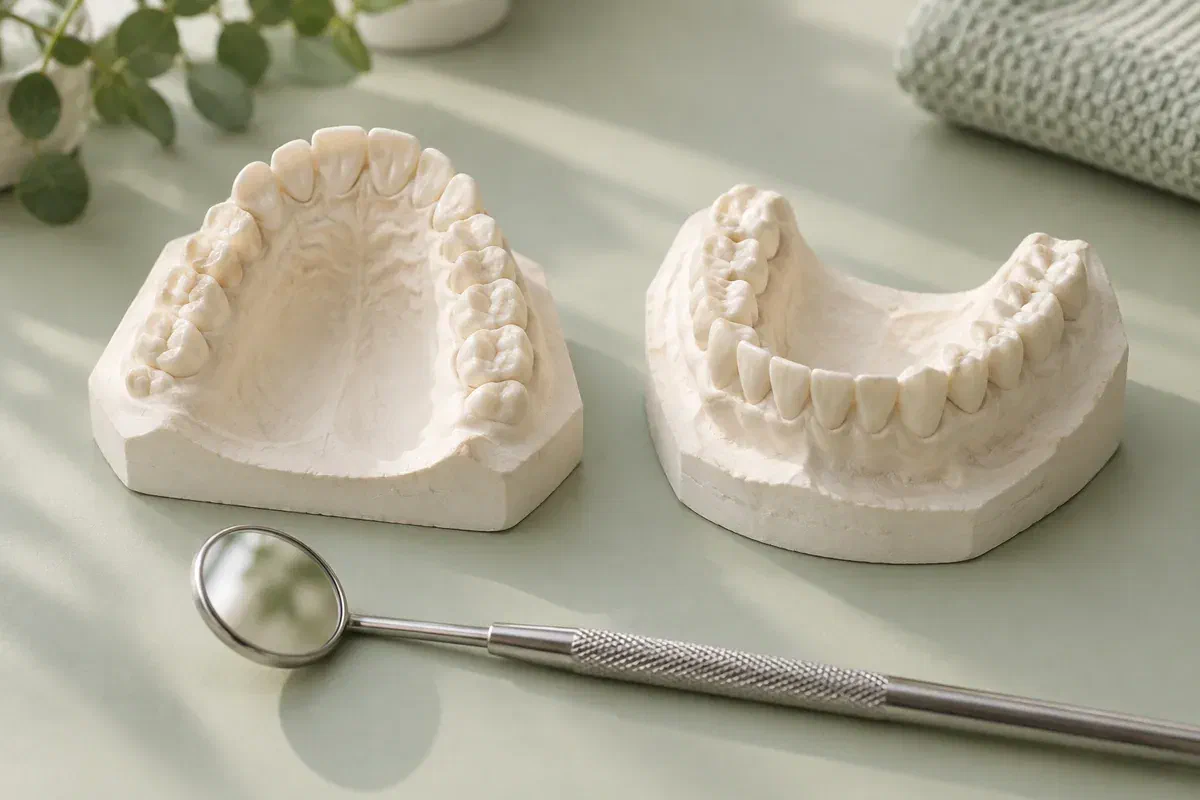
Illustrative upper and lower dental study casts arranged for a bite-planning discussion
Where the bite gets in the way

Tell us how it affects your day, not only how it looks.

Your own account of the bite adds a great deal to the examination. It helps to say whether you have always noticed it, whether it seems to be shifting, or whether it appeared as a child grew.

Front teeth that won’t meet to bite through food

Describe what happens with a sandwich or an apple and which contacts feel off. The clinician can then separate findings linked to tooth position from those that may involve the jaws. Understanding how your bite actually works comes before choosing any way to change it.

Lower teeth sitting ahead in a growing child

Mention it at a regular checkup and ask whether an orthodontic opinion makes sense. Because growth affects the plan, the right timing differs from one child to the next. Looking early can bring clarity even if the advice is simply to wait and watch for now.

Worn edges, sore spots, or changes after earlier work

Point out flattened or chipped edges, fillings that keep breaking, past appliances, or a sense that your teeth now close differently. These can change the plan or need their own treatment. Not every ache traces back to the underbite, so each symptom deserves its own look.

Underbite is a broad description rather than a single diagnosis. Ask for the dental and skeletal findings to be explained, and whether the front-tooth relationship belongs to a wider bite pattern.

Why the assessment is worth the time

Knowing what each approach can and cannot change

Treatment routes are built around different goals. Some aim to move teeth; others address the way the jaws meet. Asking what a plan would alter, and what it would leave alone, is a better basis for comparison than an appliance’s look or a guess at its timeline.

A good discussion also shows who does what and where the uncertainty lies. Growth, how teeth respond, oral health, and keeping up with appointments can all influence the result. Seeing those factors helps you decide calmly and understand why extra records or a specialist view may help.

A plain explanation of what is driving the bite

You should be shown the findings and told, in everyday terms, what contributes most. Check whether the recommendation rests on the teeth, the jaws, a forward slide on closing, or several of these together. A clear diagnosis is the footing every later choice stands on.

An honest look at how far each option reaches

Discuss the limits of moving teeth alone and whether a broader plan would aim for something different. Find out which compromises you could live with. The difference between plans should be explained directly, not guessed from fees or brand names.

A clear path if specialists become involved

When a referral is suggested, find out what question the specialist is being asked and what happens after their opinion. Confirm who keeps looking after your checkups and repairs. Knowing the purpose of each appointment makes a longer planning process much easier to follow.

How planning unfolds in Milton

Diagnosis first, sequence second

The order of care depends on what the examination finds, on growth, and on your goals. Some decisions can be made on day one; others wait for more information, and it helps to know which is which.

  1. Talk through the bite, its history, and your goals

    Describe what you notice, how long it has been there, and whether chewing or appearance matters most. Share earlier orthodontics, any jaw injury, existing dental work, and relevant family history. For a child, raise your questions about growth and which changes to keep an eye on.

  2. Examine the teeth, contacts, and jaw relationship

    The clinician looks at the teeth, gums, and soft tissues and decides which records would explain the bite. You can ask what each one adds. This stage also flags any other dental problem that should be dealt with before orthodontic or other treatment is planned.

  3. Weigh the aims and limits of suitable routes

    Go over the options along with responsibilities, risks, probable stages, and fees. Find out whether specialist input is needed and whether a plan moves teeth only or includes a wider jaw correction. Give yourself time with the implications before agreeing to anything that cannot be undone.

  4. Agree on roles, reviews, and long-term upkeep

    With a plan chosen, confirm which provider handles each stage and how updates will be shared. Follow your specific appliance or treatment instructions and keep review visits. Near the end, cover retention, any dental needs still outstanding, and how future changes will be watched.

Living with an underbite plan

Your instructions should match the stage you are in.

Orthodontic appliances, approaches that work with growth, and surgical plans each come with their own routine. The instructions to follow are the ones from the provider managing the treatment you are actually having.

Leave each visit knowing the routine

Check what to wear and when, how to clean it, any adjustments you have been asked to make, and the date of the next review. When a child is involved, confirm which jobs need a parent’s help. Speak up early if something isn’t working rather than changing settings on your own.

Keep everyday dental care in step

Carry on with recommended cleanings, checkups, and repairs while the wider treatment continues. Let each provider know about the other care underway and any new work being proposed. Agree on who should see you for a broken filling, a gum problem, or a sore tooth between specialist visits.

Know what happens once active treatment ends

Ask about retainers and follow-up where teeth have been moved. If surgery is part of the plan, the surgeon’s own recovery instructions take priority over general orthodontic advice. Find out how your finished bite and overall dental health will be checked over time.

Comparing routes

Compare what each plan is meant to achieve.

For every option, ask which findings it deals with and which it leaves untouched. Whether growth is still underway, how pronounced the relationship is, your oral health, and your own priorities all shape the conversation.

When the change you want can come from moving teeth

Orthodontics for a tooth-position underbite

Braces, suitable aligners, or other orthodontic methods may be options once the bite has been assessed. Ask what the plan would accomplish while the jaw relationship stays as it is, and whether that involves any trade-off. The appliance should be chosen to fit those goals, not the other way round.

When a young person’s development opens a window

Options that work with growth

Some growing children and teens may be candidates for an early approach after a specialist has evaluated them. Ask what that phase aims to do and what care might still follow. Early treatment cannot promise that growth will go a particular way.

When the skeletal relationship is significant enough to discuss it

Orthodontics combined with jaw surgery

In some cases, orthodontic and surgical specialists together compare what correction could offer against the limits of non-surgical care. That is its own careful decision, not something the word underbite settles automatically. Talk through the order of steps, recovery, risks, and alternatives with those specialists.

Patient information: American Association of Orthodontists — coordinated surgical orthodontic care

Common underbite questions

What people in Milton tend to ask first

A helpful appointment makes the difference between teeth, jaws, and growth easy to follow. It also leaves space to talk about how much treatment you would realistically consider.

(905) 876-4488
How can a dentist tell whether my underbite is dental or skeletal?
By looking at how the teeth sit in each jaw, how the back teeth meet, whether the jaw shifts as you close, and, where needed, records such as images or models. Ask which of those findings point one way or the other in your case.
Is an underbite something cosmetic dentistry can fix with veneers alone?
Covering teeth does not change how the jaws relate, and it may not suit a bite where the front teeth meet edge to edge or in reverse. Ask whether restorative work has any role for you, and what it could and could not change.
Will I need to see an orthodontist for an underbite?
Often an orthodontic opinion is part of the picture, but it depends on the findings. Ask what the referral would answer for you. Your general dentist can still help coordinate checkups and other care while that opinion is being sought.
At what age should a child’s reversed front bite be checked?
There is no single age that suits every child. Mention it as soon as you notice it so a dentist can assess development and advise on timing. Sometimes the recommendation is monitoring rather than treatment straight away, with clear signs to watch for.
Does having surgery recommended mean I have to go ahead with it?
No. A surgical opinion is information to help you compare paths. Ask what the surgeon is assessing and what the non-surgical alternatives would and would not achieve. The decision to proceed, or not, remains yours.
Can I book a Milton bite assessment around school or work hours?
Our Bronte Street practice is open Monday to Thursday from 11am to 7pm, with Friday to Sunday by appointment. Call ahead so we can plan the visit and let you know what to bring, such as earlier orthodontic records.
Book in Milton

Get a clear diagnosis, then decide what comes next.

Come to our Bronte Street practice for a bite assessment if your lower teeth sit ahead of your upper teeth, chewing feels awkward, or a child’s bite seems to be developing that way. We will explain the findings and any referral that may make sense.

Whether treatment is needed, how far it goes, timing during growth, specialist involvement, and fees all depend on assessment. No appliance can guarantee a result or rule out future treatment.

Visit Milton Dental Clinic
Unit 1, 342 Bronte St. S, Milton, ON L9T 5B7
Get directions Clinic hours
Monday–Thursday
11am–7pm
Friday–Sunday
By appointment only

Areas we serve

  • Milton
  • Oakville
  • Mississauga
  • Georgetown
  • Halton Hills
  • Acton
  • Campbellville
  • Brampton
  • Burlington
  • Puslinch
  • Rockwood
  • Erin
  • Caledon
  • Etobicoke
  • Old Milton
  • Bronte Meadows
  • Timberlea
  • Dorset Park
  • Dempsey
  • Clarke
  • Beaty
  • Coates
  • Harrison
  • Scott
  • Willmott
  • Ford
  • Bowes
  • Cobden
  • Walker
  • Mountain View
  • Milton Heights
  • Hawthorne Village
  • Valley View
  • Fallingbrook
  • Nassagaweya
  • Trafalgar
  • Esquesing
  • Nelson
  • Brookville
  • Moffat
  • Glen Williams
  • Norval
  • Limehouse
  • Stewarttown
  • Ashgrove
  • Hornby
  • Silver Creek
  • Speyside
  • Scotch Block
  • North Oakville
  • River Oaks
  • Glen Abbey
  • West Oak Trails
  • Palermo
  • Bronte Creek
  • College Park
  • Joshua Creek
  • Uptown Core
  • Preserve
  • Iroquois Ridge
  • Lisgar
  • Meadowvale
  • Meadowvale Village
  • Churchill Meadows
  • Erin Mills
  • Central Erin Mills
  • Streetsville
  • East Credit
  • Creditview
  • Heartland
  • Sheridan
  • Mount Pleasant
  • Credit Valley
  • Huttonville
  • Churchville
  • Springbrook
  • Northwest Brampton
  • Bram West
  • Fletcher's Meadow
  • Fletcher's Creek South
  • Alton Village
  • Orchard
  • Millcroft
  • Headon Forest
  • Tansley
  • Brant Hills
  • Tyandaga
  • Kilbride
  • Lowville
  • Aberfoyle
  • Morriston
  • Arkell
  • Hillsburgh
  • Freelton
  • Carlisle
  • Waterdown
  • Flamborough
  • Mountsberg

How can we help?

Milton Dental Clinic

Have a question about your smile? Choose the option that works best for you.

For urgent dental concerns, please call.
Messages are reviewed during clinic hours.