

Illustrative clinician and patient discussing a tooth model during an enamel assessment
Cosmetic Dentistry

White Spot Treatment

A white mark on a tooth can have more than one explanation. Explore white spot treatment in Milton with an assessment of the enamel, a discussion of prevention, and suitable options for appearance changes when you want them.

A closer look at white spot treatment

Understand the mark before deciding how to change it.

White spot treatment begins with identifying what the visible patch represents. Some marks relate to mineral loss, while others formed as the enamel developed. A description of the colour alone cannot tell you whether a tooth needs preventive care, appearance treatment, monitoring, or a repair.

A pale area can be frustrating when it stands out in photographs or catches your attention each time you smile. That concern deserves a clear discussion, but making the colour less noticeable and protecting the tooth are separate goals. The treatment plan should explain which goal each recommended step addresses.

At Milton Dental Clinic, tell us when you first noticed the patch, whether it has changed, and whether braces or another treatment preceded it. We can assess the area, discuss its likely cause, and help you compare options without assuming every white spot needs drilling or covering.

Have a white enamel mark assessed
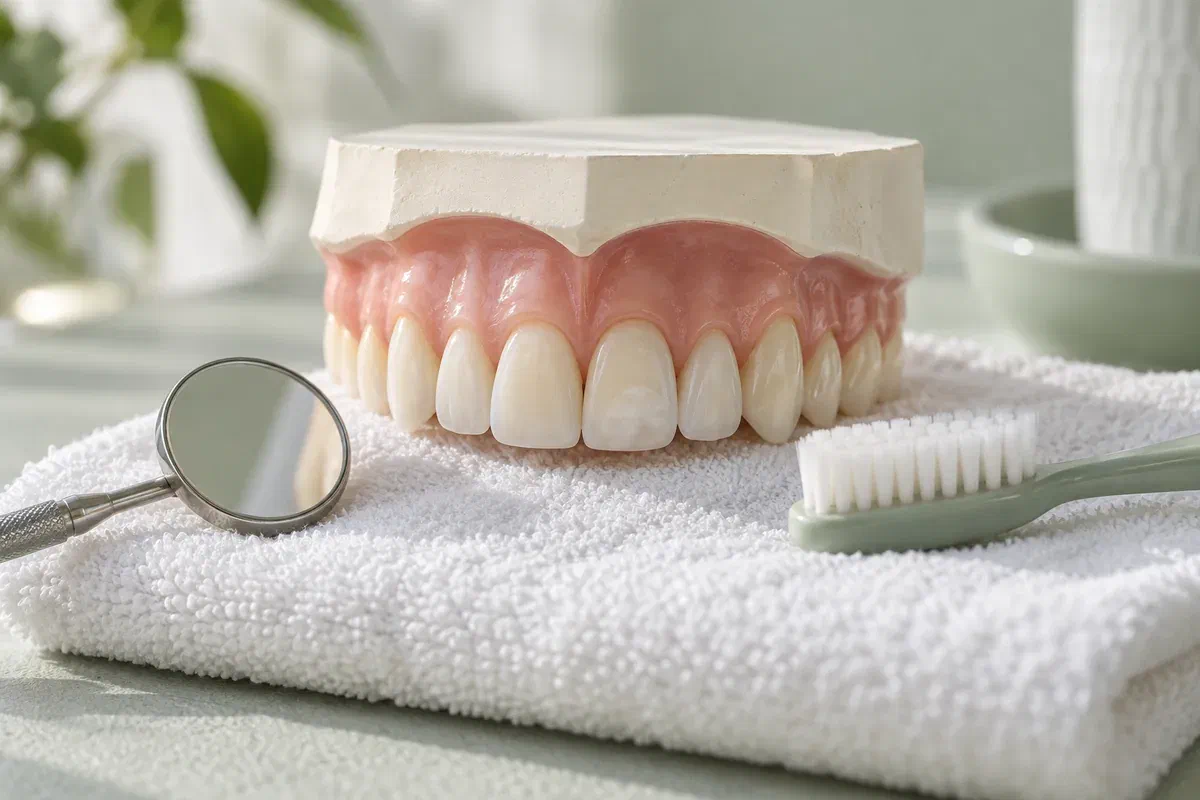
Illustrative dental teaching model with a subtle white enamel patch beside a mirror and toothbrush
What the history can tell us

Where the mark sits and when it appeared both matter.

An examination considers the surface and the surrounding oral health, not simply whether a patch looks bright. Bring the details you remember even if you are uncertain when the mark began.

A new patch around a plaque-retaining area

Mention marks that became noticeable around orthodontic brackets or near the gumline. A white spot can be an early sign of enamel mineral loss. Ask whether there are active risk factors to address and what preventive plan is appropriate before focusing on the colour.

Marks present since the tooth appeared

Explain whether the area has looked similar for years or affects several teeth. Developmental enamel differences need a different discussion from a newly noticed lesion. Ask how the diagnosis affects monitoring, treatment choices, and the expected response rather than choosing a product from appearance alone.

A rough, sensitive, or changing area

Tell the clinician about discomfort, a change in texture, staining, or food catching at the site. These details may change the priority of the visit. Do not scrape the patch to test its depth or assume an appearance treatment can address every underlying problem.

A white spot is a visible finding, not a complete diagnosis. Early mineral loss may be managed before a cavity forms, while a broken surface or another enamel condition can require a different approach.

What an individual assessment can clarify

Separate the health of the enamel from the shade you see.

A useful plan tells you whether the immediate aim is to reduce ongoing damage, monitor a stable finding, or improve appearance. Those aims can overlap, but they are not interchangeable. Ask how progress will be judged so a persistent visible mark is not automatically mistaken for failed preventive care.

You should also understand how much intervention an appearance option involves. Compare the likelihood of a less noticeable patch with the limitations, maintenance, and effect on tooth structure. A modest improvement may be a reasonable goal, and leaving a healthy mark unchanged remains an option.

An explanation tied to your particular patch

Ask what supports the proposed diagnosis and whether further observation or records would help. The distribution, history, and examination findings should guide the discussion. If the cause is uncertain, request an explanation of what that uncertainty means for choosing treatment.

A plan that addresses ongoing risks

Discuss cleaning around the affected area, relevant dietary habits, and recommended preventive products. Ask for instructions that fit your daily routine rather than adding several products without a clear purpose. Agree on when the area should be reassessed and what changes to report.

A realistic appearance conversation

Ask whether the proposed approach is likely to blend the mark, reduce contrast, or cover it with restorative material. Find out what may remain visible and whether additional treatment would be a separate decision. Complete disappearance should not be promised before the response is known.

From assessment to a chosen approach

Identify the problem, protect the enamel, and review the appearance choices.

The sequence depends on the cause and condition of the mark. Some visits focus on prevention and observation; others lead to a separate discussion about a suitable cosmetic procedure.

  1. Review the history and examine the surface

    Explain the age of the mark, any orthodontic history, sensitivity, and previous attempts to change it. The clinician evaluates the affected tooth and surrounding areas. Ask whether the surface is intact and what additional information is needed before a treatment recommendation can be made.

  2. Agree on any preventive care and review

    If ongoing mineral loss or plaque-related risk is identified, discuss a practical preventive plan and follow-up. Confirm the purpose and use of each recommended product. Ask what findings will indicate that the tooth is stable enough for a separate appearance discussion.

  3. Compare appropriate appearance options

    Review monitoring, selected enamel treatments, and restorative alternatives where relevant. Ask about tooth preparation, isolation, material considerations, and the limits of masking the patch. A consultation should clarify suitability rather than assume that one treatment works for every type or depth of mark.

  4. Assess the response before adding more treatment

    Confirm when the result and surface condition should be reviewed. If part of the mark remains, discuss its significance and whether further intervention is worthwhile. Agree on any additional step separately instead of treating incomplete colour blending as an automatic reason for a larger restoration.

Looking after the treated or monitored area

Keep the surface healthy while giving the plan time to be reviewed.

The instructions depend on whether you are following a preventive programme, have had an enamel procedure, or received a restoration. Ask which advice applies to your treatment and review date.

Use the preventive routine as directed

Follow the brushing, interdental cleaning, and fluoride advice recommended for your needs. Ask for a demonstration if the area is difficult to reach. Tell the team if the routine is uncomfortable or impractical so it can be reviewed rather than quietly abandoned.

Judge changes at the agreed follow-up

Ask how the clinician will compare the area over time and whether clinical photographs are useful. Everyday lighting and viewing conditions can make appearance comparisons difficult. Keep your review appointment and describe any change in texture, discomfort, or the size of the visible area.

Avoid home abrasion and unplanned whitening

Do not sand, scrape, or use acidic household mixtures to remove a patch. Ask before adding whitening, especially if another appearance treatment is underway. The goal is a considered plan for the enamel, not repeated experiments whenever the spot looks more noticeable.

Choosing care for a white enamel mark

Prevention, blending, and restoration solve different problems.

Ask why an option fits the cause, surface condition, and your priorities. The least extensive suitable approach deserves consideration before committing to a larger change.

When health or stability is the first objective

Prevention and observation

An individualized preventive plan and monitoring may be recommended for early mineral loss or a stable finding. Ask what improvement means clinically and whether the mark may remain visible. Healthy enamel does not need to look completely uniform for observation to be a reasonable choice.

When the lesion and surface are suitable

A selected enamel appearance procedure

Resin infiltration or another limited enamel approach may be considered in appropriate cases. Ask about the technique, preparation, and expected blending for your specific mark. Suitability varies, and neither a white appearance nor an intact surface alone guarantees a predictable cosmetic result.

When the findings justify adding restorative material

Bonding or another restoration

A damaged surface or a persistent appearance concern may lead to discussion of a restoration. Review the tooth-structure implications, repairability, and continuing maintenance. A veneer is not the automatic next step for every visible patch or for every result that falls short of complete masking.

Patient information: DMG — indications and limitations for smooth-surface resin infiltration

Questions about white patches on teeth

Ask what the mark means before asking how to hide it.

The answers depend on the cause, condition of the surface, and your preferences. An assessment can help distinguish a health concern from an elective appearance choice.

(905) 876-4488
Does every chalky white patch mean there is already a hole in the tooth?
No. A white patch can occur before a cavity forms, and some marks have developmental causes. The clinician needs to assess the surface and history. Ask whether the concern is active mineral loss, an established defect, or a stable appearance difference.
Can a white spot stay visible even when preventive care is working?
Yes, the visible colour and the clinical health of the area are different measures. Ask how stability will be assessed and what appearance changes are realistic. A remaining mark does not by itself establish that the preventive plan has failed.
Are marks noticed after braces always treated with resin infiltration?
No. Assessment comes first, including the surface condition and whether ongoing risk needs attention. Infiltration may suit selected non-cavitated lesions, but prevention, monitoring, or another approach may be more appropriate. Ask why the proposed option fits your particular findings.
Will whitening the surrounding teeth definitely blend a white patch?
No. The response depends on the cause of the patch and the overall tooth colour. Discuss the possible effect on contrast and the sequence of any other treatment before bleaching. A more even appearance cannot be guaranteed from whitening alone.
Should an old white mark be treated if it does not bother me?
Have it assessed so its condition and cause are understood. If it is stable and no treatment is needed for health, you may choose observation. Ask what review is appropriate; an appearance difference alone does not require you to pursue cosmetic care.
Can the dentist assess just one white spot without planning veneers for the other teeth?
Yes. Point out the specific area and your preferred scope of care. The clinician will consider the surrounding teeth as part of assessment, but any broader cosmetic plan should be explained separately. Ask about limited options and the possibility of leaving the rest unchanged.

Patient information: American Dental Association — whitening responses and intrinsic enamel marks

White spot treatment in Milton

Bring the mark you have noticed and the questions behind it.

Contact our Bronte Street practice to discuss a white patch, an enamel change, or a concern after orthodontic treatment. We can assess the tooth and explain suitable preventive, monitoring, and appearance options.

The cause, surface condition, treatment suitability, degree of blending, number of visits, and fees require assessment. Complete removal of a visible mark cannot be promised.

Visit Milton Dental Clinic
Unit 1, 342 Bronte St. S, Milton, ON L9T 5B7
Get directions Clinic hours
Monday–Thursday
11am–7pm
Friday–Sunday
By appointment only

How can we help?

Milton Dental Clinic

Have a question about your smile? Choose the option that works best for you.

For urgent dental concerns, please call.
Messages are reviewed during clinic hours.