

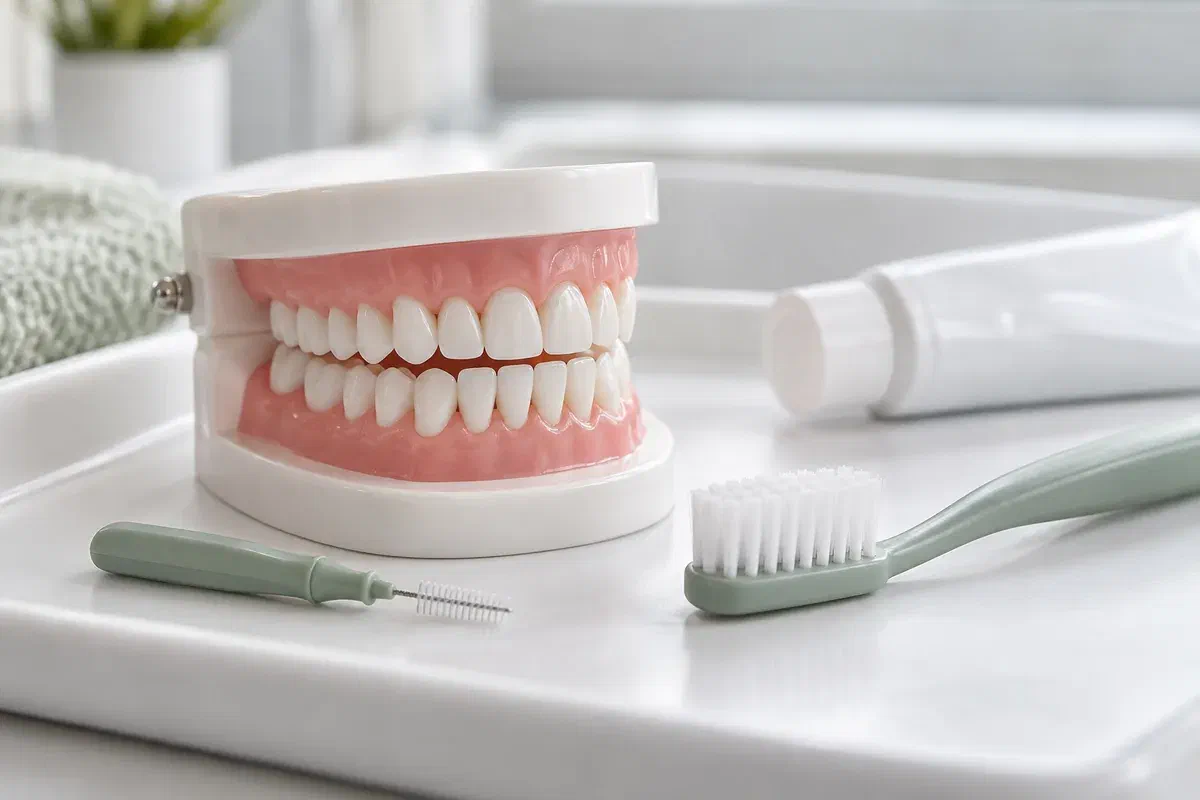
Illustrative dental discussion using a toothbrush and teaching model
General & Family Dentistry

Cavity Prevention

Prevention works best when it fits the way you live. Explore cavity prevention in Milton, with practical cleaning advice, appropriate fluoride care, and attention to the habits and health changes affecting your teeth.

A closer look at cavity prevention

Make everyday care work for the teeth you have.

Cavity prevention aims to reduce the conditions that allow decay to develop and progress. It includes everyday cleaning, appropriate fluoride exposure, food and drink habits, and dental assessment. The details matter: a person with dry mouth, a child learning to brush, and an adult with several existing restorations may need different support even when each already brushes daily.

Decay develops when repeated acid attacks associated with plaque bacteria and dietary sugars upset the balance at the tooth surface. Early mineral changes are different from an established hole in a tooth. An examination helps determine what is happening and whether prevention, monitoring, or treatment is needed. A prevention plan should not be used to postpone care for a tooth that already requires repair.

At Milton Dental Clinic, we look at what is practical for you. Tell us where cleaning is difficult, whether your mouth feels dry, and what has changed since your last visit. We can discuss manageable adjustments and explain the purpose of any professional preventive care instead of assuming that everyone needs the same products or appointment schedule.

Discuss your cavity prevention routine
Dental model, soft toothbrush, and interdental brush illustrating preventive care
When to review your prevention plan

New circumstances can change an old routine.

You do not need to wait for toothache to discuss prevention. A change in health, habits, or the way your teeth are restored can make it useful to reassess the care you use at home.

Cavities keep appearing

Repeated fillings are a reason to review the wider pattern, not a reason for blame. Discuss recent decay, cleaning challenges, and the timing of sugary food or drinks. The aim is to identify relevant contributors rather than simply tell you to try harder.

Dryness has become noticeable

A mouth that regularly feels dry may need additional attention because saliva helps protect teeth. Mention medicines, medical treatment, or other changes that coincide with dryness. Do not alter prescribed medication on your own; the dental and medical concerns may need coordinated advice.

Some surfaces are hard to reach

Crowded teeth, exposed root surfaces, appliances, or limited hand movement can make a standard routine difficult. Show us the problem area and the tools you use. A suitable adaptation may be more useful than adding another product without addressing access.

Decay can develop without obvious pain. Keep recommended examinations, and arrange assessment sooner for a new hole, a broken filling, or symptoms rather than relying on prevention products to repair structural damage.

What prevention is working toward

Reduce risk through steps you can keep using.

A prevention plan is intended to reduce the likelihood of new decay and support teeth that show early changes where non-restorative care is appropriate. It cannot guarantee a lifetime without cavities. The most useful plan identifies specific priorities, explains why they matter, and allows their effect to be reviewed.

Prevention also continues after a filling or crown. The restoration addresses an area of damage, but the remaining tooth and other teeth are still exposed to the conditions in your mouth. Ask how your daily routine should account for existing dental work and what signs would justify another conversation before the next planned check.

Patient information: NIDCR — the tooth decay process

A smaller set of clear priorities

Start with the actions most relevant to your findings. It may be improving one cleaning area, changing a repeated sipping habit, or discussing dryness. Understanding the reason behind a recommendation makes it easier to decide how it fits into your day.

Help with technique and product choice

Ask for a demonstration and bring the tools you find difficult to use. Toothpaste, brushes, and interdental aids should suit your abilities and needs. A higher price or stronger taste does not by itself mean a product provides better prevention.

Review before problems become larger

Examinations allow the team to reassess the condition of teeth and review early findings. Ask what is being watched and when it should be checked again. The interval should relate to the assessment rather than an assumption that every patient has identical risk.

Planning preventive care

Connect the examination with life between visits.

Tell us what you already do and where the routine breaks down. A useful conversation can include work schedules, access to products, dexterity, family routines, and questions about the cost of recommended care.

  1. Review the teeth and your history

    We assess current dental findings and discuss previous decay, health changes, dryness, and daily care. X-rays may be recommended when clinically indicated. Explain any new symptoms so an active problem can be considered separately from the prevention discussion.

  2. Identify relevant risk factors

    The conversation may include the frequency of sugar exposure, cleaning effectiveness, fluoride use, and areas that retain plaque. The aim is to understand your situation without reducing the problem to one food or one missed brushing session.

  3. Agree practical actions

    Discuss home care, suitable products, and whether professional preventive measures are indicated. Ask which recommendation is the priority and how to use any prescribed product. For children, age and individual risk affect guidance, so adult instructions should not simply be copied.

  4. Review and adjust

    At subsequent visits, we consider new findings and how the routine is working. A change in medicines, health, or dental treatment may alter the plan. Tell us if a recommendation is uncomfortable, unaffordable, or difficult to follow so alternatives can be discussed.

Between preventive visits

Keep the routine consistent and specific.

Home care is most useful when it reaches the surfaces that need attention and is repeated regularly. Ask for instructions that account for your age, ability to spit, and any medical or swallowing concerns.

Brush and clean between teeth

For adults, brushing twice daily with fluoride toothpaste and cleaning between teeth each day are central habits. Use a technique and tools you can manage. A rinse does not replace brushing, and brushing alone may leave the spaces between teeth insufficiently cleaned.

Look at frequency as well as quantity

Repeated sugary snacks or drinks can expose teeth throughout the day. Discuss keeping these exposures to mealtimes and choosing plain water between meals where appropriate. The goal is a workable pattern that supports general nutrition, not a judgement about a single treat.

Use additional products as directed

If a stronger toothpaste, rinse, or other preventive product is recommended, follow its individual instructions and keep it out of young children's reach. Ask before combining several products. More fluoride product is not automatically the right answer for every person.

Patient information: Canadian Dental Association — oral health basics · NIDCR — oral hygiene

Choosing preventive measures

Use each option for a clear purpose.

The examination and risk discussion guide which measures are appropriate. Ask what benefit is expected, whether there are limitations, and how professional care connects with your daily routine.

The everyday foundation

Tailored home care

Cleaning technique, appropriate fluoride toothpaste, and practical food and drink choices form the starting point. Some patients need adapted tools or help from another person. Discuss barriers openly so the plan fits the person carrying it out.

When additional protection is indicated

Professional fluoride care

A professional fluoride treatment may be recommended according to age, risk, and the condition of the teeth. Ask why it is being proposed and how often it should be reviewed. It complements home care rather than replacing it.

For selected susceptible surfaces

Sealants for suitable grooves

Sealants can protect appropriate pits and grooves that are difficult to clean. The tooth must be assessed to determine suitability, and the sealant needs checking over time. It does not protect every surface or remove the need for daily care.

Patient information: Canadian Dental Association — appropriate fluoride use · NIDCR — sealants

Questions about preventing the next cavity

Ask how the advice applies to your mouth.

Questions about fluoride, diet, and repeat decay are welcome. The most useful answer connects general prevention principles with your dental findings and the routine you can realistically maintain.

(905) 876-4488
Why might I develop cavities even though I brush every day?
Brushing is important, but risk can also involve hard-to-clean areas, fluoride exposure, the frequency of sugar intake, saliva, and existing dental conditions. Review technique and the wider history with the dentist. A new cavity is a reason to reassess the plan rather than assume that daily brushing has no value.
Can prevention reverse a cavity that has already formed a hole?
Early mineral changes can sometimes be managed without a filling, but an established hole represents lost structure and needs clinical assessment. Prevention remains important alongside any treatment. Do not assume a product advertised for enamel repair can replace the shape of a tooth that has broken down.
Do adults need cavity prevention after all their teeth have erupted?
Yes. Adult teeth can develop decay throughout life, including near restorations and on exposed root surfaces. Dry mouth or difficulty cleaning may change risk later on. A routine that worked previously may need to be reviewed when health, medicines, or daily abilities change.
Are dental sealants a substitute for fluoride toothpaste?
No. A sealant protects selected grooves on a suitable tooth; it does not cover every surface or protect the spaces between teeth. Fluoride toothpaste and effective cleaning still have a role. The dentist can explain whether sealants would add useful protection in your case.
Should everyone use prescription-strength toothpaste to prevent decay?
No. The choice should reflect age, risk, and individual needs. Ask the dentist whether an additional product is indicated and how to use it safely. Do not share a prescribed toothpaste with children or other household members simply because you assume stronger means better.
How do we know whether my cavity prevention plan is helping?
Reviews consider the condition of teeth, any new or changing lesions, and how the daily routine is working. Ask which findings are being monitored and what would lead to an adjustment. A plan may need updating even when you have followed it, especially if your health or saliva changes.
Cavity prevention in Milton

Let’s make prevention practical for your day.

Visit our Bronte Street practice to review your dental health and the habits supporting it. Bring questions about repeated cavities, products, or a difficult cleaning area. We can discuss the priorities and any preventive care suited to your teeth.

Call if pain, swelling, or a broken tooth needs attention. Online enquiries are for non-urgent appointment requests.

Visit Milton Dental Clinic
Unit 1, 342 Bronte St. S, Milton, ON L9T 5B7
Get directions Clinic hours
Monday–Thursday
11am–7pm
Friday–Sunday
By appointment only

How can we help?

Milton Dental Clinic

Have a question about your smile? Choose the option that works best for you.

For urgent dental concerns, please call.
Messages are reviewed during clinic hours.