

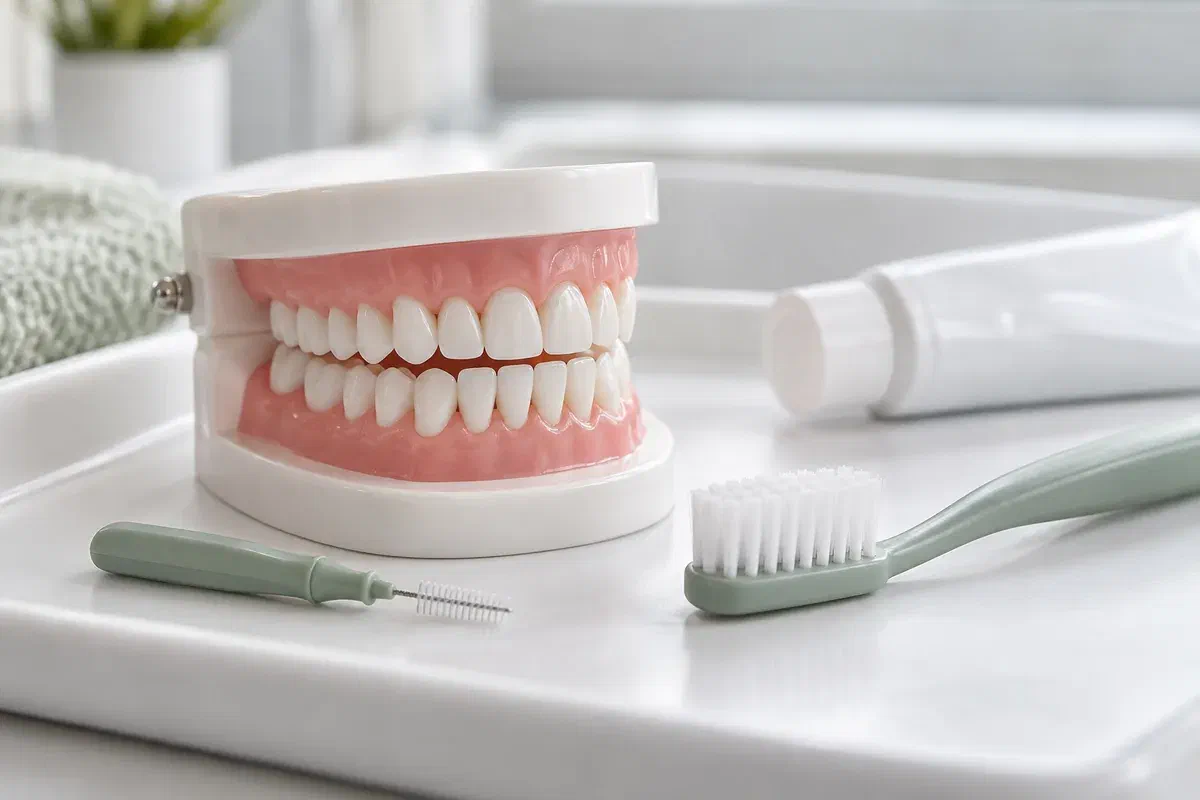
Illustrative dental discussion using a toothbrush and teaching model
General & Family Dentistry

Cavity Prevention in Halton Hills

Raisins, granola bars and fruit snacks can sound wholesome and still linger on teeth. For households across Halton Hills, our cavity prevention care looks at what is packed, when it is eaten, and how teeth are cleaned afterward.

Halton Hills · food, timing and teeth

What’s in the lunchbox matters, and so does when it’s eaten

A sticky snack can sit in the grooves of a molar long after recess ends. Foods marketed as healthy are not always gentle on teeth, especially when they cling or are nibbled across the afternoon. Diet is only one strand of prevention, though. Cleaning technique, fluoride, saliva and regular examination all work together, and the balance differs from one person to the next.

Each sugar exposure gives plaque bacteria the chance to make acid. That acid draws minerals out of the enamel, while saliva and fluoride help put them back in the gaps between snacks. When those gaps shrink, the surface can weaken. A soft or chalky early area is not the same as a hole, and only an examination can show whether it needs prevention, observation or a filling. Prevention is never a reason to hold off on necessary repair.

Families from Georgetown, Acton, Glen Williams and the smaller hamlets often tell us the day is long once you count the school run and activities. Mention what typically gets packed, which teeth seem hard to brush, and anything new, such as braces or a medicine that leaves the mouth dry. We can work on a few changes that suit your household and explain any in-clinic care we suggest.

Talk through snacks, cleaning and fluoride
Dental model, soft toothbrush, and interdental brush illustrating preventive care
Signals worth acting on

Small changes, bigger effect on teeth

There is no need to wait for pain before talking about prevention. A new school year, a new diet, health changes or fresh dental work can all mean your current routine is due for review.

The fillings keep coming

When decay keeps showing up, we step back and look at the whole picture with you. Snack timing, hard-to-reach surfaces and recent findings all count. This is about finding causes rather than telling anyone to simply try harder.

Dry, sticky-feeling mouth

Saliva rinses food away and protects enamel, so a mouth that often feels dry may need extra care. Note any medications or treatments that began around the same time. Please do not stop a prescription by yourself; your doctor and dentist may need to coordinate.

Grooves and gaps that trap food

Deep grooves on back teeth, crowded front teeth, braces, exposed roots or limited dexterity can leave food behind after brushing. Show us the area and bring your brush and floss. Adjusting the approach usually helps more than piling on products.

A cavity may not hurt until it is fairly advanced. Stay with the examinations recommended for you, and get a tooth checked sooner if you see a hole, part of a filling breaks away, or something feels sore. Rinses and pastes cannot restore a broken-down tooth.

The payoff

Protection you can build into ordinary days

Prevention works to lower the chance of new cavities and, when appropriate, to help early surface changes without a filling. It cannot guarantee a cavity-free life. Its value is in narrowing things down to a handful of priorities, showing why they matter, and checking at future visits whether they have helped.

Once a tooth has been filled or crowned, the work is not finished. That restoration fixes one damaged area, yet the remaining tooth and the teeth beside it still face the same snacks, cleaning and saliva. Ask how existing dental work changes what you should do at home, and which warning signs would justify calling before your next check.

Patient information: NIDCR — the tooth decay process

Start with the biggest lever

We pick the change most likely to matter given your findings: swapping a sticky snack, cleaning one back molar properly, or addressing dryness. When you know the reason, it is far easier to decide how to fit the change into the day.

Practical product advice

Bring along the toothpaste, brushes and floss you already own, and ask for a demonstration. Tools should suit age, hands and needs. A more expensive tube or a stronger flavour does not in itself offer more protection.

Regular review, earlier answers

Examinations let us look again at the teeth and follow anything we flagged before. Ask which areas are being monitored and when they will be rechecked. The interval between visits should reflect your own risk rather than a standard calendar.

From first visit onward

Here’s how we put a plan together

Start with what you already do and where it falls short. Activity schedules, packed lunches, who helps the children brush, dexterity, where you shop for products, and the cost of care are all fair to raise.

  1. Look closely and listen

    The teeth are examined and we talk about past decay, any recent health changes, dryness and the cleaning you do now. X-rays may be advised if there is a clinical reason. Mention any symptom you have today so it can be assessed as a separate issue.

  2. Find the contributors

    Common themes include how often sugar is eaten, how well plaque is cleared, fluoride use and areas where food and plaque collect. We are aiming to understand the whole situation, not to blame a single food or a single tired evening.

  3. Choose doable actions

    Together we settle on brushing and cleaning methods, the products that suit you, and whether professional measures such as fluoride or sealants are indicated. Ask which matters most. Children need guidance matched to their age and risk, not a copy of adult instructions.

  4. Check progress later

    At follow-up visits we compare what we see with last time and hear how home care has gone. New medicines, changes in health or dental treatment can mean the plan needs updating. If a step is uncomfortable, unaffordable or simply not working, let us know so we can try another approach.

Everyday habits

Keep it simple and keep it regular

Home care protects best when it reaches the surfaces most at risk and is repeated reliably. Instructions should account for age, how well someone can spit, and any health or swallowing difficulties, so ask for advice tailored to each person.

Brush and clean in between

Adults are usually advised to brush twice a day with a fluoride toothpaste and to clean between teeth daily. Use a method and tools you can manage. Mouthwash does not replace brushing, and the brush on its own often misses the gaps where teeth touch.

Group snacks, sip water

Nibbling sticky or sweet foods through the day, or sipping juice, keeps teeth exposed to acid. Consider serving these with meals and offering plain water in between where that suits you. The aim is a workable household pattern that supports good nutrition.

Follow special instructions

Where a stronger toothpaste, rinse or other product is suggested, use it as directed and store it safely away from young children. Ask us before combining products, because extra fluoride is not suitable for everyone.

Patient information: Canadian Dental Association — oral health basics · NIDCR — oral hygiene

Preventive choices

Options, and what each one is for

Your examination and risk discussion shape what we recommend. Ask what benefit to expect, what the limits are, and how professional care fits with the routine at home.

Where it all starts

Home care to suit the household

Good technique, a suitable fluoride toothpaste and sensible snack and drink choices are the foundation. Younger children and some adults need adapted tools or a helper. Talk about obstacles so the plan works for the person doing it.

For higher risk

Fluoride varnish or treatment

Professional fluoride may be suggested depending on age, risk and the condition of the teeth. Ask why it is being offered and how often it will be reviewed. It complements home care rather than replacing it.

For selected chewing surfaces

Sealants on grooved molars

Sealants can cover suitable pits and grooves where sticky food tends to lodge. The tooth is assessed first, and the sealant is checked at later visits. It does not protect the sides of teeth or the spaces between them.

Patient information: Canadian Dental Association — appropriate fluoride use · NIDCR — sealants

Questions we hear across Halton Hills

Snacks, sealants and everything in between

Questions about fluoride, food and recurring decay are welcome. The most helpful answers link prevention principles with your examination findings and a routine you can keep.

(905) 876-4488
Are dried fruit and granola bars bad for my child’s teeth?
They can contain natural or added sugars and tend to stick to teeth, which can prolong acid exposure. That does not mean they must be banned. Serving them with a meal and following with water or brushing when possible is generally kinder to teeth than nibbling them through the afternoon.
Is cheese or milk a better snack for teeth?
Plain dairy foods such as cheese and unsweetened milk are generally lower in sugar than many packaged snacks. Snack choice is only one part of prevention, so cleaning and fluoride still matter. We can suggest options that suit your family’s diet.
Is juice a problem if it is 100% fruit?
Fruit juice contains natural sugars and is acidic, so frequent sipping can still contribute to decay. Keeping juice to mealtimes and offering water in between is a common approach. Whole fruit is usually a better choice than juice.
Do sealants mean we can skip fluoride toothpaste?
No. A sealant only covers chosen grooves on a suitable tooth and does not protect smooth surfaces or the spaces between teeth. A fluoride toothpaste twice a day and daily flossing are still part of the plan.
My child had a cavity last year. Does that mean more are coming?
A previous cavity can be a sign that risk factors are present, so it is a good moment to review cleaning, snack timing and fluoride use. It does not mean more decay is inevitable. Ask what the dentist will monitor at the next visit.
Does prevention matter for baby teeth that will fall out?
Yes. Baby teeth help with chewing, speech and holding space for adult teeth, and decay in them can cause pain or infection. Good habits started early also tend to carry forward. Ask us about age-appropriate brushing and toothpaste amounts.
Booking from Halton Hills

Start with one honest look at the routine

Our Bronte Street practice can review your family’s teeth and the habits around them. Bring questions about recurring cavities, lunchbox snacks, products or a hard-to-clean area. We will agree on priorities and discuss preventive care suited to each person.

If someone has pain, swelling or a broken tooth, please call. Online booking is for non-urgent appointments.

Visit Milton Dental Clinic
Unit 1, 342 Bronte St. S, Milton, ON L9T 5B7
Get directions Clinic hours
Monday–Thursday
11am–7pm
Friday–Sunday
By appointment only

Areas we serve

  • Milton
  • Oakville
  • Mississauga
  • Georgetown
  • Halton Hills
  • Acton
  • Campbellville
  • Brampton
  • Burlington
  • Puslinch
  • Rockwood
  • Erin
  • Caledon
  • Etobicoke
  • Old Milton
  • Bronte Meadows
  • Timberlea
  • Dorset Park
  • Dempsey
  • Clarke
  • Beaty
  • Coates
  • Harrison
  • Scott
  • Willmott
  • Ford
  • Bowes
  • Cobden
  • Walker
  • Mountain View
  • Milton Heights
  • Hawthorne Village
  • Valley View
  • Fallingbrook
  • Nassagaweya
  • Trafalgar
  • Esquesing
  • Nelson
  • Brookville
  • Moffat
  • Glen Williams
  • Norval
  • Limehouse
  • Stewarttown
  • Ashgrove
  • Hornby
  • Silver Creek
  • Speyside
  • Scotch Block
  • North Oakville
  • River Oaks
  • Glen Abbey
  • West Oak Trails
  • Palermo
  • Bronte Creek
  • College Park
  • Joshua Creek
  • Uptown Core
  • Preserve
  • Iroquois Ridge
  • Lisgar
  • Meadowvale
  • Meadowvale Village
  • Churchill Meadows
  • Erin Mills
  • Central Erin Mills
  • Streetsville
  • East Credit
  • Creditview
  • Heartland
  • Sheridan
  • Mount Pleasant
  • Credit Valley
  • Huttonville
  • Churchville
  • Springbrook
  • Northwest Brampton
  • Bram West
  • Fletcher's Meadow
  • Fletcher's Creek South
  • Alton Village
  • Orchard
  • Millcroft
  • Headon Forest
  • Tansley
  • Brant Hills
  • Tyandaga
  • Kilbride
  • Lowville
  • Aberfoyle
  • Morriston
  • Arkell
  • Hillsburgh
  • Freelton
  • Carlisle
  • Waterdown
  • Flamborough
  • Mountsberg

How can we help?

Milton Dental Clinic

Have a question about your smile? Choose the option that works best for you.

For urgent dental concerns, please call.
Messages are reviewed during clinic hours.