Implant, bridge or something else
Whether a site can take an implant, or how surgery should be approached, can depend on bone and on where nerves and sinuses lie. Ask which part is uncertain and what you would choose under each possible result.


Before setting aside a morning for a 3D scan, it helps to know what you will do with the answer. From Campbellville, explore how CBCT 3D dental scans feed into treatment decisions, when they may change a plan, and when they may not be needed.
Picture two possible results from a scan. If both would lead to the same treatment, the scan may not be adding much. If they would lead in different directions, say toward an implant in one case and a bridge in another, the images could genuinely matter. That simple test is a good way to think about cone-beam computed tomography, or CBCT.
CBCT is an X-ray exam that captures three-dimensional information about teeth, jawbone and nearby structures. It is used for selected questions that an exam and conventional images have not settled, and it differs from the light-based scanner used for digital impressions. A recommendation should come with the decision it informs, the alternatives, its limits and the radiation involved.
Contact Milton Dental Clinic if you would like to talk a recommendation through before arranging anything. Bring your referral and any record of earlier images. Ask where a scan would happen, who interprets it and how the findings get back to your dentist. An online enquiry is a first step only and does not confirm imaging, on-site scanning or suitability.
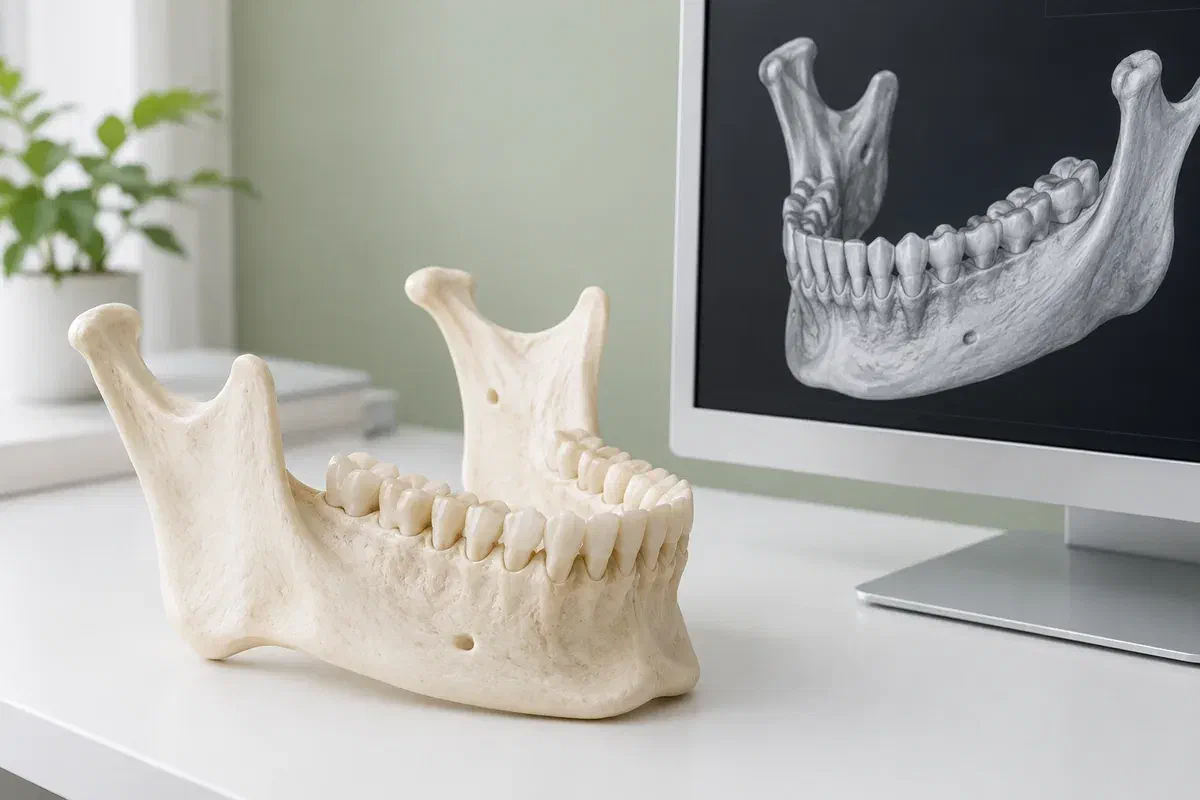
Imaging tends to be most useful when a real fork in the road depends on it. The examples below are starting points for discussion, not automatic triggers for a scan.
Whether a site can take an implant, or how surgery should be approached, can depend on bone and on where nerves and sinuses lie. Ask which part is uncertain and what you would choose under each possible result.
When a root canal problem or other tooth concern is unexplained, extra imaging may help guide the next step. It adds to your symptoms and the exam without replacing them, and it may leave the question partly open.
An unerupted tooth or an unusual area may need a clearer sense of its position or size before deciding what to do. Ask why the suggested scan coverage fits. Including more of the head does not always help a focused decision.
If no likely result would change the plan, ask whether the scan is necessary, and whether images on file or a lower-dose X-ray could do.
With CBCT, a qualified clinician can examine an area in slices and turn it to view from different angles. For a well-chosen question, that may support a diagnosis, inform treatment planning or help evaluate an area later on. The worth of all this is measured against the exposure.
A CBCT uses ionizing radiation and typically means more dose than routine dental X-rays. Dose depends on the unit, its settings and the volume scanned. Responsible use keeps the exam as small as the decision requires while still being readable. Nobody can promise zero risk or one dose figure for everybody.
Patient information: FDA — dental cone-beam computed tomography
Ask your clinician to say, before the scan, what they will decide once it is read. That makes it easier to judge whether the benefit is worth the dose and the trip.
The images are interpreted with your history, the exam and earlier records. Find out who reads them and how any finding outside the original decision will be shared with you.
Imaging and treatment sometimes happen at different offices. Ask how files and the written findings will be sent, with your permission, so the decision is not delayed.
A scan may be booked apart from your dental visits and may happen elsewhere. Rural households often try to line appointments up, so confirm the provider, place, fee and reporting plan before leaving Campbellville.
The responsible clinician explains why imaging is being considered and checks whether existing images already answer it. Tell them about any earlier scans. Ask how each possible result could change what you do next.
Follow the instructions given. Mention a possible pregnancy, trouble keeping still or a need for help with positioning. Be ready to remove jewellery, glasses or removable dental work near the area.
You are positioned and asked to remain still while the machine circles your head. The routine depends on the equipment and area. Mention any discomfort before it begins so the team can consider adjustments.
A qualified person interprets the images and prepares findings. Confirm when they will be ready and which clinician will explain them. The result may support the original plan, change it or call for further assessment.
The scan collects information; the decision still has to be made. That can take some coordination if imaging was done away from the office managing your care.
Ask whether you should schedule a results talk or expect to be contacted. If you are lining up a procedure, make sure the findings have arrived and been reviewed first.
Record who had a scan, when, where and of what area. If imaging is suggested again for anyone in the family, mention it. An earlier scan may not answer a new question, but reviewing it can prevent duplication.
Waiting on a scan or its report is not a reason to delay care for worsening pain, swelling or a new problem. Let the treating team know so they can reconsider timing.
Bring the referral or treatment plan you were given. Going over it together helps clarify what decision the scan is meant to inform and who can answer practical questions about the imaging.
Patient information: RCDSO — dental CT scanner requirements
Get in touch with our Bronte Street practice and share any referral or plan you have. We can talk about how a scan might inform your dental decisions and help you see what comes next. Confirm the imaging provider and timing before attending a scan.
Online requests are enquiries, not booked scans. If pain or swelling is getting worse, call us rather than waiting.
