Bone and anatomy for a procedure
An implant or some kinds of surgery can depend on how much bone is there and where nerves and sinuses run. Ask which detail is in doubt, what it would change, and which other treatments would stay possible.


The scan is booked for next week, but the tooth is worse tonight. For households in Erin, here is how CBCT 3D dental scans fit into care, why a pending scan never replaces urgent attention, and how imaging results guide what happens next.
Imaging appointments are often set days or weeks out, and teeth do not always wait politely. If pain sharpens, a cheek starts to swell or a new problem appears, the right move is to call the treating team, not to hold on until scan day. The scan is a planning tool. It was never meant to stand in for care when symptoms change.
Cone-beam computed tomography, CBCT, uses X-rays to give a three-dimensional view of teeth, jawbone and the structures around them. It may be suggested when an exam and ordinary X-rays leave a question open, perhaps about bone before an implant or a tooth that will not explain itself. It has nothing to do with the light-based wand used for digital impressions. The reason for the scan, other options, its blind spots and its dose all deserve a plain explanation.
Contact Milton Dental Clinic to talk about a scan recommendation or symptoms that have changed while you wait. Bring your referral and when earlier X-rays were taken. Ask where imaging happens, who reads it and how the findings reach your dentist. A message sent online is a starting point, not a reserved scan or a verdict that 3D imaging is right for you.
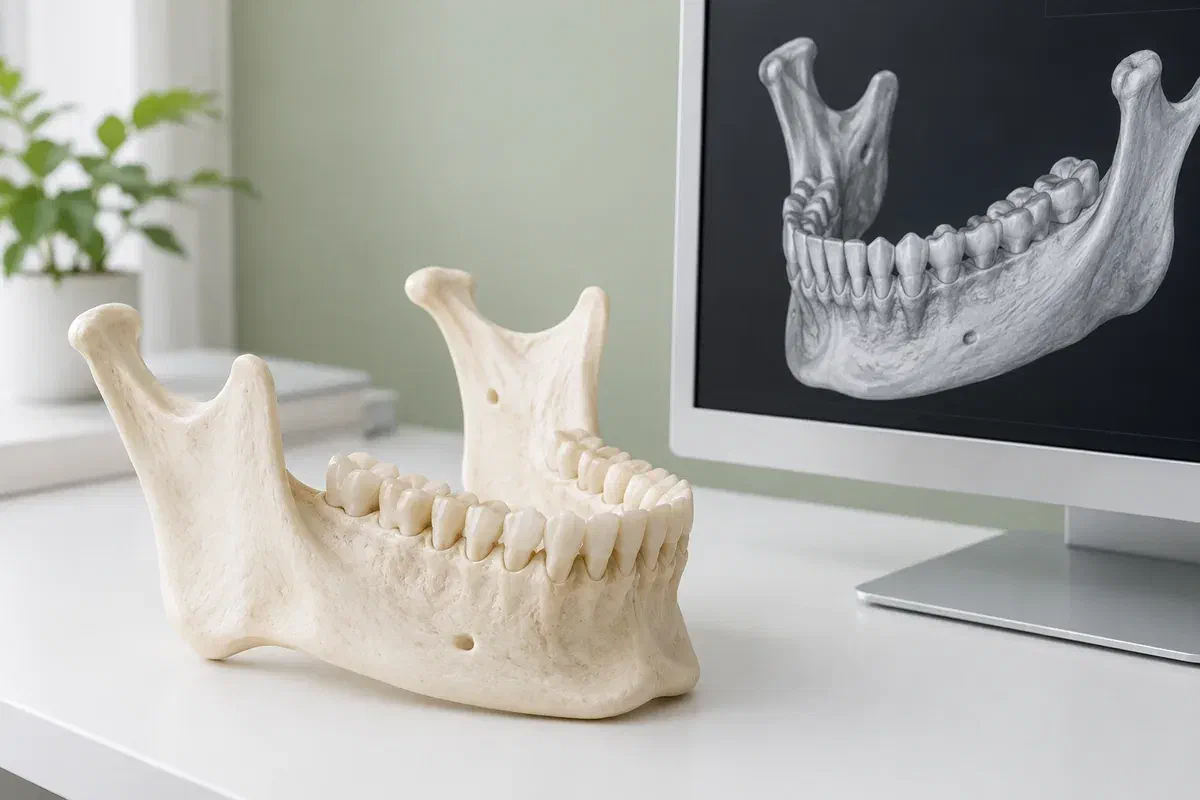
These are typical reasons a clinician raises CBCT. They are worth understanding, but none of them means everyone in that situation needs imaging.
An implant or some kinds of surgery can depend on how much bone is there and where nerves and sinuses run. Ask which detail is in doubt, what it would change, and which other treatments would stay possible.
Some root canal cases and other dental problems stay unexplained on routine films. A scan can add information, but the exam and how the tooth feels still lead the diagnosis, and the images may not settle it.
A tooth stuck below the gum or an odd area on an older film may need its location or reach clarified. Ask why the suggested scan region fits. Covering more ground is not automatically better for a narrow question.
CBCT is not part of every check-up. Before booking one, it is fair to ask whether current films, or a lower-dose view, could do the job.
With CBCT data, a qualified clinician can scroll through thin layers and look at a region from several sides. For a well-chosen question, that can help with diagnosis, planning a procedure or checking how an area has changed. It is a tool for understanding, and its usefulness is weighed against exposure.
The scan uses ionizing radiation, usually at a higher dose than everyday dental X-rays. Exactly how much varies with the machine, the settings and the size of the area imaged. Sensible practice keeps the exam as tight as the question permits while still producing readable images. That is a realistic aim, not a promise of no risk or one dose for all.
Patient information: FDA — dental cone-beam computed tomography
Ask what will be decided once the images are read. The reason should lead to a concrete decision about your care, such as how to plan a procedure, rather than resting on how modern the equipment is.
History, exam findings and earlier films are all part of interpreting the scan. Find out who does the reading and how anything noticed outside the main question will reach you.
Where an outside imaging office is involved, check how scans and written findings will be sent on, with your consent, so a follow-up visit is not spent waiting on paperwork.
Your scan and your treatment visits may be separate, possibly at different places. Know the provider, the address, the fee and the reporting plan before leaving Erin, and keep the treating office’s number handy in case symptoms change.
The responsible clinician explains the reason for 3D imaging and checks what older films already show. Mention scans you have had elsewhere. Ask what new information is expected and how it might steer the plan.
Read the imaging office’s instructions. Mention a possible pregnancy, stiffness or a tremor, or any need for help with positioning. If symptoms have worsened since the scan was booked, call the treating team before the appointment.
Staff help you into place, usually sitting or standing, and the arm sweeps around while you keep your head still. Each unit has its own routine. Speak up about discomfort before it starts.
A qualified person interprets the scan and documents what it shows. Find out roughly when that will be done and which clinician will go over it with you. The results might support the plan, change it or prompt more tests.
Imaging collects information while the tooth itself carries on. The findings matter once they are read and acted on, and that can take time when the scan was done somewhere else.
Ask whether you are meant to book a results talk or wait to hear from the office that referred you. If a procedure is lined up around the findings, check that they have arrived first.
Jot down the date, the imaging office and the area covered. If more imaging is suggested later, bring it up so this exam can be checked first. That may prevent an unneeded repeat.
Do not wait for scan day or results if pain sharpens, swelling appears or something new begins. The treating team can decide whether you should be seen sooner, regardless of where the imaging stands.
Have your referral and a short note of how symptoms have changed. That helps clarify what the scan is for and whether the treating office or the imaging provider should answer each practical question.
Patient information: RCDSO — dental CT scanner requirements
Get in touch with our Bronte Street practice about a scan recommendation, a referral, or symptoms that have shifted while you wait. We can explain where imaging fits in your dental assessment and what should happen first. Double-check the imaging provider and time before your appointment.
A web enquiry does not reserve imaging. For worsening pain or swelling, please phone rather than send a form.
