

Illustrative dental planning conversation before medical treatment
General & Family Dentistry

Dental Care Before Cancer Treatment in Georgetown

The bathroom sink is where mouth care really happens. Before therapy begins, households in Georgetown can build a gentle routine with our dental team, check for problems and connect the plan to the oncology schedule.

Starting with your everyday routine

Practise the routine while you still feel well

Think about the two minutes you spend at the sink each morning. During cancer therapy those minutes can become harder, because the mouth may be tender, dry or tired along with the rest of you. A dental visit beforehand is partly about catching problems early and partly about setting up a routine you can keep going when energy dips.

The routine and the checks both depend on the treatment. Head and neck radiation, chemotherapy and some medicines given with cancer care can affect saliva, gums, the lining of the mouth, infection risk and healing in different ways. That is why we ask what has been planned rather than offering one generic sheet of advice.

From Georgetown, call once you have a proposed start date, and mention it at the start of the call if it is close. The oncology team decides the overall timing; dental care fits around it. Do not hold back cancer treatment yourself to finish dental work, and bring along any hospital instructions.

Book a check and routine review
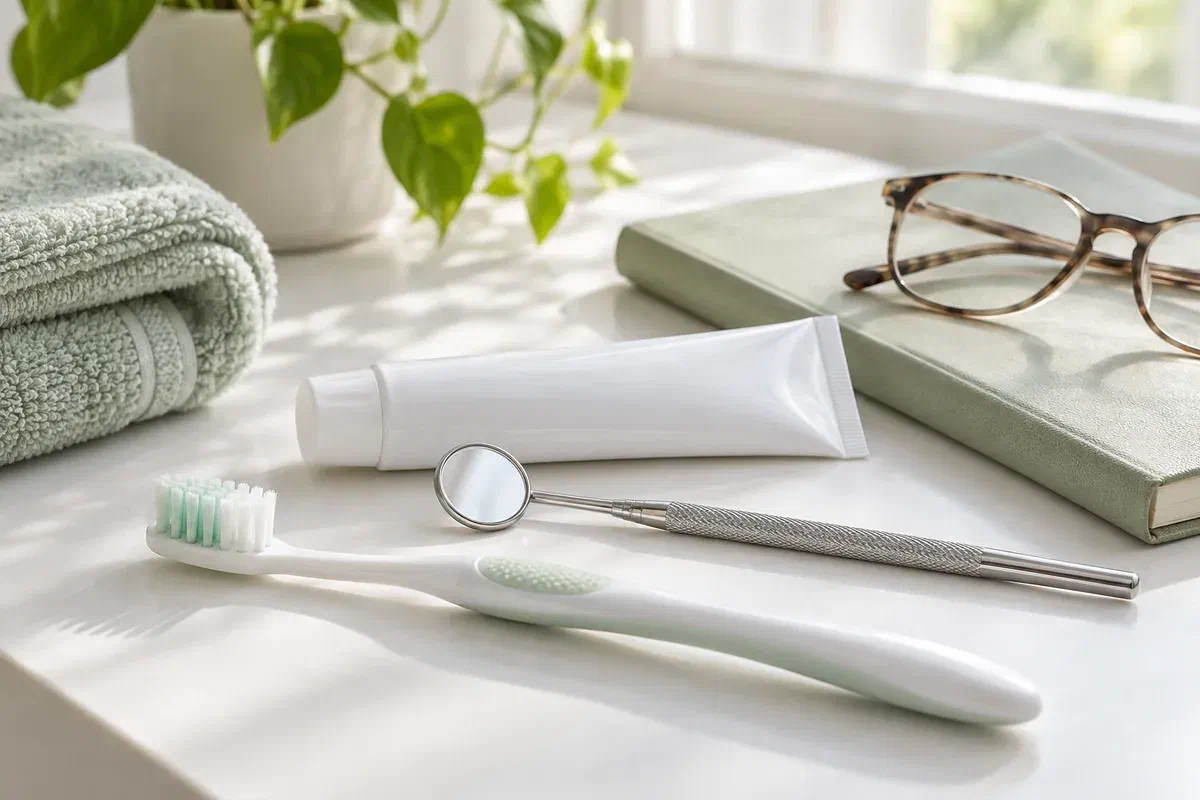
Soft toothbrush and dental care items beside a folder illustrating treatment preparation
Things to raise on the phone

What is bothering you, and what is hard to manage?

Pain, swelling, a crown that wobbles or difficulty chewing are worth mentioning, even if they seem small. So is anything that makes brushing or flossing a chore.

A sore or damaged tooth

Toothache, gums that bleed when you brush, a chipped filling or a partial that pinches may matter before therapy begins. Let us know how long it has been happening, and the dentist will weigh its importance against the time you have.

What the hospital has asked

Bring referral letters, forms and the planned therapy. If radiation will involve the head or neck, a dedicated dental pathway may apply. It is worth asking whether a hospital dental or oral medicine team is already part of your care.

Barriers at the sink

Fatigue, a dry mouth, a jaw that will not open far, shaky hands or trouble with floss all affect the routine we suggest. Tell us honestly what is manageable and whether someone at home could help.

If cancer therapy is already under way, please mention it before any dental work is planned. Timing and precautions may be different, and medical information might need confirming.

Why a routine is worth rehearsing

Habits are easier to start before the mouth gets sore

When you visit early, there is space to deal with dental problems that need treatment and to let them heal. You can also try out products and techniques and ask questions while you have the energy to do so. How much time you have varies, so getting in touch soon is better than assuming everyone gets the same lead time.

A good routine may lessen some oral side effects, though it cannot guarantee they will be avoided. Knowing what to watch for, and who to tell, makes it easier to act quickly. That matters when your days are filled with appointments at different places.

Patient information: NIDCR — cancer treatments and oral health

A picture of your mouth now

Recording the current condition of teeth and gums helps everyone notice changes later. Tell us about any previous radiation to the head or neck, relevant medicines or specialist dental care.

A short list of priorities

We separate urgent care, preventive steps and things that can wait. Ask why each recommendation matters before therapy and how it fits around the treatment dates.

A routine that works on hard days

We can go through brushing, product choices, denture care and how to report symptoms, then simplify where needed so the routine still works when you are tired or the mouth is tender.

During the appointment

Check, plan, practise, follow up

Please bring the oncology team's phone numbers, your medicines and any forms they asked to have completed. We will confirm how information is shared so you are not passing incomplete messages between offices.

  1. Hear about your treatment

    We start with the therapy you are expecting, its dates and your health history. Medicines that affect bone or healing are important, as is any earlier radiation near the jaws. We may need more information from the oncologist first.

  2. Examine the mouth

    The dentist checks teeth, gums, restorations and any dentures for decay, infection, gum disease, damage or irritation. Imaging is used when it would help with a specific question. Tell us about any discomfort or trouble eating and cleaning.

  3. Agree on what needs doing

    Any necessary treatment is timed with the cancer plan in view. Extractions and other invasive procedures need careful thought about healing and your health. Specialist advice may be sought, particularly where head and neck radiation is involved.

  4. Walk through the home routine

    We go through cleaning steps and products with you, and arrange any follow-up to check healing. You will know who to contact during therapy. Let us know if the oncology schedule changes so the dental plan can be adjusted.

Your routine at home

Soft brush, simple steps, one set of instructions

Stick with the advice designed for your therapy and health. If the dentist and the hospital seem to be telling you different things, ask them to sort it out before swapping products or adjusting any medicine.

Settle any treated tooth

If you had dental treatment, follow the specific instructions and keep the review appointment. Call about worsening pain, swelling, bleeding or difficulty eating, and let both teams know if a problem remains near the start of therapy.

Lay out what you need

Keep a soft toothbrush, the toothpaste we recommend and any prescribed products within easy reach. Use fluoride or rinses exactly as directed, and ask before reaching for strong mouthwashes or whitening products from the store.

Know when to call

Pin the oncology team's urgent advice number next to ours. New mouth pain, ulcers, bleeding or not being able to drink during treatment should be reported as your team advises, rather than left for a routine dental appointment.

Patient information: National Cancer Institute — mouth and throat problems during treatment

After the exam

Your plan may lean toward prevention, treatment or specialist care

The right next step depends on what the dentist finds and the therapy ahead. Ask which pieces belong before treatment and which can be looked at once things settle.

If no urgent work is needed

Routine and prevention

The appointment may focus on documenting findings, building your home routine, choosing products and arranging follow-up. A good exam is still considered alongside your planned therapy and any hospital requests.

If a tooth or gums need care

Treatment for a found problem

When there is time and your health allows, a problem such as decay or gum infection may be treated before therapy. The dentist should explain the diagnosis, the options and what healing involves. Preparation does not mean removing every weak tooth.

If the therapy adds requirements

Specialist dental input

Radiation near the jaw, complex medical needs or a short timeline may mean a specialist service is involved. Agree on which team handles procedures, prevention and any complications later on.

Mouth-care questions

Practical questions about the weeks ahead

You do not need to have everything worked out before calling. Tell us what you know and what your oncology team has asked for, and we will build the visit from there.

(905) 876-4488
Should I switch to a softer toothbrush before treatment?
Many people are advised to use a soft brush, but ask the dentist what suits your mouth and therapy. Bring your current brush and products to the visit if you are unsure.
Is it okay to keep using my usual mouthwash?
Some mouthwashes can be harsh on a sensitive mouth. Ask the dentist and your oncology team before continuing or adding any rinse, and use prescribed rinses only as directed.
What if flossing makes my gums bleed?
Mention it at the assessment. Bleeding gums can point to gum inflammation that may need attention before therapy. The dentist can also show you a gentler way to clean between teeth.
When is the best time to book a dentist after hearing my treatment plan?
As soon as the plan is known. Early contact gives time for any treatment and healing, though the schedule must fit the oncology plan. If therapy is close, call anyway and give us the date.
Do I need to take my partial denture out more often before therapy?
It depends on the fit and the condition of your gums. We check for sore spots and may suggest changes to wearing time or cleaning based on the exam and your planned treatment.
Can my family in Georgetown help with my mouth care?
Yes. If someone helps with brushing, denture cleaning or shopping for supplies, bring them along so they hear the instructions and can ask their own questions.
Mouth-care planning for Georgetown

Start the routine before treatment starts.

Give our Bronte Street practice a call with your planned therapy date and anything the oncology team has asked for. We can arrange the assessment, go over what to bring and agree on the next step. The earlier you reach us, the more time there is to prepare.

Call if therapy begins soon or something is painful. Online booking requests are not a way to secure an urgent slot.

Visit Milton Dental Clinic
Unit 1, 342 Bronte St. S, Milton, ON L9T 5B7
Get directions Clinic hours
Monday–Thursday
11am–7pm
Friday–Sunday
By appointment only

Areas we serve

  • Milton
  • Oakville
  • Mississauga
  • Georgetown
  • Halton Hills
  • Acton
  • Campbellville
  • Brampton
  • Burlington
  • Puslinch
  • Rockwood
  • Erin
  • Caledon
  • Etobicoke
  • Old Milton
  • Bronte Meadows
  • Timberlea
  • Dorset Park
  • Dempsey
  • Clarke
  • Beaty
  • Coates
  • Harrison
  • Scott
  • Willmott
  • Ford
  • Bowes
  • Cobden
  • Walker
  • Mountain View
  • Milton Heights
  • Hawthorne Village
  • Valley View
  • Fallingbrook
  • Nassagaweya
  • Trafalgar
  • Esquesing
  • Nelson
  • Brookville
  • Moffat
  • Glen Williams
  • Norval
  • Limehouse
  • Stewarttown
  • Ashgrove
  • Hornby
  • Silver Creek
  • Speyside
  • Scotch Block
  • North Oakville
  • River Oaks
  • Glen Abbey
  • West Oak Trails
  • Palermo
  • Bronte Creek
  • College Park
  • Joshua Creek
  • Uptown Core
  • Preserve
  • Iroquois Ridge
  • Lisgar
  • Meadowvale
  • Meadowvale Village
  • Churchill Meadows
  • Erin Mills
  • Central Erin Mills
  • Streetsville
  • East Credit
  • Creditview
  • Heartland
  • Sheridan
  • Mount Pleasant
  • Credit Valley
  • Huttonville
  • Churchville
  • Springbrook
  • Northwest Brampton
  • Bram West
  • Fletcher's Meadow
  • Fletcher's Creek South
  • Alton Village
  • Orchard
  • Millcroft
  • Headon Forest
  • Tansley
  • Brant Hills
  • Tyandaga
  • Kilbride
  • Lowville
  • Aberfoyle
  • Morriston
  • Arkell
  • Hillsburgh
  • Freelton
  • Carlisle
  • Waterdown
  • Flamborough
  • Mountsberg

How can we help?

Milton Dental Clinic

Have a question about your smile? Choose the option that works best for you.

For urgent dental concerns, please call.
Messages are reviewed during clinic hours.