

Illustrative dental planning conversation before medical treatment
General & Family Dentistry

Dental Care Before Cancer Treatment in Milton

You have a start date and a long list of appointments. Add a dental check here in Milton, so any mouth problems are found early and planned around your oncology team's schedule.

After the oncology appointment

One more call worth making this week

Most people leave an oncology consultation with dates, instructions and a great deal to absorb. The dentist is rarely top of mind, yet an oral assessment before therapy can catch problems that become harder to handle once treatment is under way. The aim is to find what matters for your situation, not to run through a fixed checklist or replace every older filling.

What we look for depends on the therapy itself. Chemotherapy, radiation to the head and neck, and some supportive medicines each affect the mouth differently, whether through saliva, gum tissue, infection risk or healing. That is why we ask about the actual plan instead of drawing conclusions from the diagnosis.

Being in town can make it simpler to slot an assessment at Milton Dental Clinic between hospital visits. Call as soon as you know the proposed start date, and tell us if it is close. Dental timing should be agreed with your oncology team, so please never push back cancer treatment on your own to finish dental work.

Book a pre-treatment dental check
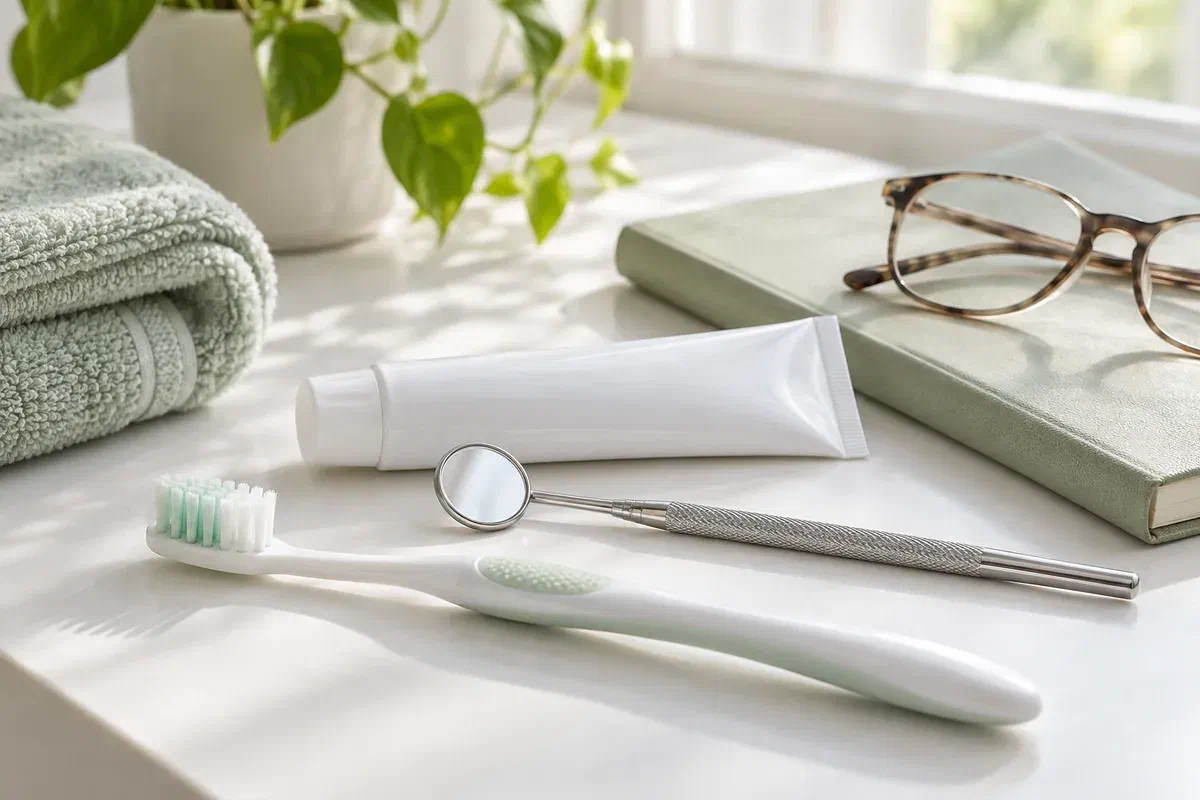
Soft toothbrush and dental care items beside a folder illustrating treatment preparation
Useful details for the first call

Tell us what hurts and when therapy begins

Mention any ache, swelling, loose crown or trouble chewing, even if it seems minor next to everything else. These details help us judge what might need attention before treatment starts.

A tooth or gum problem you have been putting off

A sore tooth, bleeding gums, a cracked filling or a denture that rubs may all matter before therapy. Let us know how long it has been going on and what makes it worse, and the dentist can weigh its importance against the time available.

Paperwork from the hospital

If the cancer centre has sent a referral or a form for the dentist, bring it along with details of the planned therapy. Radiation to the head and neck sometimes follows a dedicated dental pathway, so ask whether a hospital dental or oral medicine team is part of your care.

Anything that makes brushing harder

Fatigue, a dry mouth, limited opening or difficulty holding a brush can shape the prevention advice we give. Tell us what you can manage comfortably and whether a family member helps at home, so the plan fits real life.

Already started cancer treatment? Let the clinic know before any dental work is booked, because precautions and timing may change and some medical details may need confirming first.

The value of an early look

Sort out priorities while the calendar is still open

An early visit leaves room to treat dental problems that need attention and to check healing when that matters. It is also a chance to talk about the mouth changes linked to your particular therapy. How much time is available differs from person to person, so getting in touch promptly helps more than counting on a set number of days.

Good preparation may lessen some oral side effects, though it cannot promise they will not happen. Ask what to watch for and whom to call if something changes. When care involves several specialists and appointments in different places, having that route spelled out ahead of time saves confusion later.

Patient information: NIDCR — cancer treatments and oral health

A clear baseline

Recording what your teeth and gums look like now makes it easier to tell existing issues apart from changes that appear later. Mention any earlier head and neck radiation, relevant medicines or ongoing specialist dental care.

A plan sorted by urgency

We separate problems that need attention now from preventive steps and work that can wait. Ask how each suggested procedure relates to your treatment timeline and why it matters at this point.

Routines learned in advance

Brushing technique, suitable products, denture care and how to report new symptoms are easier to practise while you feel well than when the mouth is already tender or energy runs low.

How the assessment fits your treatment

Two teams, one connected plan

Bring your cancer team's contact details, a current medication list and any dental forms they asked you to have completed. We will confirm how information can be shared, so you are not relaying partial messages yourself.

  1. Learn about the planned therapy

    We go over the proposed treatment, its timing and your health history. Mention anything you take that could influence bone or healing, plus any earlier radiation close to the jaws. Sometimes we need more detail from the oncology team before planning procedures.

  2. Examine teeth, gums and appliances

    The exam looks for decay, infection, gum disease, broken dental work and irritation from dentures. X-rays are taken when they would help answer a specific clinical question. Describe any discomfort and any trouble eating or cleaning.

  3. Set priorities with the medical picture in mind

    Any necessary dental treatment, and when it happens, is weighed against the cancer plan. Extractions and other invasive procedures need careful thought about healing and your medical status, and specialist input may help, particularly with head and neck radiation.

  4. Follow up and plan ahead

    If treatment is done, a review may be needed to check healing. We confirm your home-care routine and who to contact during therapy. Let us know if the oncology schedule shifts, since an agreed dental plan may need another look.

In the days before therapy

A gentle, simple routine both teams agree on

Follow the instructions written for your treatment and health. When advice from different clinicians seems to conflict, ask them to sort it out instead of switching products or adjusting medicines on your own.

Look after any treated area

After a dental procedure, follow the specific instructions and come back for any review we request. Call if pain, swelling, bleeding or difficulty eating gets worse, and tell both teams if a problem lingers near your start date.

Gather the right supplies

Ask us which brush, toothpaste and other products suit you. A soft brush and a routine you can keep up are often discussed. Use prescribed fluoride or rinses exactly as directed, and check before adding strong over-the-counter products.

Keep both numbers handy

Store the oncology team's urgent advice line next to the clinic's number. If your mouth starts hurting, develops ulcers, bleeds or makes drinking difficult once treatment begins, use the reporting route you were given instead of waiting for a dental visit.

Patient information: National Cancer Institute — mouth and throat problems during treatment

Possible paths after the exam

Matching the next step to what we find

Depending on the exam and your cancer plan, the next step might be prevention, treating a specific problem or linking in a specialist service. Ask which pieces need to happen before therapy and which can wait.

When nothing needs urgent treatment

Prevention and preparation

The appointment may centre on recording findings, cleaning advice, suitable products and a follow-up plan. Even a reassuring exam is considered alongside your planned therapy and any specific requests from the hospital.

When a tooth or gum issue needs care

Treating a problem we find

A problem tooth or gum condition may be treated before therapy when timing and medical factors allow. You should hear the diagnosis, the alternatives and what healing involves. Preparing for cancer care is not a reason to remove every weak tooth.

When the therapy adds extra requirements

Working with a specialist team

Head and neck radiation, complex health needs or a tight timeline may call for a specialist dental pathway. Make sure it is clear which team handles procedures, prevention and any later complications.

What people ask us

Questions that come up before treatment

There is no need to have every detail sorted before you call our Milton team. Share what you know so far and what the oncology team has asked for, and we can plan the assessment from there.

(905) 876-4488
Can a family member come with me to the dental assessment?
Yes. Many people find it helpful to have someone along to take notes or help remember instructions. Let us know when booking if a support person will attend, and bring them into the conversation about home care if they help you day to day.
Is it too late to see a dentist if my treatment starts very soon?
Call anyway and give us the date. Even a short window can allow an assessment and a conversation about priorities, and the dental plan has to fit around the oncology schedule rather than the other way round.
Should I get my teeth whitened or have cosmetic work done before therapy?
Elective cosmetic treatment is usually a lower priority at this stage. The assessment focuses on infection, pain, broken dental work and prevention. Ask the dentist what can sensibly wait until your medical team says the time is right.
Will I need an extraction before chemotherapy?
Not necessarily. Removing a tooth is one option for a specific problem, not a routine step. The decision depends on that tooth’s condition, your medical plan and the time available, so ask why it is suggested and what else could work.
What happens if no dental problems are found?
That is useful information in itself. The visit then focuses on recording your starting point, setting up a home routine and agreeing on who to contact if mouth symptoms appear during therapy.
Do I need to tell the dentist about medicines my oncologist prescribes?
Yes. Some medicines affect bone, bleeding or healing, which can change how dental procedures are planned. Bring a current list, including any bone-strengthening medicines, and update us whenever something new is added.
Planning your visit in Milton

Let’s add your mouth to the preparation list.

Phone our Bronte Street practice with your proposed start date and anything the oncology team has requested. We can talk through the assessment, what information to gather and the sensible next step. The sooner we hear from you, the more room both teams have to work.

Please phone if therapy begins soon or something hurts. Submitting an online request does not secure a time-sensitive appointment.

Visit Milton Dental Clinic
Unit 1, 342 Bronte St. S, Milton, ON L9T 5B7
Get directions Clinic hours
Monday–Thursday
11am–7pm
Friday–Sunday
By appointment only

Areas we serve

  • Milton
  • Oakville
  • Mississauga
  • Georgetown
  • Halton Hills
  • Acton
  • Campbellville
  • Brampton
  • Burlington
  • Puslinch
  • Rockwood
  • Erin
  • Caledon
  • Etobicoke
  • Old Milton
  • Bronte Meadows
  • Timberlea
  • Dorset Park
  • Dempsey
  • Clarke
  • Beaty
  • Coates
  • Harrison
  • Scott
  • Willmott
  • Ford
  • Bowes
  • Cobden
  • Walker
  • Mountain View
  • Milton Heights
  • Hawthorne Village
  • Valley View
  • Fallingbrook
  • Nassagaweya
  • Trafalgar
  • Esquesing
  • Nelson
  • Brookville
  • Moffat
  • Glen Williams
  • Norval
  • Limehouse
  • Stewarttown
  • Ashgrove
  • Hornby
  • Silver Creek
  • Speyside
  • Scotch Block
  • North Oakville
  • River Oaks
  • Glen Abbey
  • West Oak Trails
  • Palermo
  • Bronte Creek
  • College Park
  • Joshua Creek
  • Uptown Core
  • Preserve
  • Iroquois Ridge
  • Lisgar
  • Meadowvale
  • Meadowvale Village
  • Churchill Meadows
  • Erin Mills
  • Central Erin Mills
  • Streetsville
  • East Credit
  • Creditview
  • Heartland
  • Sheridan
  • Mount Pleasant
  • Credit Valley
  • Huttonville
  • Churchville
  • Springbrook
  • Northwest Brampton
  • Bram West
  • Fletcher's Meadow
  • Fletcher's Creek South
  • Alton Village
  • Orchard
  • Millcroft
  • Headon Forest
  • Tansley
  • Brant Hills
  • Tyandaga
  • Kilbride
  • Lowville
  • Aberfoyle
  • Morriston
  • Arkell
  • Hillsburgh
  • Freelton
  • Carlisle
  • Waterdown
  • Flamborough
  • Mountsberg

How can we help?

Milton Dental Clinic

Have a question about your smile? Choose the option that works best for you.

For urgent dental concerns, please call.
Messages are reviewed during clinic hours.