

Illustrative dental consultation about health history and appointment planning
General & Family Dentistry

Dental Care for Diabetic Patients in Campbellville

If your glucose has ever dipped in a waiting room or a dental chair, you know how unsettling it can be. Coming in from Campbellville, we can plan your visit with lows, supplies and timing worked out in advance.

Campbellville · preparing for the chair

A glucose tab in your pocket and a plan on file

Lying back with your mouth open is not the easiest moment to notice the shaky, sweaty feeling of a low. For people who have had one during an appointment, the memory can make the next visit something to dread. It does not have to be that way. A few minutes of planning before treatment starts can make the whole experience calmer.

Tell us how your diabetes is managed now, what has changed recently and how lows usually show up for you. We would rather know the specifics than rely on a diagnosis on a form. A routine cleaning, gum treatment and a procedure that affects eating can each affect your day differently, and we prepare accordingly.

Rural households around Campbellville often plan errands and appointments together, which can push mealtimes around. Mention that when you book. Concerns can be raised before any treatment begins, whether that is bleeding gums, dryness or an earlier visit that went badly. Together we agree on the dental plan, any coordination with your medical team, and practical steps at home.

Plan a visit with lows in mind
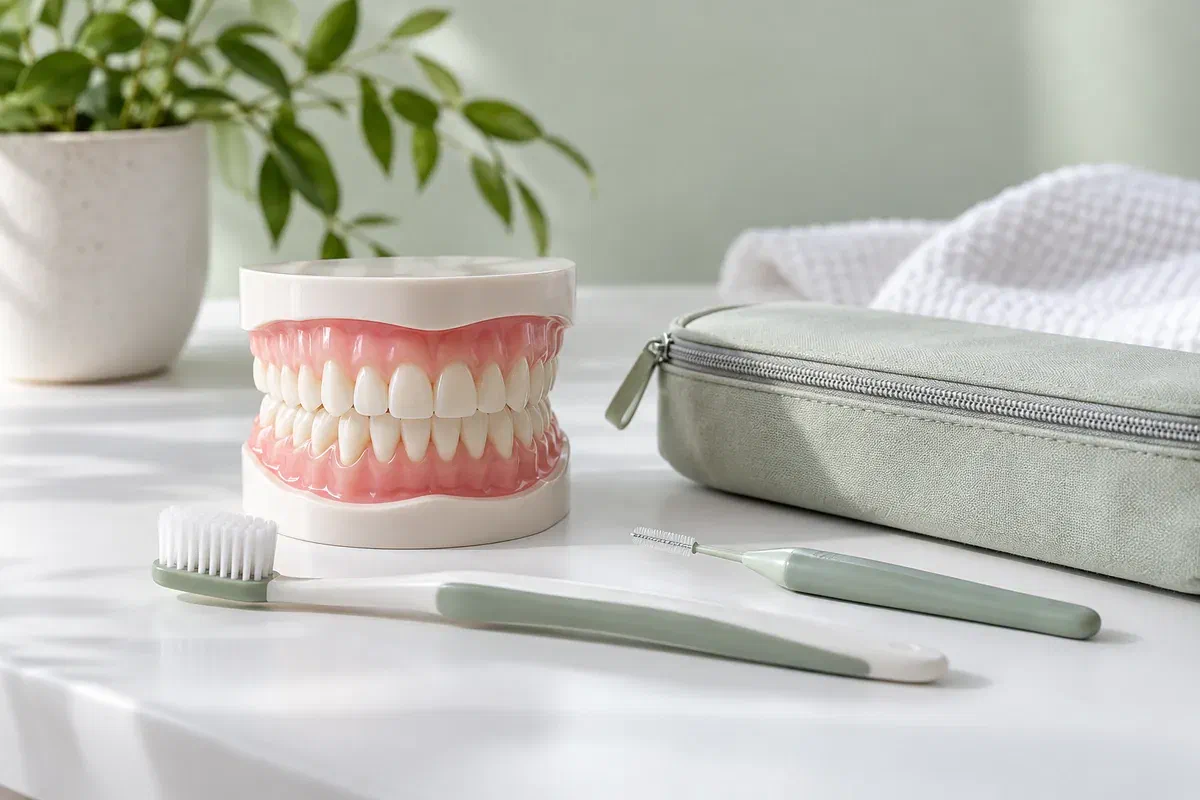
Dental model, toothbrush, interdental brush, and plain travel pouch
Raise them with us

Mouth changes and the routine around them

Discomfort is only one signal. Let us know what has changed in your mouth and whether it followed a change in your health or medicines.

Gums that bleed or recede

People with diabetes face a higher risk of gum disease, which may be more severe when glucose is hard to control. Bleeding, swelling or a tooth that feels loose should be checked. You will hear whether prevention, gum treatment or a referral is appropriate.

Dryness or tender spots

A dry mouth, a sore area that will not settle or irritation beneath a denture is worth examining. There are several possible causes. Notice when it happens and what helps, so the dentist has clues to follow.

Recent lows or new medicines

New prescriptions, insulin changes, or lows that have become more frequent should all be mentioned. Bring the current list. What is in an old dental file may not match today.

Eat your usual meal and take your medicines as normal before a routine visit; showing up on an empty stomach makes a low more likely. If treatment requires fasting, the plan must be agreed with your clinicians beforehand.

Why the details help

Calmer appointments start with good information.

Diabetes and gum disease can feed into each other. Gum inflammation may make glucose harder to manage, and diabetes can affect gum tissue and healing. Treating the gums is worthwhile for the mouth, but it is no substitute for diabetes care and comes with no promise about your numbers.

Telling us about lows and timing lets us plan a visit that runs to schedule. When a procedure might leave you numb through lunch or tender at supper, we talk about that in advance. Find out what the afternoon will look like, and ask your doctor about any short-term changes if needed. It is far easier to adjust a plan on paper than in the chair.

Patient information: NIDCR — diabetes and oral health

A gum record to build on

Your first assessment documents your gums and supporting tissues, including pocket depths and any bleeding. Over time, comparisons show which areas are improving and which need more attention. Ask to see the areas being watched, so you know where to focus at home.

Home care for rural routines

Long days, early starts, sore hands or tired eyes can all make cleaning harder. Tell us. We can show you a quick method and suggest one or two tools that fit.

Medical information when treatment calls for it

Some procedures need input from your doctor or diabetes team first; we will flag those, arrange the request and tell you which papers to have ready, so you are not guessing whether old instructions still hold.

Visit outline

Check in, check your glucose if you need to, then begin

Bring your medicines list, your meter or monitor and fast-acting sugar, and any recent diabetes information. If you have had a low at a past appointment, let us know when you book.

  1. Before we start

    We go over your reason for visiting, how your diabetes is managed and what has changed. You are welcome to check your glucose before treatment begins. Your readings form part of the conversation but are not the only factor in planning.

  2. The examination

    We look over each tooth, the gum margins, cheeks and tongue, and any denture you wear, and may recommend X-rays where they would help answer a question. Let us know about spots that are tricky to clean or symptoms that come and go.

  3. Agreeing on care

    We explain what we recommend and why, and whether your doctor's input is needed. For sedation or treatment that affects eating, the dental and diabetes plans have to work together. Medicines should only be changed by the prescriber.

  4. Afterward

    We cover aftercare, the review date and what to do if you cannot eat normally. If you feel low after treatment, follow your usual plan. Stick with your diabetes routine and seek medical advice if recovery disrupts it.

Back at home

Clean well, eat well, call early.

Your routine should support treatment and fit around farm, work or family days. If something we suggest is hard to do, uncomfortable, or seems to contradict what your doctor has told you, say so and we will rethink it together.

Daily gumline cleaning

Brush with fluoride toothpaste and clean between teeth with a method that works for you. We can show you how to reach difficult spots. If bleeding continues or cleaning hurts, ask us rather than avoiding the area.

Dryness and medicines

Less saliva means less natural protection, so decay and soreness become more likely. Ask which rinses, gels or sugar-free options might help, and list every medicine you take, since some contribute to dryness. Any decision to change a prescription belongs with the doctor who wrote it, and advice about drinking more should fit the medical guidance you already have.

Keep your next review

Follow-up visits check gum response, healing or prevention. If pain worsens, swelling appears or a denture rubs, call before setting out so we can advise whether you should come in.

After the exam

Three routes, depending on your mouth

Having diabetes does not set your treatment or appointment schedule. Ask what was found, how it led to the recommendation and how progress will be checked.

When things look healthy

Ongoing prevention

The work here is mostly yours and ours together: thorough daily cleaning, fluoride to guard against decay, and check-ups spaced to match your risk. Mention practical difficulties even with a good exam, because they tend to show up later as problems. Prevention should change if your mouth or health does.

When the gums need treatment

Gum care

Targeted gum treatment and reassessment may be needed, possibly with a periodontist. Ask what it should improve and how your cleaning supports it. It supports oral health without replacing diabetes care.

When one area is the problem

Tooth or appliance repair

A damaged tooth or a sore appliance is assessed on its own terms, with options laid out. Your health may affect treatment and healing. Ask about eating limits and follow-up before you decide.

Questions about lows and dental visits

Feeling prepared, not anxious

Bring up meals, medicines, comfort and recovery early. These are general answers, and the dentist and your diabetes team will confirm anything specific to your treatment.

(905) 876-4488
Can I check my blood sugar in the dental chair?
Yes. You are welcome to check before treatment starts or ask for a pause if you feel off. Bring your meter or monitor and tell us how you prefer to handle it.
What happens if I go low in the middle of treatment?
Tell the team right away, even if your mouth is numb or you can only signal. Treatment can pause while you follow your usual plan for a low. Bring your fast-acting sugar so it is close at hand.
Does local anaesthetic affect my blood sugar?
Routine local anaesthetic is used for many patients with diabetes. If you have questions about how it might affect you, raise them with the dentist and your diabetes team before the appointment.
Is it okay to have a small snack in the waiting room?
If you need it to stay in range, yes. Follow your usual plan. Let us know if you have just eaten so we can make sure your mouth is ready for the exam.
Should I avoid booking an early appointment?
That depends on how your mornings usually go. Pick a time that lets you eat and take medicines normally. Tell us what works best when you book.
Do antibiotics have to be given before treatment because of diabetes?
No single rule applies. The dentist considers your diagnosis, the planned treatment and your health. Antibiotics are prescribed only for specific reasons, never from leftovers.
Booking from Campbellville

Bring your supplies, and we will bring the plan.

Get in touch with our Bronte Street team about the dental issue and anything about lows or timing we should know. We will set up an assessment and tell you what to have with you. Knowing your routine helps us keep the visit on track.

Note any recent change in your diabetes care when you book. For pain or swelling, ring the clinic before driving in.

Visit Milton Dental Clinic
Unit 1, 342 Bronte St. S, Milton, ON L9T 5B7
Get directions Clinic hours
Monday–Thursday
11am–7pm
Friday–Sunday
By appointment only

Areas we serve

  • Milton
  • Oakville
  • Mississauga
  • Georgetown
  • Halton Hills
  • Acton
  • Campbellville
  • Brampton
  • Burlington
  • Puslinch
  • Rockwood
  • Erin
  • Caledon
  • Etobicoke
  • Old Milton
  • Bronte Meadows
  • Timberlea
  • Dorset Park
  • Dempsey
  • Clarke
  • Beaty
  • Coates
  • Harrison
  • Scott
  • Willmott
  • Ford
  • Bowes
  • Cobden
  • Walker
  • Mountain View
  • Milton Heights
  • Hawthorne Village
  • Valley View
  • Fallingbrook
  • Nassagaweya
  • Trafalgar
  • Esquesing
  • Nelson
  • Brookville
  • Moffat
  • Glen Williams
  • Norval
  • Limehouse
  • Stewarttown
  • Ashgrove
  • Hornby
  • Silver Creek
  • Speyside
  • Scotch Block
  • North Oakville
  • River Oaks
  • Glen Abbey
  • West Oak Trails
  • Palermo
  • Bronte Creek
  • College Park
  • Joshua Creek
  • Uptown Core
  • Preserve
  • Iroquois Ridge
  • Lisgar
  • Meadowvale
  • Meadowvale Village
  • Churchill Meadows
  • Erin Mills
  • Central Erin Mills
  • Streetsville
  • East Credit
  • Creditview
  • Heartland
  • Sheridan
  • Mount Pleasant
  • Credit Valley
  • Huttonville
  • Churchville
  • Springbrook
  • Northwest Brampton
  • Bram West
  • Fletcher's Meadow
  • Fletcher's Creek South
  • Alton Village
  • Orchard
  • Millcroft
  • Headon Forest
  • Tansley
  • Brant Hills
  • Tyandaga
  • Kilbride
  • Lowville
  • Aberfoyle
  • Morriston
  • Arkell
  • Hillsburgh
  • Freelton
  • Carlisle
  • Waterdown
  • Flamborough
  • Mountsberg

How can we help?

Milton Dental Clinic

Have a question about your smile? Choose the option that works best for you.

For urgent dental concerns, please call.
Messages are reviewed during clinic hours.