

Illustrative dental consultation about health history and appointment planning
General & Family Dentistry

Dental Care for Diabetic Patients in Mississauga

Waking with a parched mouth, needing water to get through a meal, or noticing new sensitivity can all matter when you have diabetes. For Mississauga adults, our team checks dryness, gums and teeth in the context of your health.

Dryness, gums and diabetes · Mississauga

That dry feeling in the morning is worth mentioning.

A dry mouth is easy to shrug off. You keep a glass of water by the bed, sip through the day and get on with things. Yet saliva does a lot of quiet work protecting teeth and gums, and when it runs low, cavities and soreness can follow. Diabetes, some medicines and other factors can all play a part, which is why it deserves a conversation.

During a visit, we want to know how your diabetes is managed today and what has changed recently, from a new prescription to different advice from your care team. A diagnosis on paper does not tell us much on its own. A regular check-up, gum treatment and a procedure that affects eating each come with their own questions, and we plan with that in mind.

People reach us from western Mississauga neighbourhoods such as Meadowvale and Churchill Meadows, often fitting a visit between work and family commitments. Before any treatment, you can ask questions, describe dryness or bleeding, and tell us about a past appointment that left you uneasy. We will explain the dental plan, any medical coordination needed, and home care that fits.

Ask about dryness and diabetes
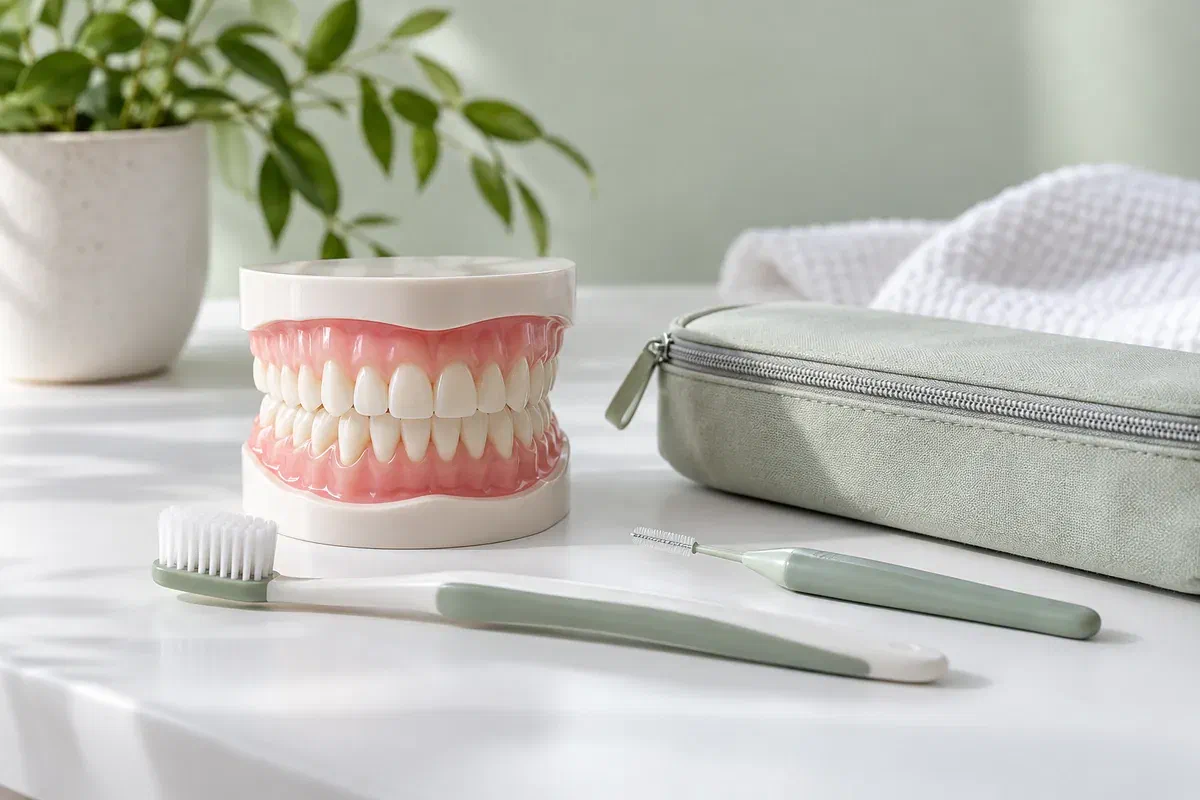
Dental model, toothbrush, interdental brush, and plain travel pouch
Things to tell us

Three changes that are easy to overlook

Pain is only one reason to come in. Tell us about differences in moisture, comfort, cleaning, chewing or healing, and whether they appeared around a change in your health or medicines.

Puffy, bleeding or receding gums

Gum disease is more common in people with diabetes and may be more severe when glucose is not well controlled. Bleeding, puffiness or a tooth that feels looser should be examined. The dentist can explain whether prevention, gum treatment or a specialist opinion makes sense.

Ongoing dryness or a burning feeling

A mouth that stays dry, a tongue that feels sore, or tender areas under an appliance should be checked. Several causes are possible, and diabetes is only one. Note what time of day it is worst and what brings relief so the cause can be explored.

Recent medical changes

Some medicines can contribute to dryness, so a new prescription is worth mentioning. So are recent lows and any appointment advice from your diabetes team. Bring the current list, as an older dental record may be out of date.

Eat and take your diabetes medicines as you normally would before a routine visit. Where a procedure would require fasting or restrict eating afterward, arrange a coordinated plan with your clinicians in advance.

Why it is worth connecting

Saliva, gums and glucose are more linked than they look.

Diabetes can affect the gums and how they heal, and gum disease may make glucose harder to keep steady. Dryness adds another layer, since a low flow of saliva leaves teeth less protected. Treating these problems helps your mouth, but it is no replacement for diabetes care and carries no promise about your readings.

Planning also makes appointments easier. If treatment might affect eating, comfort or your plans for the day, we can discuss it beforehand. Ask what to expect once it is done and whether your doctor or diabetes team should help with temporary adjustments.

Patient information: NIDCR — diabetes and oral health

A clear starting point

We record the health of your gums and supporting tissues, along with signs of dryness or early decay. Comparing future visits against that record shows what is changing. Ask which areas the team wants to keep an eye on.

Practical tips, not a long list

Sore hands, eyesight, fatigue or a busy week can all make cleaning hard, so mention them. Suggestions should fit your real routine. One or two changes, demonstrated in the chair, are often easier to keep up than many new products.

Medical coordination where relevant

For certain treatments, the dentist may want input from your doctor or diabetes team. You will know who will ask for it and what you need to provide. Do not assume an instruction from a past procedure carries over.

During your visit

A walk through the appointment

Please bring your list of medicines, recent diabetes information and an idea of your daily routine. If your glucose has ever dropped during a dental visit, tell us so the appointment can be planned around it.

  1. Review your health

    We go over the reason for your visit, how you manage diabetes, other conditions and anything recent. The dentist may ask about glucose patterns or test results. These feed into an individual assessment instead of acting as one deciding figure.

  2. Look at the whole mouth

    We examine gums, teeth, the tongue and soft tissues, and any dentures or appliances, watching for signs of dryness. X-rays are taken if they would answer a clinical question. Mention areas that are tricky to clean or feel uncomfortable on and off.

  3. Set out the plan

    We explain what is recommended, why, and whether advice from your medical team is needed first. Sedation, or treatment that will make eating harder, means both plans need to fit together. Your medicines should only be changed by the clinician who prescribes them.

  4. Arrange healing and follow-up

    You will leave knowing how to care for the area and when your gums or healing will be reviewed. We will tell you whom to call if you struggle to eat or symptoms grow worse. Continue your diabetes plan and get medical advice if recovery interferes.

Protecting a dry mouth

Moisture, fluoride and a regular routine

Home care should support any treatment and be simple to maintain. If a suggestion conflicts with your abilities, symptoms or medical instructions, let us know so it can be adjusted.

Clean carefully at the gumline

A fluoride toothpaste and a daily between-teeth clean are the foundation. We can show you how to reach awkward spots. If bleeding does not settle or cleaning hurts, book advice rather than leaving the area alone or brushing harder.

Manage dryness with advice

Because a dry mouth raises the risk of decay and soreness, ask which moisturizing or protective products might suit you, and share your full medicine list. Never stop a prescribed medicine on your own, and make sure fluid advice fits any medical limits you have.

Keep follow-ups on the calendar

A review may check how your gums responded, how healing is going or whether prevention needs a change. Timing depends on what was found. Get in touch sooner if pain builds after treatment, swelling appears or an appliance begins rubbing.

Choosing a direction

Same condition, different plans

Diabetes does not mean everyone gets the same dental care or visit frequency. Ask which findings support the recommendation and what the team will check to see whether it is working.

When protecting your current health is the aim

Prevention and check-ups

Your plan may focus on cleaning, preventing decay in a drier mouth and a sensible review interval. Mention symptoms or practical hurdles even if the exam is reassuring. Prevention should adapt when your mouth or health changes.

When gum tissue needs treatment

Care for the gums

Gum findings may call for targeted treatment and reassessment, with a periodontist involved if appropriate. Ask what the treatment is meant to improve and what you can do at home. It supports oral health and does not replace diabetes management.

When a tooth or appliance needs attention

Fillings, repairs and appliances

A new cavity, a broken tooth or a sore appliance needs its own diagnosis and options. Your health may be relevant to the procedure and recovery. Discuss how eating might be affected and what follow-up looks like before you decide.

Asked and answered

Dry mouth, cavities and other common questions

Questions about food, medicines, comfort or healing are best raised early. The answers here are general, and the detailed instructions for your treatment should come directly from your own clinicians.

(905) 876-4488
Why does my mouth feel so dry when I have diabetes?
Dryness can be linked to glucose levels, certain medicines, breathing through the mouth and other factors. It is worth describing at your visit. The dentist can look for effects on the teeth and gums and suggest ways to protect them.
Can a dry mouth lead to more cavities?
It can. Saliva helps wash away food and neutralize acids, so less of it may leave teeth more vulnerable. Fluoride, good daily cleaning and regular checks are common ways to reduce the risk.
Is it safe to use sugar-free gum or lozenges for dryness?
Many people find sugar-free options helpful for stimulating saliva. Ask the dentist which products suit you, and check that anything you use fits your diabetes plan and any other medical advice.
Should I change my medicines if they make my mouth dry?
No, not on your own. Tell the dentist which medicines you take, and raise the dryness with the doctor who prescribes them. They can decide whether anything should change.
Do I need to stop eating before a cleaning?
No. A routine cleaning or check-up does not require fasting. Follow your usual diabetes routine. If a different procedure involves sedation or fasting, the meal and medicine plan needs to be agreed in advance.
Will gum treatment bring my glucose down?
Treating gum disease is good for your mouth and may relate to the broader link between inflammation and glucose, but it is not a diabetes treatment. Keep following your prescribed plan, and never adjust medicines based on a dental result.
Visiting from Mississauga

Start with a conversation about how your mouth feels.

Contact our Bronte Street practice about your dental concern and any appointment needs that come with diabetes. We can arrange an assessment and explain what to bring. Telling us about your routine helps us make each step easier to follow.

Let us know about your diabetes and any recent management changes when booking. Call directly if pain, swelling or another urgent problem needs dental advice.

Visit Milton Dental Clinic
Unit 1, 342 Bronte St. S, Milton, ON L9T 5B7
Get directions Clinic hours
Monday–Thursday
11am–7pm
Friday–Sunday
By appointment only

Areas we serve

  • Milton
  • Oakville
  • Mississauga
  • Georgetown
  • Halton Hills
  • Acton
  • Campbellville
  • Brampton
  • Burlington
  • Puslinch
  • Rockwood
  • Erin
  • Caledon
  • Etobicoke
  • Old Milton
  • Bronte Meadows
  • Timberlea
  • Dorset Park
  • Dempsey
  • Clarke
  • Beaty
  • Coates
  • Harrison
  • Scott
  • Willmott
  • Ford
  • Bowes
  • Cobden
  • Walker
  • Mountain View
  • Milton Heights
  • Hawthorne Village
  • Valley View
  • Fallingbrook
  • Nassagaweya
  • Trafalgar
  • Esquesing
  • Nelson
  • Brookville
  • Moffat
  • Glen Williams
  • Norval
  • Limehouse
  • Stewarttown
  • Ashgrove
  • Hornby
  • Silver Creek
  • Speyside
  • Scotch Block
  • North Oakville
  • River Oaks
  • Glen Abbey
  • West Oak Trails
  • Palermo
  • Bronte Creek
  • College Park
  • Joshua Creek
  • Uptown Core
  • Preserve
  • Iroquois Ridge
  • Lisgar
  • Meadowvale
  • Meadowvale Village
  • Churchill Meadows
  • Erin Mills
  • Central Erin Mills
  • Streetsville
  • East Credit
  • Creditview
  • Heartland
  • Sheridan
  • Mount Pleasant
  • Credit Valley
  • Huttonville
  • Churchville
  • Springbrook
  • Northwest Brampton
  • Bram West
  • Fletcher's Meadow
  • Fletcher's Creek South
  • Alton Village
  • Orchard
  • Millcroft
  • Headon Forest
  • Tansley
  • Brant Hills
  • Tyandaga
  • Kilbride
  • Lowville
  • Aberfoyle
  • Morriston
  • Arkell
  • Hillsburgh
  • Freelton
  • Carlisle
  • Waterdown
  • Flamborough
  • Mountsberg

How can we help?

Milton Dental Clinic

Have a question about your smile? Choose the option that works best for you.

For urgent dental concerns, please call.
Messages are reviewed during clinic hours.