

Illustrative dental consultation about health history and appointment planning
General & Family Dentistry

Dental Care for Diabetic Patients in Puslinch

Long working days and a drive into town mean dental visits tend to get pushed back, and diabetes adds meals and medicines to plan around. For Puslinch households, we help group care sensibly and keep each visit focused.

Rural routines in Puslinch

Busy season or not, your gums keep score.

When the work does not stop at five o'clock, a dental check-up is an easy thing to postpone. Add diabetes, with its own appointments, prescriptions and meal timing, and months can slip by. The trouble is that gum changes tend to progress quietly, and by the time something hurts, the fix is usually bigger than it needed to be.

A visit with us begins with how your diabetes is handled day to day and what has shifted recently. We do not assume much from the word on a form. A check-up might take one visit, while gum care or a procedure that leaves you chewing gingerly may need more thought about timing, food and the work you have lined up afterward.

Households in Puslinch often try to fit several errands, and sometimes several family members, into one trip into Milton. We can work with that. Tell us about bleeding gums, dryness or a rough experience in the past before you agree to anything. You will leave with a plan, a note of any medical input needed, and a home routine that does not take long.

Fit a dental visit into a full week
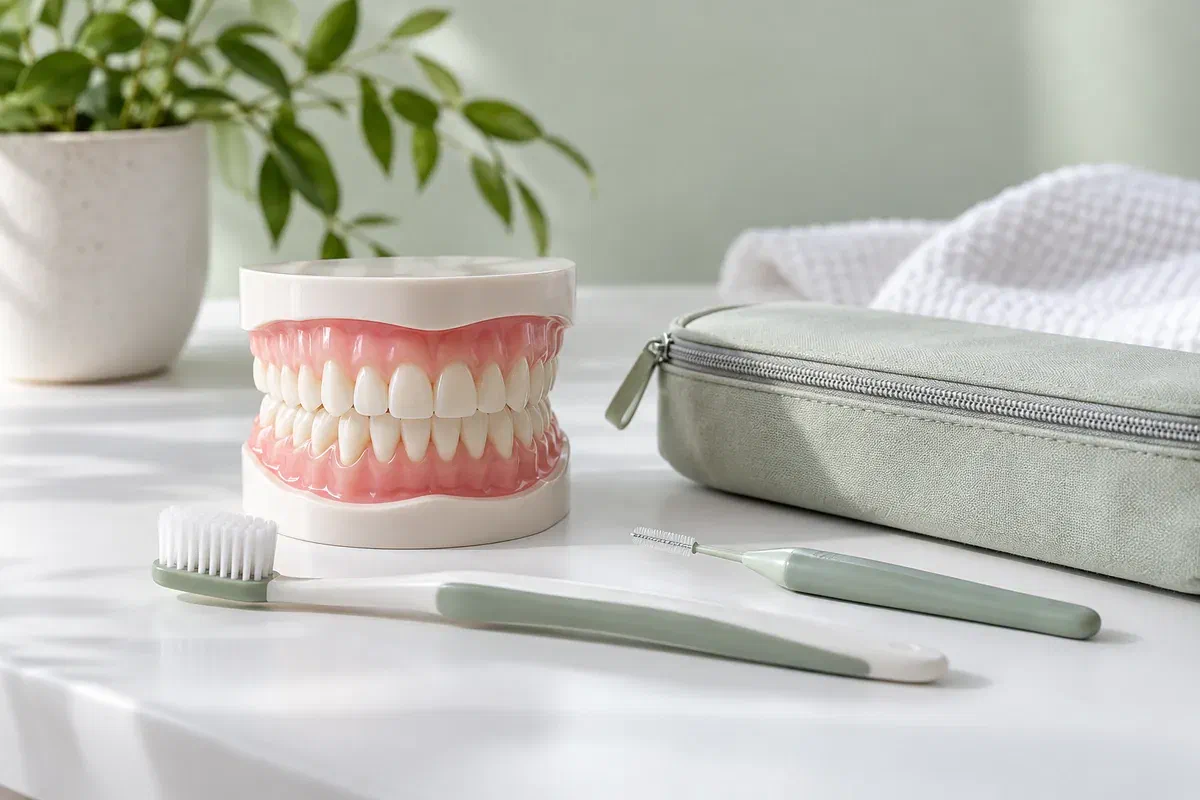
Dental model, toothbrush, interdental brush, and plain travel pouch
Before it turns into a bigger job

What to mention, even if nothing hurts yet

Waiting for pain often means waiting too long. Describe anything that feels different in your mouth, and tell us if it started around the time your health or medicines changed.

Bleeding gums or a wobble

Gum disease is more common in diabetes and can advance more quickly when glucose has been running high. Spotting on the brush, swollen gum edges or a tooth that moves slightly when you bite are reasons to book. The dentist can then explain whether prevention, gum therapy or a specialist is the right path.

Dry mouth after long days outdoors

Dryness may come from glucose levels, medicines, heat, mouth breathing or simply not drinking enough while working. A sore spot or denture irritation can also creep in. Describe when it is worst so the possible causes can be sorted through rather than guessed at.

Prescription or routine changes

Mention new medicines, recent lows, or advice from your diabetes team that touches on appointments or meals. Bring the list from your pharmacy, as our records may only reflect your last visit.

On the day of a routine appointment, have your normal meal and take your diabetes medicines as prescribed. Fasting is only relevant for certain procedures, and in that case your medicine and meal timing should be agreed with your clinicians beforehand.

Why it is worth making time

Small checks now can prevent bigger trips later.

Diabetes and the gums influence each other. Persistent gum inflammation can push glucose control in the wrong direction, while diabetes can leave gum tissue more vulnerable and slower to recover. Looking after the gums protects your teeth. It is not a stand-in for diabetes treatment, though, and it cannot promise an improvement in your readings.

Planning around your diabetes also keeps the visit from derailing the rest of the day. Before a procedure that might make eating awkward, we will tell you how long the effects usually last and what you might want to arrange at home. If temporary medicine or meal changes seem likely, your doctor should be part of that decision.

Patient information: NIDCR — diabetes and oral health

One clear snapshot of your gums

A careful gum assessment sets a baseline you can measure against. If you can only come in a couple of times a year, those comparisons make each visit more useful. Ask what has changed since last time.

Home care that takes minutes

Rough hands, poor lighting in the evening, or simple exhaustion can make a long routine unrealistic. We will focus on the steps that matter most and show you a quick, effective way to do them.

Paperwork sorted before treatment day

When a procedure calls for a note or advice from the people managing your diabetes, we aim to organize it in advance so you do not lose a trip. You will know who is asking for it and whether you need to bring anything.

Making each appointment count

A focused visit, start to finish

Have your medicine list, any recent diabetes results and a rough idea of your meal and work schedule. If your glucose has ever dropped during a dental visit, mention it when booking.

  1. A short health catch-up

    We cover why you have come in, how you manage diabetes, other conditions and anything new. You might be asked how stable your glucose has been lately; that detail sits alongside everything else and does not decide treatment on its own.

  2. Examine and image if needed

    We check the teeth, gums, the inside of the cheeks and tongue, and any appliance. If a radiograph would answer a question that the eye cannot, we will suggest one. Mention spots that bleed or are hard to reach.

  3. Prioritize and group treatment

    We explain what is recommended, why, and whether your doctor's advice is needed. Where it is sensible, work can be grouped to save trips. Sedation or treatment that affects eating requires the dental and diabetes plans to agree, and only your prescriber should alter medicines.

  4. Leave with a plan for the week

    We go over aftercare, how to look after the area during a working day and when the review will be. If you cannot eat properly or symptoms worsen, phone us. Your usual diabetes routine continues; if recovery disrupts it, your doctor is the one to advise.

Care between trips

Five minutes a day goes a long way.

Home care should back up treatment and be quick enough to keep doing. If a suggestion does not suit your hands, your schedule or the instructions you already follow, tell us so we can rethink it.

Brush and clean between teeth, every day

Fluoride toothpaste and one simple between-teeth method are the essentials. Keep the tools where you will see them. If bleeding hangs on or cleaning hurts, check in with us rather than skipping that side or scrubbing harder.

Keep water and saliva on your side

Dryness makes decay and soreness more likely. Ask which products could help and share your full medicine list. Prescriptions should only be changed by the doctor who wrote them, and any advice about drinking more should match the limits your medical team has set.

Book the next visit before you leave

Your review checks how the gums responded, how healing is going or whether prevention needs adjusting. Scheduling it on the spot helps it happen. Call before then if pain increases, swelling appears or an appliance starts to rub.

What the visit may lead to

Maintain, treat the gums or repair a tooth

Diabetes does not dictate one kind of dental plan. Ask what the dentist saw, why it points to a particular option and how you will know whether it is working.

When your mouth is holding steady

Staying ahead with prevention

Regular cleaning, fluoride and check-ups spaced to suit your risk may be all you need. Mention anything that makes your routine difficult, even after a good result. Prevention should be updated whenever your health or mouth changes.

When gum tissue needs active treatment

Gum therapy

Targeted gum treatment followed by a recheck may be advised, sometimes with a periodontist. Ask what it is meant to improve and how much depends on daily cleaning. It supports oral health and runs alongside diabetes care.

When a tooth or appliance has a problem

Fixing what is broken

A cracked tooth or a denture that hurts is looked at individually, and your health can shape both the procedure and recovery. Ask how long chewing may be limited and how many visits are involved, so you can plan around work.

Practical questions

Fitting dental care into working life

Questions about meals, medicines, comfort and recovery are best asked before treatment. These answers are general; the dentist and your diabetes team will give instructions for anything specific.

(905) 876-4488
Can I book check-ups for several family members on the same day?
Often, yes. Let us know who needs to be seen when you call, and we can look at back-to-back times. Mention the person with diabetes so their visit can be planned around meals and medicines.
Can I go back to work after dental treatment?
After many routine treatments, people return to normal activities. After sedation, you will need someone to drive and should rest. Ask what to expect for your procedure, and plan meals that suit a tender mouth.
Is it all right to space my check-ups further apart if my gums are healthy?
The interval depends on your gum health, cavity risk and how stable things are. With diabetes, the dentist may recommend more frequent checks at first. That can change as your situation becomes clearer.
Why does my mouth feel drier during busy working weeks?
Long hours, heat, not drinking enough and some medicines can all contribute, and glucose levels may play a part. Mention it at your visit so the dentist can look for effects and suggest protection.
Should I adjust my medicines if I know a procedure will make eating hard?
Not on your own. Ask the dentist what eating limits to expect, then talk to your diabetes team about whether any changes are needed. Make sure you know how to reach them if recovery is harder than expected.
Does having diabetes mean every dental infection needs antibiotics?
No. The dentist considers the specific diagnosis and treatment. Antibiotics are prescribed for particular reasons, and leftover tablets should not be used without a new prescription.
Puslinch to Bronte Street

Pick a slot that suits the week ahead.

Give our Bronte Street team a brief outline of the dental concern, how your diabetes is managed and when you can realistically come in. We will suggest a sensible first visit and tell you what to bring. Knowing your schedule helps us keep things efficient.

Recent diabetes changes are worth adding to your request. Pain or swelling? A phone call gets advice faster.

Visit Milton Dental Clinic
Unit 1, 342 Bronte St. S, Milton, ON L9T 5B7
Get directions Clinic hours
Monday–Thursday
11am–7pm
Friday–Sunday
By appointment only

Areas we serve

  • Milton
  • Oakville
  • Mississauga
  • Georgetown
  • Halton Hills
  • Acton
  • Campbellville
  • Brampton
  • Burlington
  • Puslinch
  • Rockwood
  • Erin
  • Caledon
  • Etobicoke
  • Old Milton
  • Bronte Meadows
  • Timberlea
  • Dorset Park
  • Dempsey
  • Clarke
  • Beaty
  • Coates
  • Harrison
  • Scott
  • Willmott
  • Ford
  • Bowes
  • Cobden
  • Walker
  • Mountain View
  • Milton Heights
  • Hawthorne Village
  • Valley View
  • Fallingbrook
  • Nassagaweya
  • Trafalgar
  • Esquesing
  • Nelson
  • Brookville
  • Moffat
  • Glen Williams
  • Norval
  • Limehouse
  • Stewarttown
  • Ashgrove
  • Hornby
  • Silver Creek
  • Speyside
  • Scotch Block
  • North Oakville
  • River Oaks
  • Glen Abbey
  • West Oak Trails
  • Palermo
  • Bronte Creek
  • College Park
  • Joshua Creek
  • Uptown Core
  • Preserve
  • Iroquois Ridge
  • Lisgar
  • Meadowvale
  • Meadowvale Village
  • Churchill Meadows
  • Erin Mills
  • Central Erin Mills
  • Streetsville
  • East Credit
  • Creditview
  • Heartland
  • Sheridan
  • Mount Pleasant
  • Credit Valley
  • Huttonville
  • Churchville
  • Springbrook
  • Northwest Brampton
  • Bram West
  • Fletcher's Meadow
  • Fletcher's Creek South
  • Alton Village
  • Orchard
  • Millcroft
  • Headon Forest
  • Tansley
  • Brant Hills
  • Tyandaga
  • Kilbride
  • Lowville
  • Aberfoyle
  • Morriston
  • Arkell
  • Hillsburgh
  • Freelton
  • Carlisle
  • Waterdown
  • Flamborough
  • Mountsberg

How can we help?

Milton Dental Clinic

Have a question about your smile? Choose the option that works best for you.

For urgent dental concerns, please call.
Messages are reviewed during clinic hours.