

Illustrative conversation between an older adult and a dental clinician
General & Family Dentistry

Dental Care for Older Adults in Caledon

Energy is limited and the calendar is full of other appointments. For older adults travelling from Bolton and the rest of Caledon, we pace dental treatment sensibly, explaining each stage and what recovery may involve.

Caledon · pacing treatment to your energy

One stage at a time

A long treatment list can feel overwhelming when you already juggle a cardiologist, physiotherapy and a pharmacy run. The good news is that dental care rarely has to happen all at once. Many plans can be broken into stages, with the most important work first and the rest arranged when you have the energy for it.

Deciding what comes first depends on your mouth and health, not on a number. We examine teeth, gums, existing dental work and any denture, take your medical conditions and medicines into account, and ask what you most want to improve. That way, the pace of treatment reflects both clinical need and what you can comfortably manage.

Many people come from Caledon with a family member driving, and they are welcome to sit in if you would like. Say how involved you want them to be. If you need extra time, a particular chair position, or support with hearing, sight or communication, let us know when you book.

Plan care at your own pace
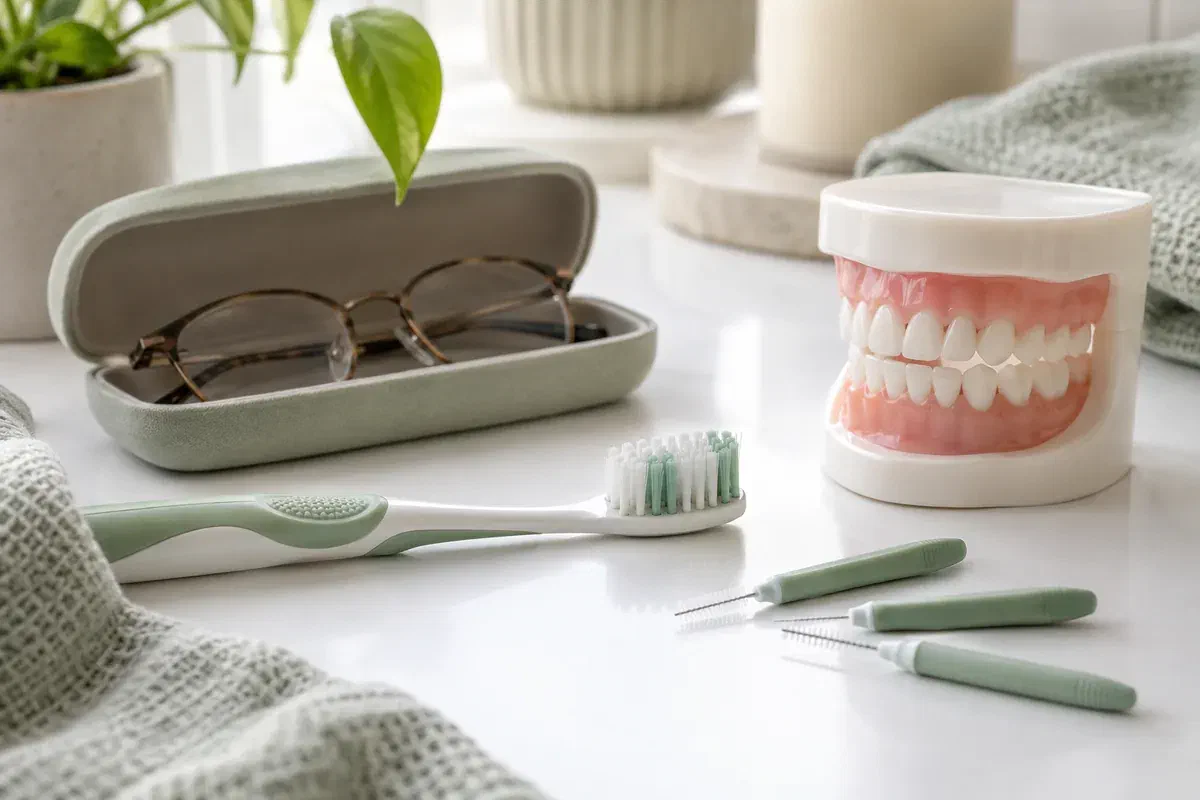
Easy-grip toothbrush, interdental brushes, dental model, and reading glasses
Reasons to start the conversation

Signs that should go to the top of the list

Knowing which concerns matter most helps decide what to tackle first. Mention discomfort, changes in function and any tasks that have become harder, even without severe pain.

Older restorations that need a look

Crowns, bridges and fillings that have served you well can still wear, crack or develop decay at the edge. Food trapping, a rough spot or a changed bite are worth reporting. The dentist examines the area and explains how urgent it is, which helps set the order of treatment.

Ongoing dryness or a sore area

A dry mouth that does not improve is often linked to medicines or medical conditions and can affect both comfort and decay risk. It is not a given in later life. A sore patch, burning feeling or changed-looking tissue also deserves examination rather than repeated home remedies.

Daily care or a denture getting harder

Fatigue, stiff joints or poorer eyesight can make cleaning a chore. A denture that rubs or shifts adds to the strain. Describe which part has become difficult and when discomfort arises, so the appliance and supporting gums can be looked at side by side.

Some signs jump the queue no matter how a plan is staged. A sore that stubbornly stays put, a lump you have just noticed, bleeding you cannot explain, or a change in chewing or swallowing should prompt a call for assessment.

Why staging can help

Progress without exhaustion

A staged plan starts by agreeing on priorities. Relieving discomfort or treating active disease often comes first, followed by work that improves function or makes daily care easier. Each step should come with a clear reason, an idea of what it will achieve, and what upkeep it will need once it is done.

Ask about each stage’s practical demands: the number and length of appointments, what recovery might involve, costs and whether someone should take you home. You can also ask what happens if a later stage is delayed. Options should be set out so you can weigh them, never on the assumption that one approach suits every person of a certain age.

Clarity about what can wait

The dentist can explain which restorations are sound and which need attention, and how urgently. That makes it easier to schedule treatment around your health. An old filling that is still sound does not need to go simply because of its age.

Home care that eases the load

A routine suited to your hands and energy keeps the mouth healthier between stages. The team can suggest easier brushes, interdental aids and techniques, and show a helper how to support you as you prefer.

Stages that can be rearranged

If your health or circumstances change, the order or timing of treatment may be adjusted. Tell us when a planned step no longer feels manageable, and the options can be explained again before you decide.

Planning visit

From full picture to first step

Bring a current list of medicines, news of recent medical appointments or procedures, and any dentures or appliances. If you have upcoming surgery or treatment elsewhere, mention it, as it may affect timing.

  1. Understand your health and schedule

    We ask what brought you in and go over your medical background, prescriptions and any upcoming medical care. We also learn how eating, cleaning and appliance use are going. Tell us about hearing, vision, seating or communication needs.

  2. Examine the whole mouth

    The dentist looks at gums, natural teeth, existing work and the areas supporting any denture. Radiographs may be advised when they would help answer a particular question. If a symptom only appears now and then, describe it anyway, because it may be absent during the appointment.

  3. Map out stages and their demands

    Reasonable options are explained with benefits, limits, costs, visit numbers and expected recovery for each stage. If your physician or a specialist needs to be consulted, the reason and the effect on timing will be explained.

  4. Agree on the first stage

    Confirm what happens first, the home-care steps in the meantime and when the next stage might follow. Written notes can be provided. A family member can help with scheduling if you wish, and you remain involved in every decision.

Between stages

Steady home care keeps the plan on track

Daily care should suit your natural teeth, dental work and any appliance at each stage of treatment. Learning the most important steps hands-on saves energy compared with experimenting on your own.

Keep cleaning efficient

Fluoride toothpaste protects natural teeth, and cleaning between them matters too. Choose aids that need the least effort for the best result, such as a powered brush or a larger handle. Show us your routine so the advice fits.

Look after a denture between visits

Clean it according to its material and clean your gums as well. Ask about daily wearing time and rest. If a temporary or current denture rubs, let us know rather than relying on adhesive to get through.

Note dryness and medicine changes

Treatment elsewhere may bring new medicines that dry the mouth. Note when dryness began and tell us. Easing it and protecting teeth can then be discussed. Do not alter a prescription without medical advice, and mention any fluid restrictions.

Patient information: NIDCR — understanding persistent dry mouth · NIDCR — oral health resources for older adults

Approaches to consider

Balance the benefit against the effort

Some plans focus on keeping what works, some on solving one problem, and some on improving an appliance. Each has a different cost in visits, recovery and upkeep, and that belongs in the comparison.

When function is comfortable

Maintain and monitor

The plan supports natural teeth and current restorations through good cleaning, prevention and regular review, with minimal disruption. You will know what would change that. Comfort is welcome news, but examinations still matter.

When a problem needs addressing first

Prioritised treatment

A painful tooth, gum disease or a failing restoration may be tackled as the first stage. Ask about conservative options, how long results tend to last and the follow-up needed. The plan follows the findings and your health, not your age.

When missing teeth affect daily life

Staged tooth replacement

Adjusting a current denture may come first, with other replacement options considered later if wanted. What is suitable depends on the examination, your general health, preferences and upkeep. Tell us which everyday tasks you most want to make easier.

Pacing questions

How fast should treatment go?

You can ask about alternatives, sequencing and the reasons behind each recommendation. A written list, or a family member to listen with you, can help.

(905) 876-4488
Is it possible to spread a treatment plan over several months?
Often, yes. Some problems need prompt attention, while others can safely be scheduled later. The dentist can explain which steps are urgent and which can wait, and how a gap between stages might affect the outcome.
How much recovery time does dental treatment usually need?
It varies widely. Many routine treatments need little recovery, while extractions or longer procedures may need more rest. Ask about each step in your plan so you can arrange support and avoid clashing with other appointments.
Should my doctor be consulted before dental treatment?
Sometimes. Certain health conditions, medicines or recent procedures may make medical input sensible. The dentist will tell you if that applies and why. Keep the team updated on any changes in your health.
What happens if I need to pause treatment partway through?
Tell us as soon as you can. The dentist can explain whether any temporary measures are needed and what the pause might mean. The plan can then be adjusted when you are ready to continue.
Is there a time of day that suits people who tire easily?
That depends on your own energy pattern. We are open Monday to Thursday from 11 am to 7 pm, and Friday to Sunday by appointment. Tell us when you usually feel best, and the team will try to match it.
How can I plan treatment stages around the trip from Caledon?
Share the days your driver is available and any upcoming medical appointments. Ask whether stages can be grouped or spaced to reduce travel. If a symptom changes before a planned visit, call first.
Older adult dental care for Caledon

Start with a plan, not a marathon

Get in touch with our Bronte Street practice to share your concerns, health commitments and energy limits. We will examine your teeth, gums and any denture, explain what matters most, and help you set a pace for treatment that you can sustain.

Mention any hearing, vision, mobility or seating needs, and upcoming medical treatment, when you call.

Visit Milton Dental Clinic
Unit 1, 342 Bronte St. S, Milton, ON L9T 5B7
Get directions Clinic hours
Monday–Thursday
11am–7pm
Friday–Sunday
By appointment only

Areas we serve

  • Milton
  • Oakville
  • Mississauga
  • Georgetown
  • Halton Hills
  • Acton
  • Campbellville
  • Brampton
  • Burlington
  • Puslinch
  • Rockwood
  • Erin
  • Caledon
  • Etobicoke
  • Old Milton
  • Bronte Meadows
  • Timberlea
  • Dorset Park
  • Dempsey
  • Clarke
  • Beaty
  • Coates
  • Harrison
  • Scott
  • Willmott
  • Ford
  • Bowes
  • Cobden
  • Walker
  • Mountain View
  • Milton Heights
  • Hawthorne Village
  • Valley View
  • Fallingbrook
  • Nassagaweya
  • Trafalgar
  • Esquesing
  • Nelson
  • Brookville
  • Moffat
  • Glen Williams
  • Norval
  • Limehouse
  • Stewarttown
  • Ashgrove
  • Hornby
  • Silver Creek
  • Speyside
  • Scotch Block
  • North Oakville
  • River Oaks
  • Glen Abbey
  • West Oak Trails
  • Palermo
  • Bronte Creek
  • College Park
  • Joshua Creek
  • Uptown Core
  • Preserve
  • Iroquois Ridge
  • Lisgar
  • Meadowvale
  • Meadowvale Village
  • Churchill Meadows
  • Erin Mills
  • Central Erin Mills
  • Streetsville
  • East Credit
  • Creditview
  • Heartland
  • Sheridan
  • Mount Pleasant
  • Credit Valley
  • Huttonville
  • Churchville
  • Springbrook
  • Northwest Brampton
  • Bram West
  • Fletcher's Meadow
  • Fletcher's Creek South
  • Alton Village
  • Orchard
  • Millcroft
  • Headon Forest
  • Tansley
  • Brant Hills
  • Tyandaga
  • Kilbride
  • Lowville
  • Aberfoyle
  • Morriston
  • Arkell
  • Hillsburgh
  • Freelton
  • Carlisle
  • Waterdown
  • Flamborough
  • Mountsberg

How can we help?

Milton Dental Clinic

Have a question about your smile? Choose the option that works best for you.

For urgent dental concerns, please call.
Messages are reviewed during clinic hours.