

Illustrative consultation reviewing health information before dental care
General & Family Dentistry

Dental Care for Patients Taking Multiple Medications

Your medication list can help explain your mouth's changing needs. Discuss dryness, dental treatment, and practical care planning with our Milton team while keeping your wider health plan connected.

A closer look at dental care with multiple medications

Bring the full list. We’ll connect it with your dental needs.

When several medicines are part of daily life, it can be difficult to know which details matter at a dental appointment. The answer is to bring the complete, current list. A prescription for one condition, an occasional pain medicine, and a supplement may all be relevant to understanding symptoms or choosing dental treatment.

At Milton Dental Clinic, reviewing medicines is part of understanding the person receiving care. The discussion is not limited to counting prescriptions. We consider what you take, why it is prescribed when known, recent changes, and the dental procedure being proposed. You do not need to decide in advance which medicine might be responsible for a mouth problem.

Tell us about dryness, soreness, altered taste, bleeding, or a change in your ability to clean comfortably. These symptoms can have more than one cause and deserve assessment. If advice from a prescriber or pharmacist is needed, the question should be specific. Do not stop a medicine yourself to see whether a dental symptom improves.

Plan a dental medication review
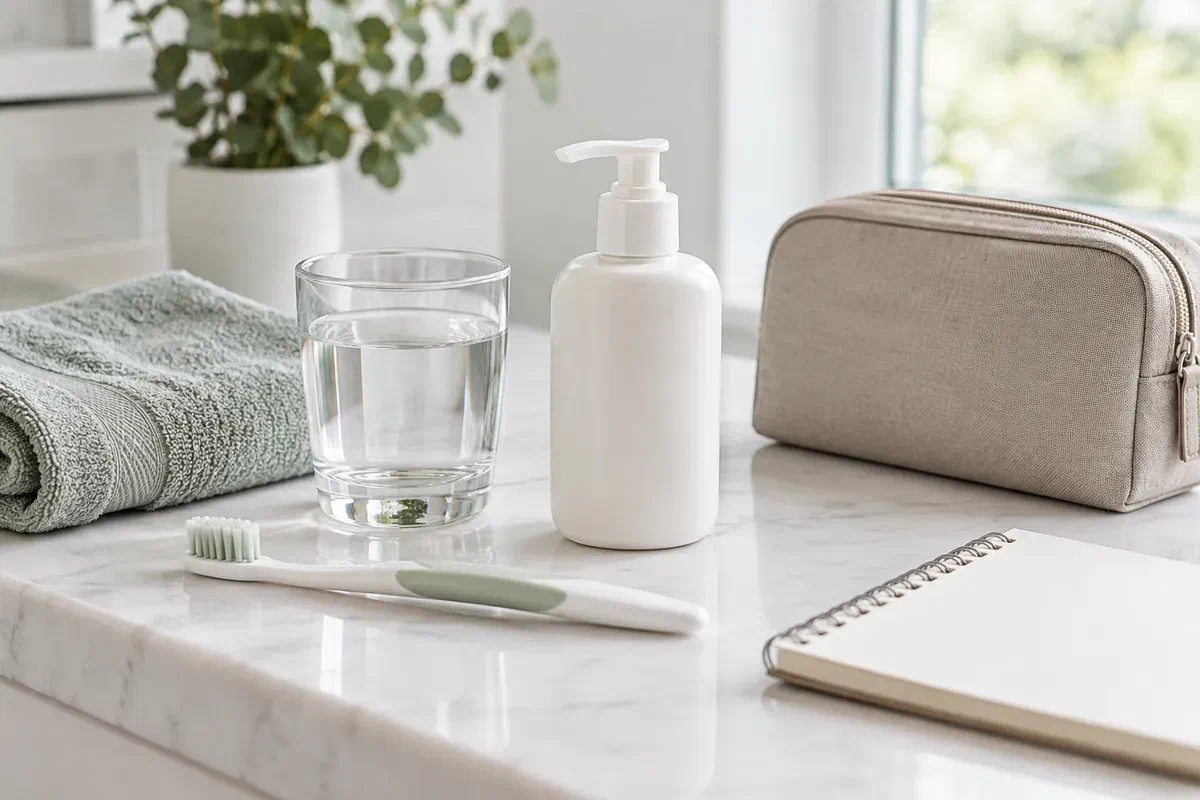
Water, toothbrush, plain oral moisturizing bottle, and notebook on a light counter
What to mention at your visit

Include the small changes and the occasional products.

A useful medication history covers what you actually take now, including products used only when needed. Explain recent additions, changes, and any symptoms that appeared around the same time.

Dryness affecting comfort or meals

A sticky mouth, repeated need for a drink, or difficulty wearing a denture may be worth discussing. Medicines can contribute to dryness, but the cause should not be assumed. Tell us whether the feeling is constant, occurs overnight, or started after a particular change.

New medicines or recent hospital care

An older list may not include a prescription started during a hospital stay or a dose changed by another clinician. Bring updated information and identify anything uncertain. Include medicines given by injection or infusion even if they are not taken every day.

Questions about a dental prescription

Ask how a proposed pain medicine, antibiotic, or other dental product fits with your existing treatment. Tell the team about previous reactions and any advice from a pharmacist. Familiarity with a product does not establish that it is appropriate with your current medicines.

Include non-prescription pain relief, sleep products, herbal preparations, vitamins, inhalers, and medicines used as needed. Do not rely on pill colour or appearance to identify a prescription.

Why the whole list matters

Make dental decisions with fewer missing pieces.

Medicines can affect oral comfort, saliva, bleeding, and the way other drugs are used. The relevant considerations depend on the actual combination and your health. A careful history helps the dentist decide whether a symptom needs further investigation, a prescription needs review, or medical advice is required before a procedure.

Good coordination also prevents you from being left to translate between several clinicians. Ask what information is needed and which professional should answer the question. A pharmacy list, prescriber's contact details, and clear account of recent changes can make that conversation more productive.

Patient information: American Dental Association — medication considerations in dental care

A more accurate starting point

Confirming current medicines helps distinguish what remains in use from an old prescription in the record. Tell the team if a medicine has been discontinued by its prescriber or if you take it differently from the printed list.

Attention to symptoms without guesswork

The timing of a mouth change can be useful, but it does not prove a medicine caused it. An examination can identify dental or tissue problems that need attention independently. Ask what the findings suggest and what remains uncertain.

A practical plan for ongoing care

Prevention, symptom support, and review appointments can be matched to your current needs. The plan should explain what to do at home, which changes to report, and when a pharmacist or medical clinician should be involved.

How the review fits your appointment

Check the list, assess the mouth, and clarify the next step.

Bring an updated pharmacy printout or another reliable medication record. Add any products that are missing, along with allergies, previous reactions, and contact details for the clinicians involved in your care.

  1. Confirm what is currently being taken

    We review medicine names, doses, schedules, and recent changes where relevant. Explain occasional use and anything you are unsure about. If the list is incomplete, the team can identify what needs confirmation rather than treating a guess as a reliable history.

  2. Assess symptoms and dental findings

    The dentist examines the concerns you describe and considers the medication history alongside the findings. Dryness, sores, or gum changes may need different approaches. Tell us whether the problem affects eating, speaking, sleeping, or wearing an appliance.

  3. Review the proposed dental care

    Before a procedure or new prescription, the dentist considers relevant interactions and medical circumstances. Additional advice may be needed from a prescriber or pharmacist. Ask whether the treatment plan is ready or whether a specific question must be resolved first.

  4. Agree instructions and a review point

    Confirm any preventive advice, symptom measures, or follow-up appointment. If a clinician changes a medicine, update the dental team before the next procedure. Written instructions can help keep a new dental prescription distinct from the medicines already in your routine.

Keeping home care workable

Support your mouth without rewriting your medical plan.

Everyday care should reflect the examination and your existing health instructions. Tell us if a suggested product or routine conflicts with advice you have already received.

Address persistent dryness

Ask about suitable moisturizing products and cavity prevention if dryness continues. Sipping water may help some people, but existing medical fluid restrictions still apply. Product choice should consider comfort, swallowing ability, and the oral findings rather than advertising alone.

Keep cleaning gentle and effective

Use fluoride toothpaste and appropriate cleaning between teeth. If soreness or gum changes make a step difficult, request advice on technique or equipment. A strong rinse is not a substitute for understanding the cause of irritation.

Keep one current medication record

Update your list after a prescriber changes treatment and bring it to dental visits. Note the reason for any recent short course and whether it has ended. If you are unsure how a new dental medicine fits, ask the pharmacist before combining products.

Patient information: NIDCR — dry mouth causes and care

What the assessment may lead to

Treat the identified concern and coordinate the rest.

Taking several medicines does not point to one dental treatment. The next step depends on the symptoms, examination, and any information needed to make a considered recommendation.

When the focus is comfort and ongoing protection

Prevention and symptom support

The plan may include tailored cleaning advice, dryness management, and an appropriate review interval. Ask how to judge whether a measure is helping and when to report persistent symptoms. Prevention can be reviewed as your medical treatment changes.

When examination identifies dental disease or damage

Treatment of a separate oral problem

A cavity, damaged restoration, or gum condition may need treatment even if medication contributes to symptoms. The dentist should explain the diagnosis and options. Do not assume that changing a prescription alone would repair an existing dental problem.

When a medication question needs clarification

Prescriber or pharmacist consultation

The team may seek advice about a possible interaction, oral effect, or procedural consideration. Any change to an existing prescription belongs with the responsible clinician. Ask who will communicate the outcome and how it affects the dental appointment.

Questions about medicines and your mouth

A complete list makes room for a clearer conversation.

Bring questions about products, symptoms, or conflicting instructions. You are not expected to identify interactions yourself; the care team needs accurate information to review the situation.

(905) 876-4488
Should I bring a pharmacy list if the dental clinic already has my prescriptions?
Yes, particularly if anything has changed since the last visit. Records can become outdated after another clinician adjusts treatment. Add non-prescription products and occasional medicines that the pharmacy list may not include, and point out any entries that are no longer current.
Can several medicines contribute to dry mouth even if none is new?
They can contribute, but persistent dryness still needs assessment rather than an automatic explanation. The combination, health conditions, and other factors may matter. Tell the team when symptoms began and how they affect daily life so suitable investigation and support can be considered.
Should I stop a medicine for a few days to see if my mouth feels better?
Do not make that experiment without advice from the responsible prescriber. Stopping treatment can create medical problems and may not explain the oral symptom. Arrange an assessment and discuss whether a medication review is appropriate alongside care for the mouth.
Do inhalers and occasional sleep aids matter at a dental appointment?
Yes. Include inhalers, medicines used only when needed, and non-prescription sleep products in the history. Explain how often you use them and any recent changes. The team can decide which details are relevant to the examination, proposed treatment, or a new prescription.
What if I cannot remember the names of all my medicines?
Ask your pharmacy for an updated list or bring clearly labelled packaging where practical. Tell the clinic which information is uncertain and who can confirm it. Avoid identifying a medicine only by colour, size, or a remembered purpose because those descriptions can be misleading.
Can a dental prescription interact with a supplement I buy without a prescription?
Some non-prescription and herbal products can be relevant to interactions or bleeding and sedation considerations. Include them in your list before a dental medicine is prescribed. Ask the dentist or pharmacist about the actual combination rather than assuming a supplement is automatically compatible.
Dental care with multiple medications in Milton

Bring your concerns and the information behind your routine.

Contact our Bronte Street clinic to arrange an assessment and discuss what to bring. Whether you have a new mouth symptom or are preparing for dental treatment, an accurate medication history helps the team plan the next step with your wider care in mind.

Bring a current medication list and report recent changes. Call directly for urgent symptoms rather than relying on an online appointment request.

Visit Milton Dental Clinic
Unit 1, 342 Bronte St. S, Milton, ON L9T 5B7
Get directions Clinic hours
Monday–Thursday
11am–7pm
Friday–Sunday
By appointment only

How can we help?

Milton Dental Clinic

Have a question about your smile? Choose the option that works best for you.

For urgent dental concerns, please call.
Messages are reviewed during clinic hours.