

Illustrative consultation reviewing health information before dental care
General & Family Dentistry

Dental Care for Patients Taking Multiple Medications in Georgetown

A dental antibiotic or pain reliever has to fit alongside everything else you take. Bring your full list from Georgetown, and our team will check how any dental medicine sits with it, examine your mouth, and involve your pharmacist when needed.

Dental prescriptions for Georgetown adults on several medicines

Will a dental prescription clash with what you already take?

It is a sensible thing to wonder. A toothache, an infection or a planned procedure can mean the dentist suggests an antibiotic, a pain reliever or a medicated rinse, and you may already be juggling several medicines. The way to answer it properly is to share everything: prescriptions, the painkiller you buy at the store, supplements and products used only occasionally.

With that list in front of us, the conversation can be specific. We ask what each item is for when you know, what has been started or stopped recently, and what dental care is needed. Weighing whether a dental medicine is suitable is the dentist’s responsibility, and checking with a pharmacist is part of that when a question comes up. You are not expected to work it out alone.

Tell us, too, about mouth symptoms such as dryness, soreness, taste changes, bleeding or difficulty brushing. These may relate to medicines, dental disease or something else entirely, and each deserves an examination. Please continue your regular medicines exactly as prescribed; pausing one in the hope of making room for a dental prescription is not a safe shortcut.

Talk to us about dental medicines
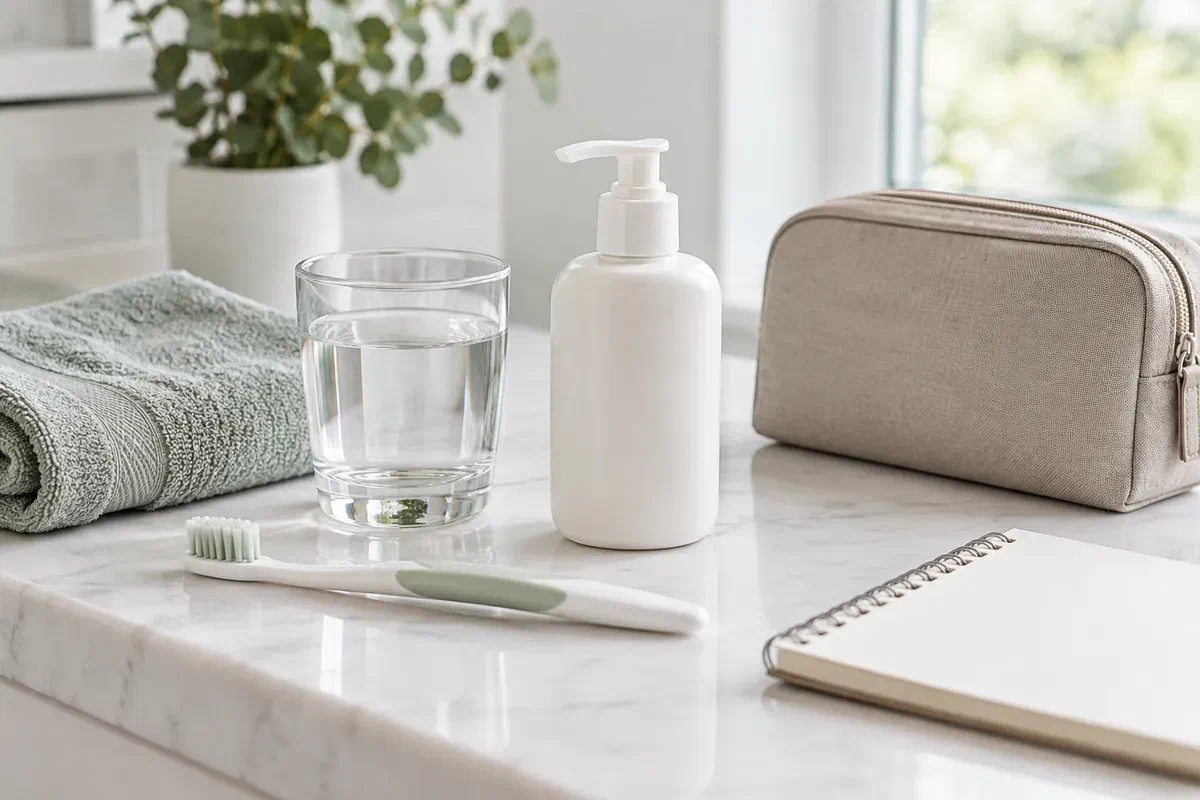
Water, toothbrush, plain oral moisturizing bottle, and notebook on a light counter
Before anything is prescribed

Three things the dentist should know

Share what you take today, including products you use only occasionally. Point out recent changes and any reactions or symptoms you have noticed since.

Ongoing dryness

A sticky mouth, constant thirst or trouble keeping a denture comfortable can matter for both comfort and dental health. Medicines are one possible cause among several. Describe when you notice it most and whether it started after a particular change in your routine.

Anything prescribed recently by someone else

A new specialist, a hospital visit or a quick walk-in appointment may have added something your usual list does not show. Bring whatever paperwork you have and say which entries you are unsure of. Medicines received by injection or infusion count as well.

Past reactions and pharmacist advice

If you have reacted to an antibiotic or pain reliever before, or a pharmacist has warned you about a combination, the dentist needs to hear it. A dental medicine you used comfortably in the past still needs checking against what you take today.

The list should also show store-bought painkillers, sleep aids, vitamins, herbal products, inhalers and anything you only take when symptoms flare. Identify medicines by name and strength, never by appearance alone.

Why the check matters

A dental prescription chosen with your whole routine in view

Medicines can affect bleeding, saliva and mouth comfort, and some affect how other drugs should be used. Which of these is relevant depends on your exact combination and health. Knowing it lets the dentist decide which dental medicine is appropriate, whether a symptom calls for closer investigation, or whether a doctor’s or pharmacist’s advice is needed first.

It also stops you from being the go-between. When a question does need outside input, the dental team can tell you who should answer and what they need to know. A current pharmacy list and your prescribers’ details shorten that process.

Patient information: American Dental Association — medication considerations in dental care

No reliance on old records

Checking what you take today keeps discontinued prescriptions from confusing the picture. Speak up when a prescriber has ended a medicine, or when your real dose or timing departs from the printed directions.

Symptoms examined on their merits

A mouth change after a new prescription is a useful clue, but the timing does not prove cause. The examination may reveal a dental problem that needs treating whatever the medicines are doing. Ask what the dentist found and what is still unclear.

Instructions you can follow

Prevention, symptom care and any short dental course should come with clear guidance. You should know how to take a dental medicine, what to watch for, and whom to contact with a question.

How we approach a dental prescription

Review, examine, check and explain

A current pharmacy printout or similar dependable record is the best foundation. Add anything missing, together with allergies, earlier reactions and contact details for your prescribers.

  1. Review the current list

    We go through names, doses, timing and recent changes. Describe occasional products and anything you are unsure of. Uncertain items are flagged for confirmation rather than treated as known.

  2. Examine the problem

    The dentist assesses the tooth, gums or tissues involved and considers your medicines alongside the findings. Not every dental problem needs a prescription, and dryness, sores or gum changes may each call for something different.

  3. Check the proposed medicine

    If a dental medicine is needed, the dentist considers interactions and your medical circumstances. Where there is a question, a pharmacist or your prescriber may be consulted. You can ask whether the choice is settled or still being checked.

  4. Explain how to take it

    We go over dose, duration and what to expect, along with any follow-up visit. Written instructions help keep a short dental course separate from your regular medicines. If another clinician changes your treatment meanwhile, tell us.

At home afterward

Finish the dental course, keep the regular routine.

What you do at home ought to reflect the examination and sit alongside the health instructions you already follow. If something we suggest conflicts with another clinician’s advice, let us know.

Comfort for a dry mouth

If dryness continues, ask about moisturizing products and added protection against cavities. Some people find frequent sips of water help, unless a doctor has asked them to limit fluids. Select products based on comfort, swallowing and your examination rather than promotional claims.

Keep brushing and cleaning

Fluoride toothpaste and cleaning between the teeth remain important while a dental problem settles. If tenderness makes a step uncomfortable, ask about a softer approach. Strong mouthwash is not a substitute for treating the source of irritation.

Track the short course

Add any dental medicine to your list with its start and end dates, and remove it once finished. Follow the instructions you were given for completing it. If you are unsure how it fits with your other medicines, check with your pharmacist before taking them together.

Patient information: NIDCR — dry mouth causes and care

What may come next

Not every visit ends with a prescription.

Several medicines on your list do not point to a single dental treatment. Instead, the direction is set by what you describe, what the examination shows and whether anything needs confirming.

When the priority is relief and protection

Prevention and comfort

Your plan may centre on cleaning advice, help with dryness and a suitable review interval rather than any new medicine. Ask how to tell whether it is working and when to come back sooner. The plan can be updated as your medical treatment changes.

When there is decay, infection, damage or gum disease

Treating the dental cause

Often the most important step is treating the tooth or gums directly, with or without a short dental prescription. The dentist explains the diagnosis and the options. Altering your regular medicines would not repair a dental problem that already exists.

When a medicine combination needs clarifying

A check with your pharmacist or prescriber

Before deciding, the dentist might seek a view on how two products combine, a possible effect on the mouth, or a precaution for the procedure. Changes to your existing prescriptions remain with the clinician responsible for them. Ask when you will hear back and whether it changes the plan.

Georgetown questions about dental medicines

What to ask before you fill a dental prescription

Questions about products, symptoms or conflicting advice are always welcome. You do not need to spot interactions yourself; complete information lets the team do that work.

(905) 876-4488
Will the dentist check my other medicines before prescribing an antibiotic?
Yes. That is why an up-to-date list matters. The dentist considers your current medicines, allergies and health before choosing a dental medicine, and may ask a pharmacist when there is a specific question.
Can I take my usual store-bought pain reliever after dental treatment?
Ask the dentist or pharmacist before you do. Whether a particular pain reliever is suitable can depend on your other medicines and health conditions. Tell them exactly what you planned to take and how often.
I reacted to an antibiotic years ago but cannot remember which one. Does it matter?
Yes, mention it anyway. Describe what happened as best you can. Your pharmacy or family doctor may have a record of it, and the dentist can take the uncertainty into account when choosing a medicine.
What if my pharmacist has concerns about a dental prescription?
Follow the pharmacist’s advice about not taking it until the concern is resolved, and contact the dental office. The dentist and pharmacist can then discuss an alternative if one is needed.
Should I stop a dental antibiotic early once I feel better?
Follow the instructions the dentist gave you for that prescription. If you have side effects or think you should stop, contact the dental office or your pharmacist for advice rather than deciding alone.
Can a medicated mouth rinse affect my other medicines?
Mention any rinse you use or are offered, along with your list. Some products have specific cautions. The dentist or pharmacist can advise on your actual combination rather than assuming a rinse is harmless because it is not swallowed.
Visiting from Georgetown

Get the dental care you need, with the rest of your medicines respected.

Call our Bronte Street office to book and ask what to bring. A toothache, a planned procedure or a question about a dental prescription are all reasons to come in, and your full medication history helps the dentist choose care that fits.

Bring an updated medication list and mention recent changes or reactions. Phone the clinic directly about urgent symptoms rather than booking online.

Visit Milton Dental Clinic
Unit 1, 342 Bronte St. S, Milton, ON L9T 5B7
Get directions Clinic hours
Monday–Thursday
11am–7pm
Friday–Sunday
By appointment only

Areas we serve

  • Milton
  • Oakville
  • Mississauga
  • Georgetown
  • Halton Hills
  • Acton
  • Campbellville
  • Brampton
  • Burlington
  • Puslinch
  • Rockwood
  • Erin
  • Caledon
  • Etobicoke
  • Old Milton
  • Bronte Meadows
  • Timberlea
  • Dorset Park
  • Dempsey
  • Clarke
  • Beaty
  • Coates
  • Harrison
  • Scott
  • Willmott
  • Ford
  • Bowes
  • Cobden
  • Walker
  • Mountain View
  • Milton Heights
  • Hawthorne Village
  • Valley View
  • Fallingbrook
  • Nassagaweya
  • Trafalgar
  • Esquesing
  • Nelson
  • Brookville
  • Moffat
  • Glen Williams
  • Norval
  • Limehouse
  • Stewarttown
  • Ashgrove
  • Hornby
  • Silver Creek
  • Speyside
  • Scotch Block
  • North Oakville
  • River Oaks
  • Glen Abbey
  • West Oak Trails
  • Palermo
  • Bronte Creek
  • College Park
  • Joshua Creek
  • Uptown Core
  • Preserve
  • Iroquois Ridge
  • Lisgar
  • Meadowvale
  • Meadowvale Village
  • Churchill Meadows
  • Erin Mills
  • Central Erin Mills
  • Streetsville
  • East Credit
  • Creditview
  • Heartland
  • Sheridan
  • Mount Pleasant
  • Credit Valley
  • Huttonville
  • Churchville
  • Springbrook
  • Northwest Brampton
  • Bram West
  • Fletcher's Meadow
  • Fletcher's Creek South
  • Alton Village
  • Orchard
  • Millcroft
  • Headon Forest
  • Tansley
  • Brant Hills
  • Tyandaga
  • Kilbride
  • Lowville
  • Aberfoyle
  • Morriston
  • Arkell
  • Hillsburgh
  • Freelton
  • Carlisle
  • Waterdown
  • Flamborough
  • Mountsberg

How can we help?

Milton Dental Clinic

Have a question about your smile? Choose the option that works best for you.

For urgent dental concerns, please call.
Messages are reviewed during clinic hours.