From the car to the chair
Ask what the way in looks like between arrival and the treatment room, and whether its widths suit your aid. Mention wheelchair or scooter measurements if you know them. Clear this up before you ask someone to drive.

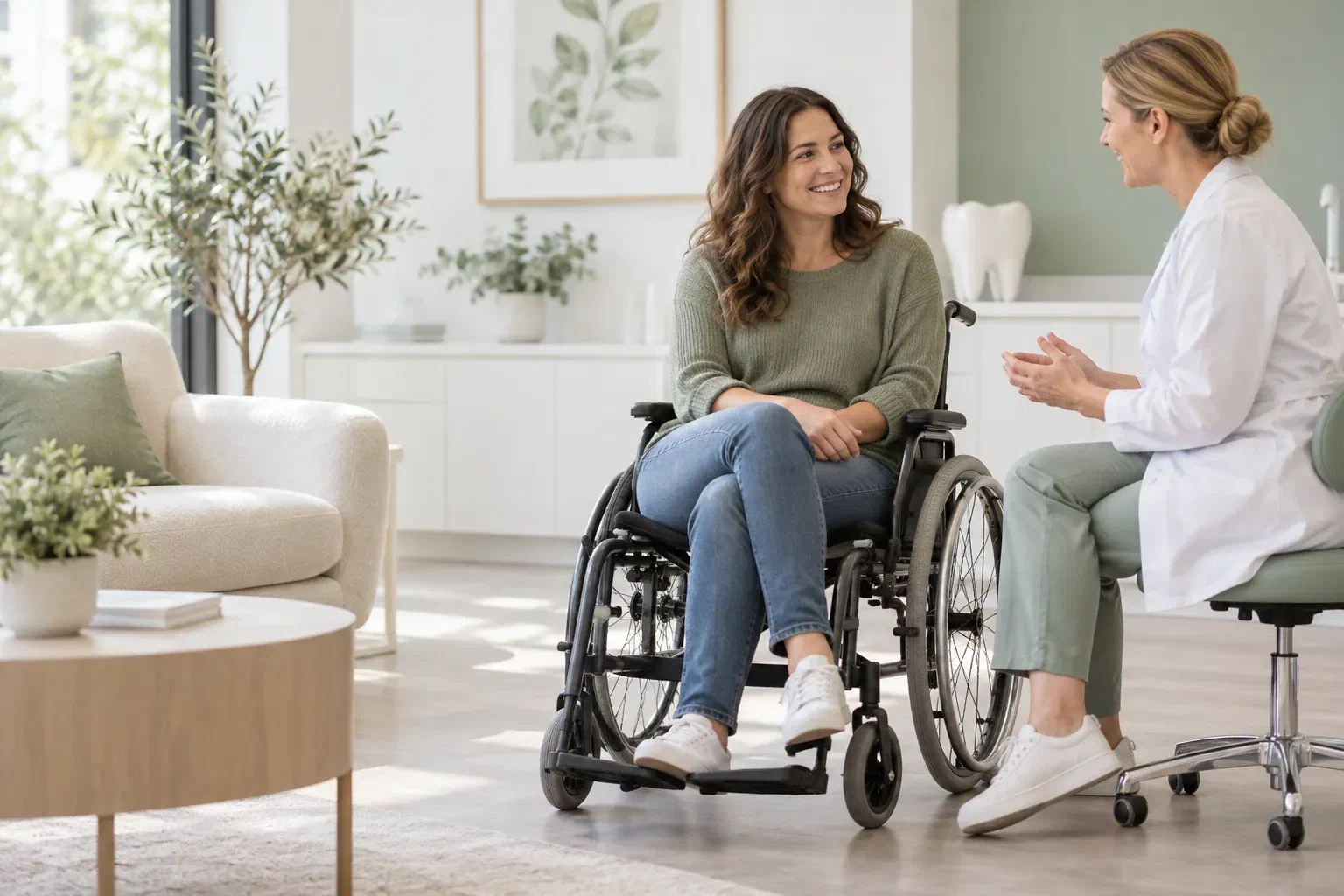
In a rural household, a dental visit often means finding a driver, choosing a day and planning everything around one trip into town. Call from Campbellville first, and we’ll talk through access, transfers and stamina.
Out in the Nassagaweya countryside, getting to an appointment usually depends on someone with a vehicle and a free afternoon. For a person who uses a walker, a wheelchair, or simply tires quickly, that trip also involves loading equipment, getting in and out of the car, and pacing the day so there’s energy left for the ride home. A dental visit has to fit inside all of that.
Campbellville is within Milton’s boundaries, yet the practical side still deserves a phone call before you book. Tell us how you walk, transfer and sit, what your hands can manage, and how long your energy usually lasts. Limits may be recent or long-standing. Explain what you do independently and where equipment or a helper comes in. What you’ve learned about getting through a day is exactly what we need to know.
With that in hand, we can discuss whether the arrangements you rely on can be offered for the visit you’re considering, and be honest about what still has to be checked. A transfer aid, a specific chair setup, or treatment in your own wheelchair shouldn’t be counted on until confirmed. If another setting would serve you better, we should lay out the next step.
Knowing someone uses a cane doesn’t tell us how they get from the car to the chair. The specifics make it possible to plan properly rather than guess at the help you’ll need.
Ask what the way in looks like between arrival and the treatment room, and whether its widths suit your aid. Mention wheelchair or scooter measurements if you know them. Clear this up before you ask someone to drive.
Say whether you can shift into a chair yourself, use a particular device, or need a trained helper. Describe positions that bring on pain, spasms, dizziness or breathlessness. A lift or transfer shouldn’t be made up on the spot.
Travel, waiting and staying still in the chair all draw on the same reserves. Let us know the time of day you tend to manage best and whether breaks help. Ask what the visit involves and how much makes sense in one go.
Confirm access, transfer and positioning needs with the clinic before your visit. Illustrations on this page do not indicate that specific facilities, lifting gear or treatment setups are in place.
When the team knows your practical needs early, it can consider them together with the dental care you want. Some obstacles are solved by booking the right time or length. Others may suggest a different setting or added support. Talking it over plainly is far more useful than assuming one routine works for everyone.
You make the calls throughout. Tell us how you’d like help to be offered and whether your driver or another person should join you. Limited mobility doesn’t affect your ability to weigh options and decide. The team should speak to you directly and ask what help you’d like, rather than addressing the person who brought you.
Sorting out access, transfers or timing by phone gives everyone a chance to resolve questions before the car leaves the driveway. Write down what was agreed, and call back if anything about your needs changes.
An initial exam asks less of you than a long treatment visit. Find out what each appointment is meant to do and whether breaks or separate stages make sense. Nobody should have to sit quietly through discomfort.
If grip, reach or tiredness gets in the way of brushing, the visit can include tools and methods that suit you. Show us the movement that is difficult. Advice is most useful when it fits your own home and habits.
Get in touch with the dental problem and the support you depend on. A relative or neighbour who helps with appointments can assist with details, with your wishes at the centre.
Describe your mobility aid, how you transfer, positions you can’t tolerate, and any equipment or helper you depend on. Ask the clinic what it can accommodate. A booked time does not by itself mean a particular physical arrangement is confirmed.
Mention diagnoses, medicines, recent changes and the reason for the visit. Tell us about pain or tiredness that might affect how you’re positioned. The dentist can then decide what assessment fits and whether information from your doctor would be useful.
Before anything starts, agree on your position, a signal to stop, and what the visit will include. If something becomes uncomfortable or unsuitable, say so. The plan should change rather than carry on because it was set earlier.
Talk through aftercare, help you might need at home, and timing for the next appointment. Check that your driver’s plans suit how you may feel after treatment. Base the follow-up on what was actually done, especially if it changed on the day.
A home routine should account for your grip, reach and stamina, and the help you prefer. Ask for a demonstration, and say so plainly if something feels unworkable.
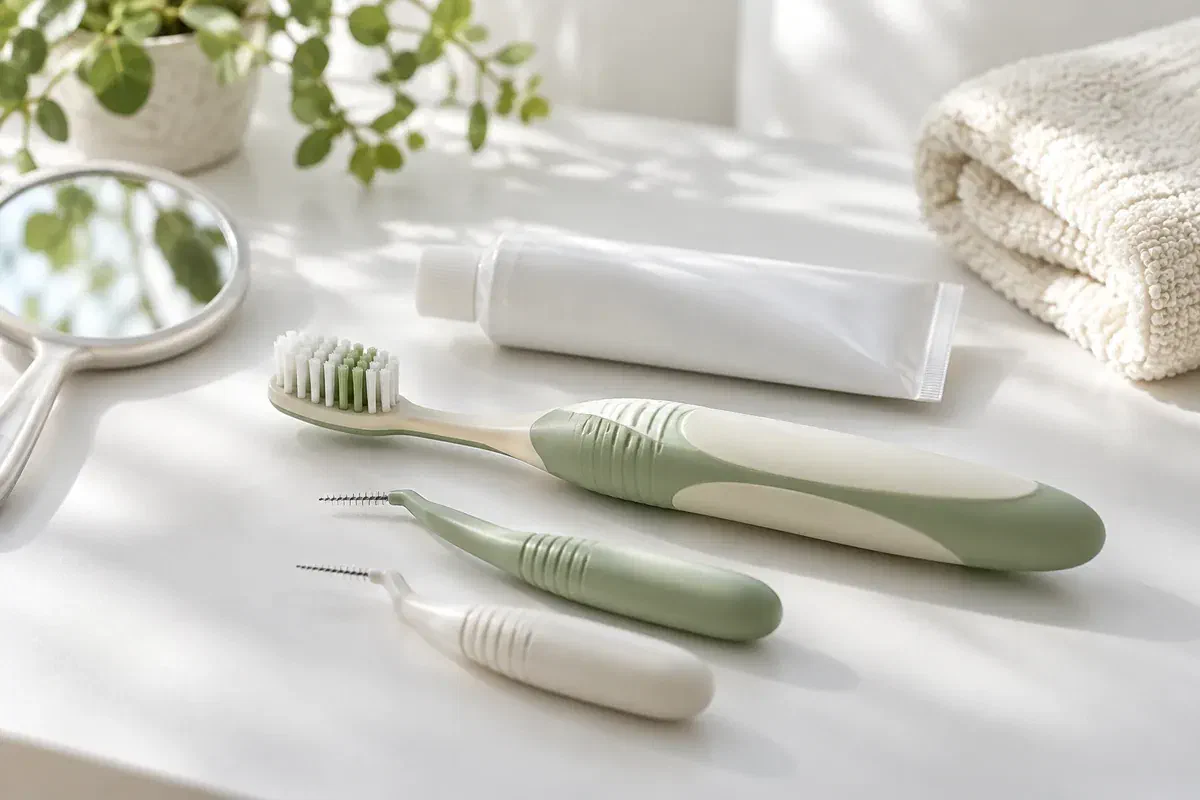
Built-up grips, powered brushes and interdental aids can all be discussed. Which one suits you depends on the teeth that are hardest to reach and the control you have. The most expensive option isn’t always the one that solves your particular difficulty.
A chair at the sink, or a tray at the kitchen table, can make brushing less tiring. If moving around the house is hard, mention it when asking for advice. Any rinsing or assisted care should still follow swallowing or medical instructions you have.
When a family member assists with mouth care, decide which steps they cover and how you’ll let them know something hurts. A demonstration can make things clearer for both of you. Help should follow your wishes and leave you the parts you want to do.
Your diagnosis doesn’t tell us how you get around. Share what works and ask for arrangements to be confirmed before anyone makes the drive.
Ring our Bronte Street clinic and describe your dental problem along with the transfers, seating and help that make a trip possible for you. We’ll go over what the visit would involve and what still needs confirming, so your day goes as planned.
Access and transfer arrangements need to be confirmed with the clinic. A web request on its own doesn’t confirm specific equipment or facilities.
