Access on arrival
Ask about the route from where you arrive to where treatment happens, and any widths or features that matter to you. If you use a wheelchair or scooter, its measurements may help. Confirm all of this before you commit to transport.

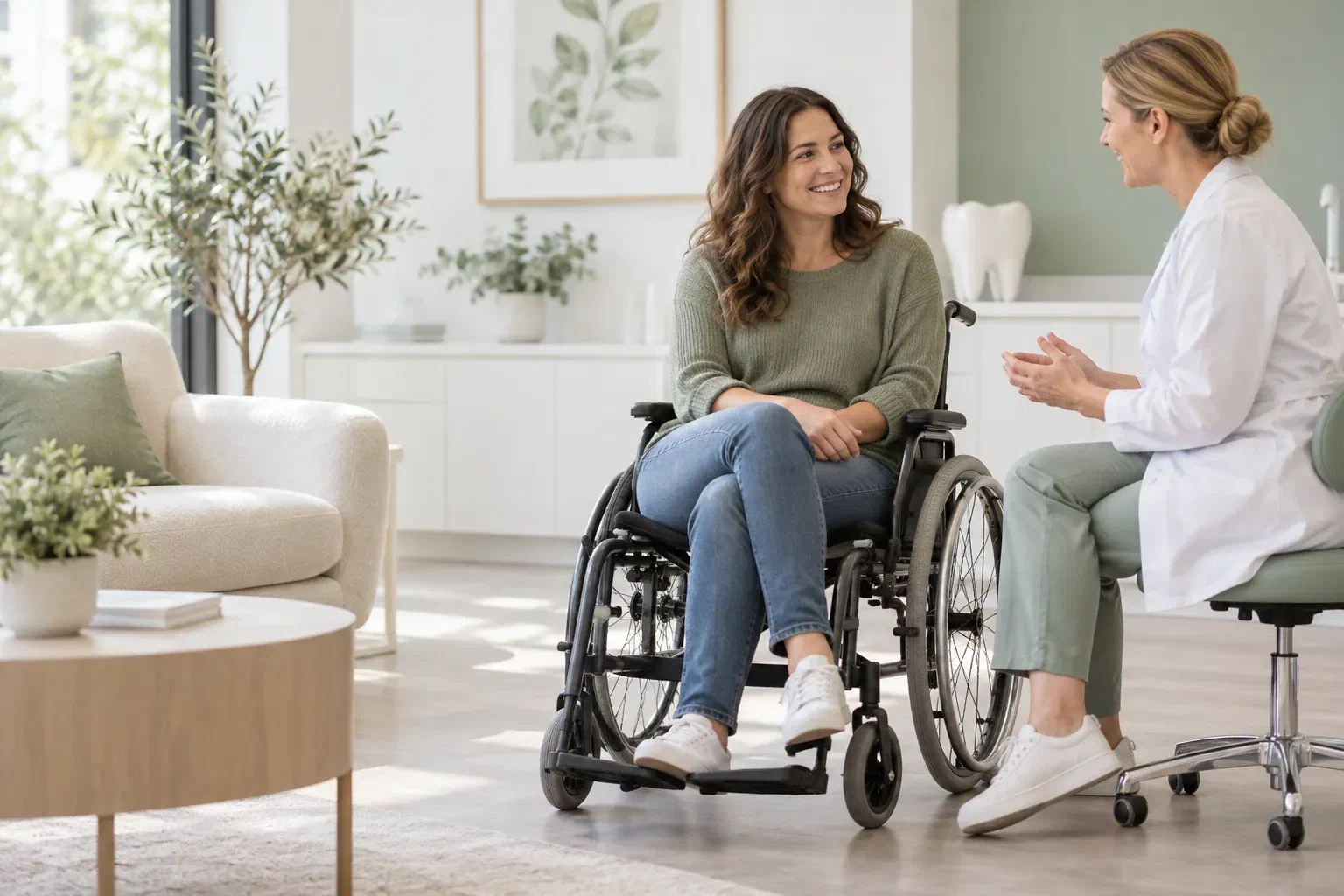
A longer trip makes every visit count. Before you travel from Etobicoke, talk with us about access, transfers and stamina, and about how to plan fewer, better-organised appointments that still respect your limits.
Coming to Milton from the west end of Toronto is a real outing for anyone, and more so when moving, transferring or sitting for long periods is difficult. A visit that turns out to be unsuitable on arrival costs a full day of energy and arranging. The way to avoid that is to settle the practical questions on the phone, well before you leave home.
When you call, explain how you get around and what support you rely on. Mobility can be limited for a few weeks after an injury or for many years, and it can involve walking, balance, posture, hand control or stamina. Tell us which parts you handle on your own and which need equipment or another person. You are best placed to judge what a realistic day looks like.
We will then talk about whether the arrangements you need can be offered for the visit you are planning and what still has to be confirmed. Don’t assume that transfer equipment, a particular chair setup, or treatment in your own wheelchair is available without checking. If another setting closer to home or better equipped would suit you, we should explain how to get there.
The same diagnosis can mean very different needs from one person to the next. Clear details let the team picture your visit and save you from discovering a problem only after a long trip.
Ask about the route from where you arrive to where treatment happens, and any widths or features that matter to you. If you use a wheelchair or scooter, its measurements may help. Confirm all of this before you commit to transport.
Explain whether you move across without help, use a particular aid, or need a trained person. List positions that set off pain, spasm, dizziness or breathing problems. An untested transfer method should never be tried just to make a long trip pay off.
Distance adds to the fatigue of waiting and holding a position. Tell us which part of the day you cope with best and whether you need breaks. Ask how long the visit will run and what can reasonably be finished in one sitting.
Access, transfer and positioning requirements need confirming with the clinic directly. The illustrations on this page are not proof that any specific facility, lift or treatment arrangement is available.
Sharing your practical needs early lets the team plan them alongside the dental care you want, and gives you a clearer sense of how many trips may be involved. Some barriers can be solved by appointment design. Others might mean another setting or extra support. An honest conversation is more useful than assuming every treatment can be delivered the same way.
You stay in control throughout. Explain how you want help to be offered and whether a companion should be part of the visit. Limited mobility does not affect your ability to understand choices or decide. The team should speak to you directly and ask what assistance you want, rather than defaulting to whoever drove you.
Raising questions about access, transfers or visit length in advance means they can be resolved by phone, not discovered at the door. Keep a note of what was agreed and contact the clinic if anything changes.
A long journey can tempt people to fit everything into one visit. Ask what is planned for each appointment and whether combining or staging is sensible for your stamina. Getting through it should never depend on hiding discomfort.
If grip, reach or fatigue makes cleaning your teeth difficult, the visit can cover tools and techniques that suit you. Describe the exact movement that is hard. Good daily care helps, and advice should fit what you can manage at home.
Get in touch with the reason for your visit and the support you need. A relative or worker who arranges your travel can help with details, with your wishes guiding the plan.
Describe your mobility aid, transfer method, positions you can’t hold, and any equipment or trained help you need. Ask what the clinic can accommodate. A booked appointment does not on its own confirm a particular physical arrangement.
Tell us about diagnoses, medications, recent changes and what has prompted the visit. Mention pain, tiredness or symptoms likely to affect your position in the chair. The dentist can then consider the right assessment and whether medical input would help.
Before treatment starts, agree on positioning, a pause signal, and what will be done. If something becomes uncomfortable or unsuitable, say so. The team should change the approach rather than keep going because you travelled a long way.
Go over aftercare, any help you will need at home, and the timing of your next visit. Make sure the return journey suits how you may feel after treatment. Adjust the follow-up plan to what was actually done, especially if it changed on the day.
A home routine should suit your grip, reach and energy, and include only the help you want. Ask for a demonstration, and speak up if a suggested method seems unworkable.
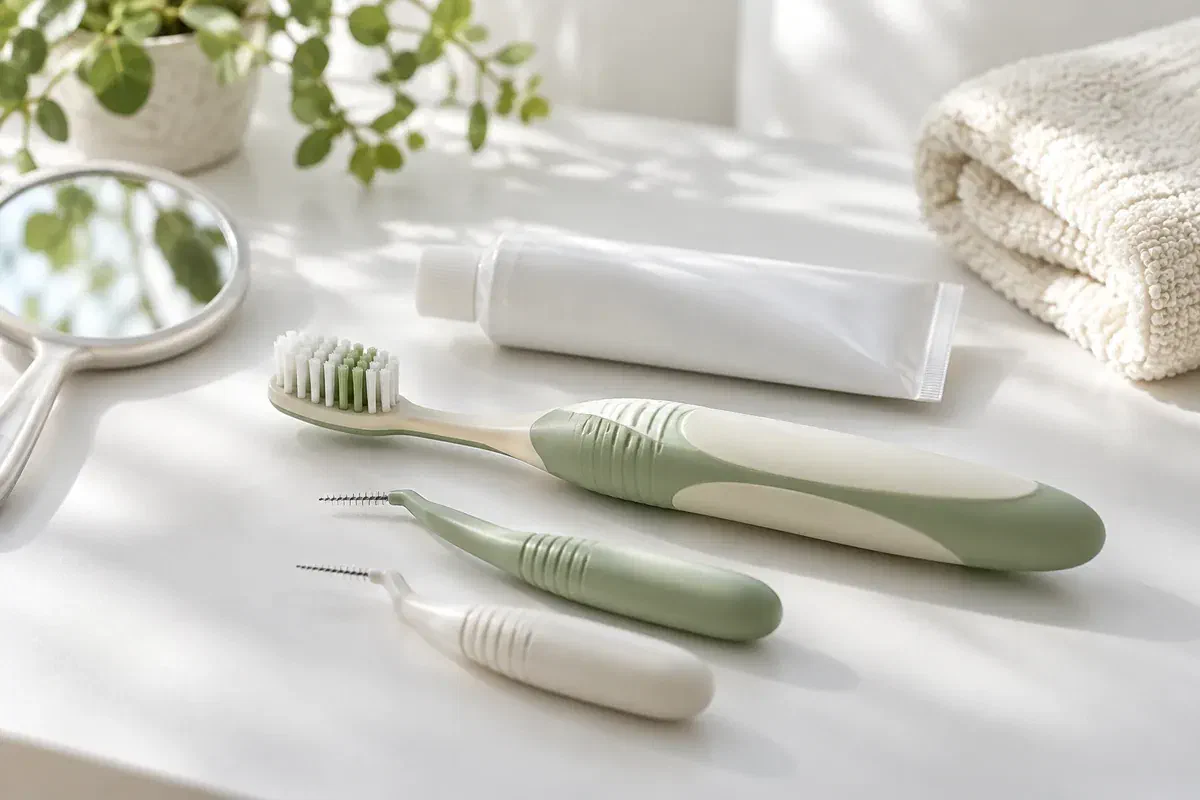
An easier-grip handle, a powered toothbrush, or an interdental cleaner might be worth considering. The right choice depends on which areas need cleaning and what you can control. An expensive device is not automatically the answer to a specific movement problem.
Sitting somewhere comfortable with supplies close by can make the routine easier. If getting to the sink is a struggle, mention it when asking for advice. Any rinsing or assisted routine should keep to swallowing or medical instructions you already follow.
If someone helps with your mouth care, agree on which steps they take and how you will let them know something hurts. A demonstration makes the routine clearer. Their help should follow your wishes, not replace what you can still do yourself.
A diagnosis alone does not explain your needs. Share the arrangements that work and get them confirmed before you travel any distance.
Ring our Bronte Street clinic and tell us about the dental problem, how you move, and the support that helps. We can talk through the proposed appointment and what must still be confirmed, so your trip has a clear purpose.
Access and transfer arrangements need direct confirmation with the clinic. An online request does not confirm particular equipment or facilities.
