Getting from the curb to the room
Ask about the path between arrival and the treatment area and any clearances that matter to you. Have your chair or scooter dimensions handy if you know them. Settle these questions before you schedule a pickup.

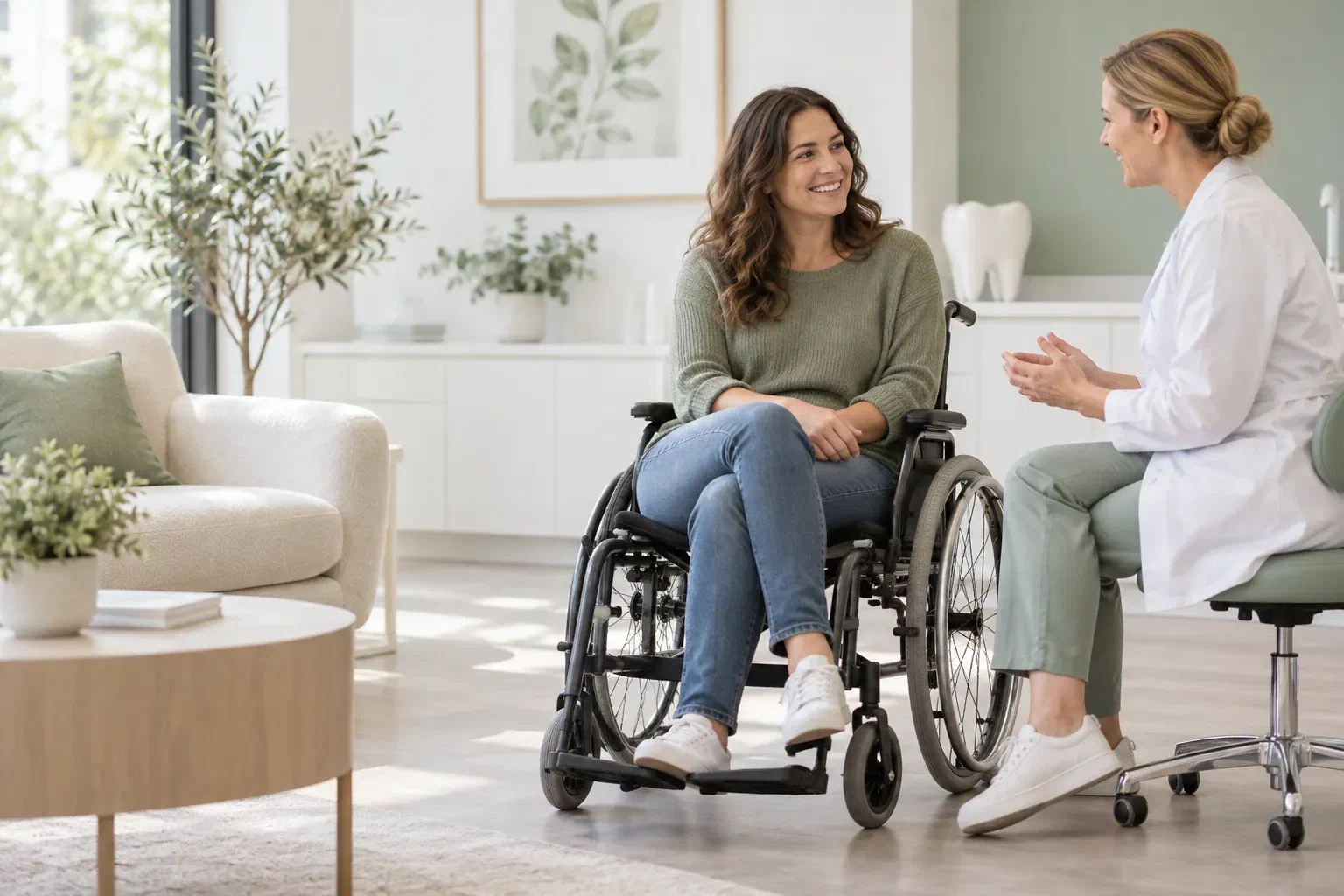
A booked accessible ride comes with a pickup window, and a dental appointment has to fit inside it. Before you lock in either, talk with us about access, transfers, visit length and the support you’ll need.
If you get around with a wheelchair, walker or scooter and rely on a scheduled accessible ride, you already know the routine: book days ahead, wait for a pickup window, and hope the appointment finishes in time for the trip home. Coming from Meadowvale, Churchill Meadows or elsewhere in Mississauga, a dental visit adds another layer, because its length and demands need to be clear before the ride is arranged.
Start by calling our Milton clinic, ideally before booking transport. Describe how you move and what support is part of your normal day. Mobility limits might follow an injury or be lifelong; they can affect walking, transferring, posture, hand use or endurance. Say what you manage alone and where help or equipment is needed. Nobody understands your routine better than you do.
With that information we can discuss whether your requirements can be met for the planned appointment and what still needs to be checked. A transfer device, a specific chair arrangement, or treatment in your own wheelchair should be confirmed rather than assumed. If a different setting looks more appropriate, you deserve a clear account of what happens next.
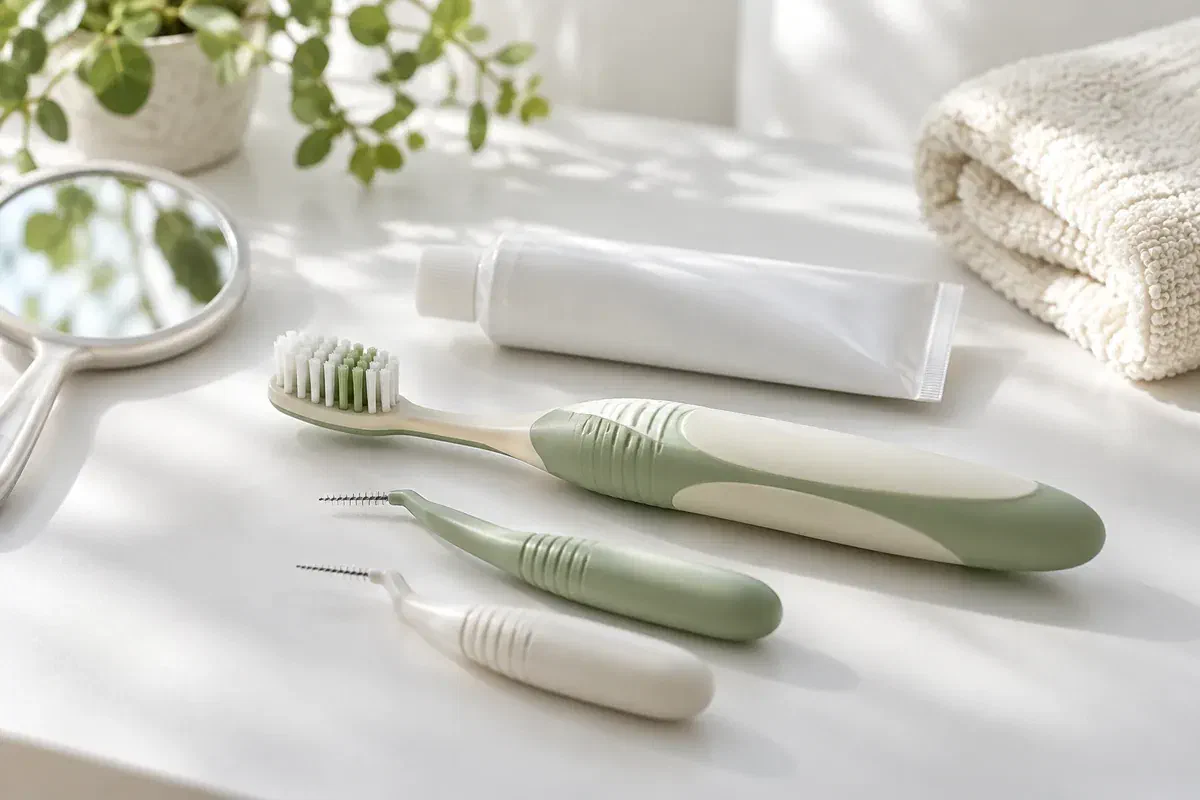
“I use a wheelchair” is only the beginning. Specifics about movement, posture and endurance let the team understand what the appointment needs without making assumptions about your help.
Ask about the path between arrival and the treatment area and any clearances that matter to you. Have your chair or scooter dimensions handy if you know them. Settle these questions before you schedule a pickup.
Tell us whether you move across independently, use a particular aid, or need help from someone trained. Point out positions that cause pain, spasms, dizziness or trouble breathing. No transfer should be improvised just because the clock is running.
Waiting for transport on both ends, plus time in the chair, can be draining. Share when you feel most comfortable and whether breaks help. Ask how long the visit should take and what can realistically be finished before your return pickup.
Access, transfer and positioning needs should be confirmed directly with the clinic. Images on this page are illustrations and do not mean that particular facilities, lifting equipment or treatment arrangements are on hand.
When the team hears about your access needs early, it can consider them together with the dental work you want. Scheduling can solve some problems on its own. Other needs may call for another setting or added help. A straightforward discussion is far better than assuming every procedure can be delivered identically for everyone.
Your choices stay central the whole way through. Explain how you want help offered and whether a support person should be involved. Using a mobility aid says nothing about your ability to understand treatment or reach decisions. You should be addressed directly and asked what help you want, not bypassed in favour of a companion.
Confirming details before you arrange transport gives time to sort out questions about access, transfers or appointment length. Keep a note of what was agreed, and let the clinic know if your needs change before the visit.
A first look at your teeth usually asks far less of you than a filling or crown. Find out what each booking is meant to achieve, and whether rest stops or separate sessions would suit you. A schedule you can sustain beats one built on enduring discomfort quietly.
If grip, reach or fatigue makes brushing difficult, the visit can cover other tools and techniques. Explain the exact motion that causes trouble. Recommendations only help if they suit the space and the body you actually brush with.
Call with the reason for your visit and the help you rely on. If a family member or worker usually handles scheduling, they can assist with details while your decisions remain front and centre.
Explain your mobility aid, how you transfer, which positions you need to avoid, and any equipment or trained assistance you depend on. Ask what the clinic can provide. Getting a booking time is not the same as having a specific physical arrangement confirmed.
Run through your diagnoses, the medicines you take, anything new since your last checkup, and what is bothering you now. If some postures make pain or tiredness flare, say which. With that, the dentist can choose a suitable assessment and judge whether a note from your doctor is worth requesting.
Before treatment starts, confirm your position, how you will signal a pause, and what the appointment will include. If an arrangement proves uncomfortable or unsuitable, speak up. The team should rethink the approach rather than press on with the original plan.
Talk through aftercare, any help needed at home, and the next appointment. Recheck your return ride if the procedure could affect what you can manage afterward. Let the plan reflect what was actually done, particularly if it changed from what was expected.
A good home routine reflects your reach, grip, energy and the help you want. Ask to see techniques demonstrated, and say plainly when something doesn’t seem workable.
Foam grip covers, electric brushes and small interdental brushes are all fair game for the conversation. Which suits you comes down to the teeth that are hardest to get at and how steady your hand feels. Spending more on equipment will not necessarily overcome a specific movement difficulty.
Pick a seat, table or corner where your body feels supported and the supplies sit close at hand. Let us know if reaching the bathroom is itself the obstacle. Any routine with rinsing or help from someone else should still follow existing swallowing or medical instructions.
If someone assists with mouth care, agree on the steps they help with and how you will show discomfort. A demonstration can make the routine clearer. Help should be shaped by your preferences rather than take over what you can and want to do.
Knowing your condition is not the same as knowing what helps you. Tell us what makes outings work, then get those pieces confirmed before the trip.
Reach out to our Bronte Street clinic and describe both the dental problem and the transfer, seating or support you rely on. We can explain what the appointment would involve and which details still need confirming, so you can schedule transport with fewer unknowns.
Only a direct conversation with the clinic can confirm access and transfer plans. Submitting a form online does not reserve equipment or facilities.
