Your equipment and the way in
Note your aid’s type and, if relevant, the width, length and turning space of a wheelchair or scooter. Ask how the route from arrival to the treatment area compares. Have that answered before you organize a ride.

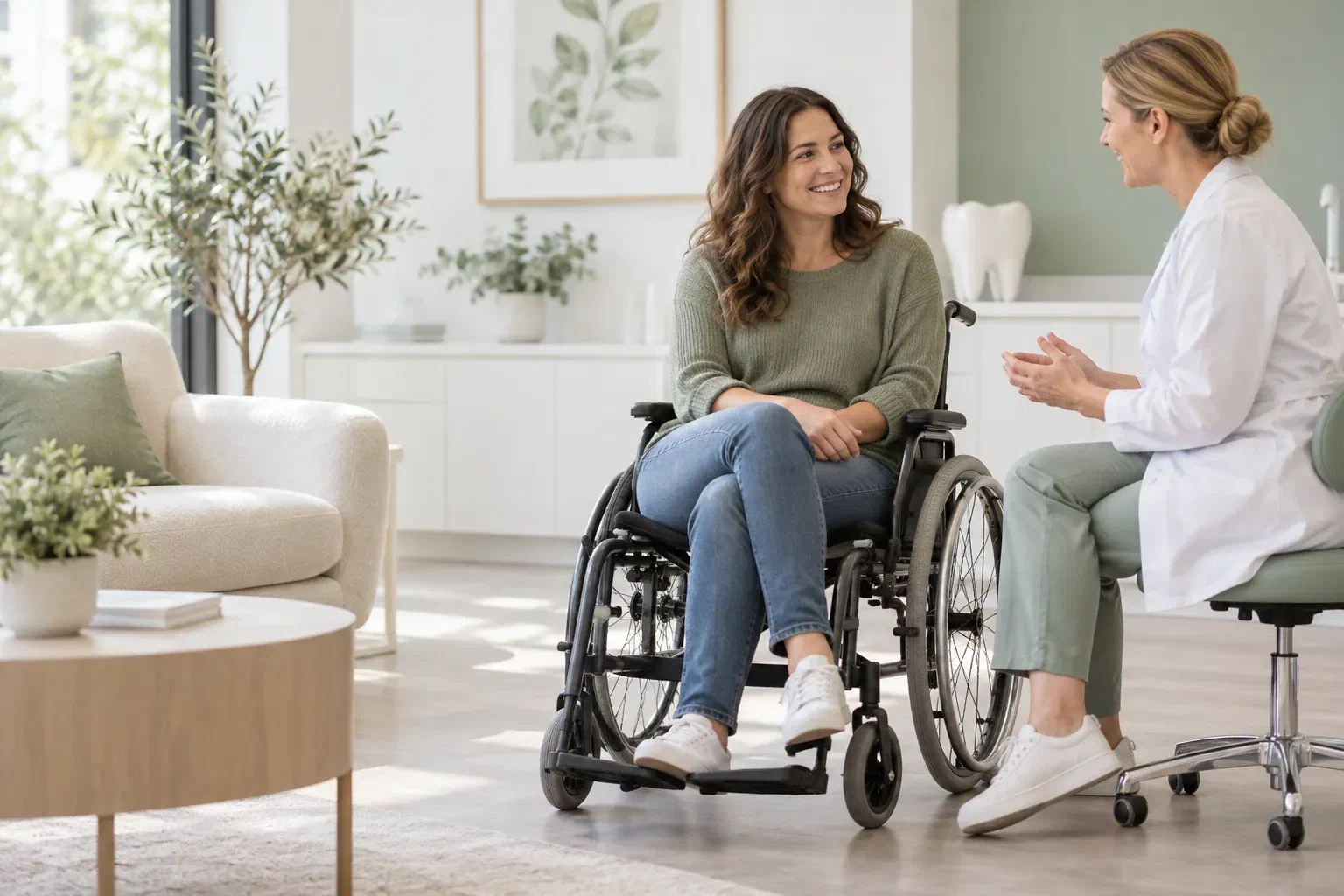
A short written summary of how you move, sit and transfer can save a lot of repeated explaining. Jot it down before you call from Rockwood, and we can use it to plan access, positioning and pacing with you.
Many people who live with limited mobility end up explaining the same things again and again: how they transfer, which positions hurt, how long they can sit, what their equipment measures. Writing that down once, in plain language, makes every new appointment easier. It also helps a dental team understand quickly what a visit would really ask of you.
Bring those notes to the phone when you contact our Milton clinic from Rockwood or elsewhere in Guelph/Eramosa. Cover how you walk and transfer, what your hands can do, how your breathing or energy holds up, and where you need equipment or a trained person. Mention whether the limits are temporary or long-standing. The point is to capture your own expertise, not to fill out a medical form.
From there we can discuss whether the arrangements on your list can be offered for the visit you have in mind, and which items still need to be confirmed. Please don’t assume a transfer aid, a specific chair arrangement, or care in your wheelchair is available because it’s pictured or mentioned online. If another setting fits better, we should explain how to proceed.
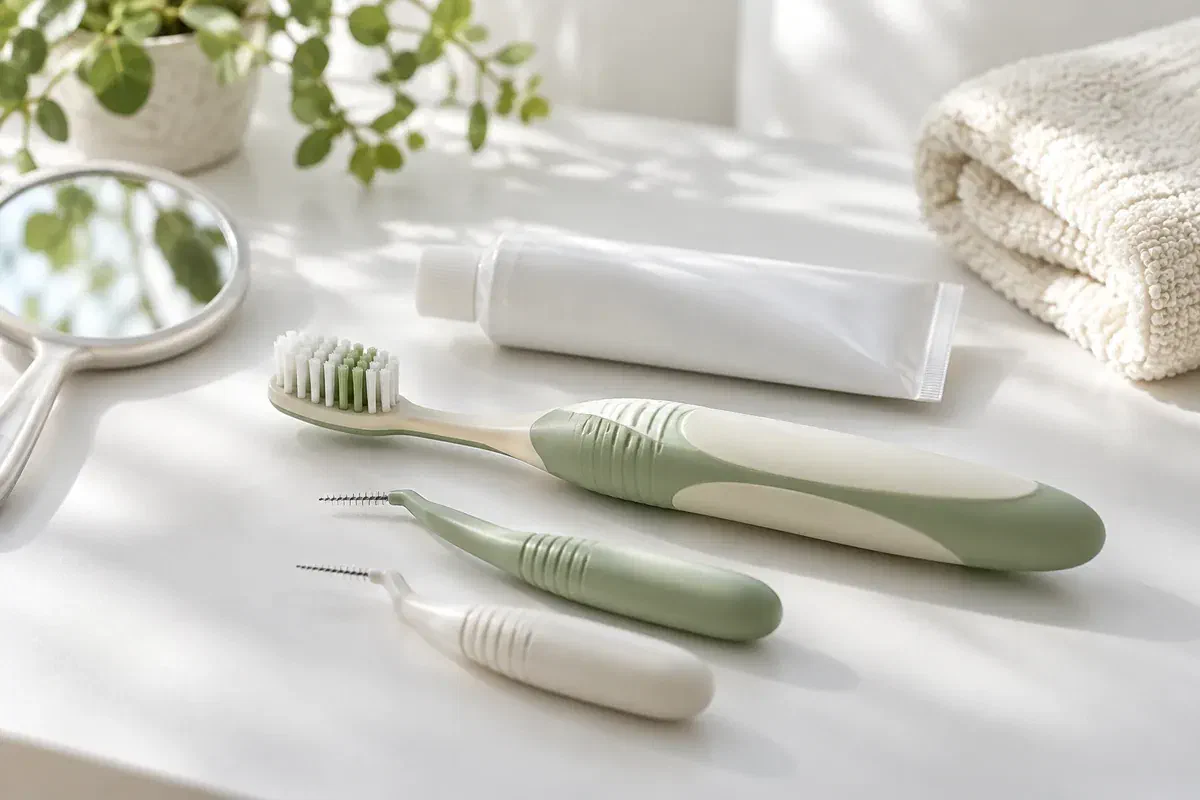
A diagnosis tells us less than you might expect. A few concrete lines about movement, posture and energy help the team picture the visit without filling in gaps with assumptions.
Note your aid’s type and, if relevant, the width, length and turning space of a wheelchair or scooter. Ask how the route from arrival to the treatment area compares. Have that answered before you organize a ride.
Write whether you move across alone, with a specific device, or with a trained helper. List positions that trigger pain, spasm, dizziness or breathlessness. A transfer that isn’t on your list shouldn’t be invented on the day.
Record how long you can comfortably sit, what time of day suits you, and whether you need breaks. Ask how long the visit will probably take and what is realistic for one appointment.
Access, transfer and positioning needs should be confirmed with the clinic directly. Pictures on this page are illustrative and are not evidence of any particular facility, lifting equipment or treatment arrangement.
A written summary lets the team consider your practical needs alongside the dental care you want, without relying on memory. Some items can be handled through timing or visit length. Others may call for another setting or extra support. Having it in writing makes the discussion more precise than assuming one approach suits every procedure.
Your notes should express your preferences, too. Include how you like help to be offered and whether someone usually comes with you. Limited mobility tells us nothing about your ability to understand treatment or decide. The team should speak with you directly and ask what help you want, rather than relying on a companion.
Going through the list before you travel can reveal questions about access, transfers or duration while there’s still time to answer them. Update your notes with what was agreed, and call if anything changes.
A first exam asks different things of you than longer treatment. Ask what each appointment is for and whether breaks or stages make sense. Your notes can include how you’d like to signal discomfort.
If grip, reach or fatigue affects brushing, add that to your summary. The visit can cover tools and techniques suited to the movement that is hard. Advice works best when it matches what you can comfortably do at home.
Call with the dental issue and your list of practical needs. A relative or worker who helps with scheduling can share the notes, while you remain central to decisions.
Go over your mobility aid, transfer method, positions to avoid, and any equipment or trained support you use. Ask which items the clinic can accommodate. Remember that a booking time is not a confirmation of a particular physical arrangement.
Include diagnoses, medicines, recent changes and the reason for the visit. Note symptoms that position or fatigue tends to worsen. The dentist can decide which assessment suits and whether information from your physician would be helpful.
Before treatment, agree on your position, a pause signal, and what will be done. If something feels wrong, say so right away. The team should adjust rather than stick to a plan that isn’t working.
Discuss aftercare, help at home and when to return. Check transport if treatment could affect how you feel afterward. Add anything you learned to your summary, especially if the visit went differently than expected.
Good home care fits your grip, reach and energy, and the help you prefer. Ask for a demonstration and jot down the steps that work for you.
A thicker handle, a powered brush or a suitable interdental cleaner may be worth trying. The right one depends on the areas that are hardest to clean and your level of control. A pricey device won’t necessarily fix the specific movement that’s difficult.
Note where you sit to brush and how supplies are arranged. If moving between rooms is a barrier, mention it when asking for advice. Rinsing or assisted routines should follow swallowing or medical instructions you already have.
If someone assists with mouth care, list which steps they handle and how you’ll show discomfort. A demonstration helps you both get it right. Support should follow your wishes and leave you the tasks you can and want to do.
A diagnosis on its own doesn’t describe your needs. A short written summary, confirmed with the clinic before you travel, often makes planning much smoother.
Contact our Bronte Street clinic with your dental concern and your summary of the access, positioning and support you need. We can go through it together, explain the proposed visit, and identify what still needs confirming.
Access and transfer arrangements must be confirmed directly with the clinic. An online request doesn’t confirm that specific equipment or facilities are available.
