

Illustrative conversation with a dental hygienist before an appointment
General & Family Dentistry

Dental Hygiene Appointments in Caledon

Sometimes a single cleaning turns into a short series of visits. For households in Caledon, we explain why gum care may be staged, how the appointments fit together and what each one is meant to achieve.

Hygiene care for Caledon

When one cleaning becomes a short series.

You book a routine cleaning and leave with a plan for three more appointments. That can be surprising, and from Bolton or one of the smaller villages it also raises a practical question: how will this fit into the weeks ahead? The answer starts with understanding why staged care was suggested in the first place.

Heavy build-up, deeper gum pockets or tender, inflamed tissue can make it sensible to treat the mouth in sections rather than all at once. Splitting the work can allow for comfort measures, give the gums time to respond and leave room for a reassessment that shows whether the treatment has worked.

Whatever the plan, you should know what each visit is for. Ask which areas will be treated when, whether freezing might be used and what you should notice at home in between. Mention bleeding, sensitivity, dryness or food traps, too, since those details can shape how the sequence is arranged.

Talk to us about your plan
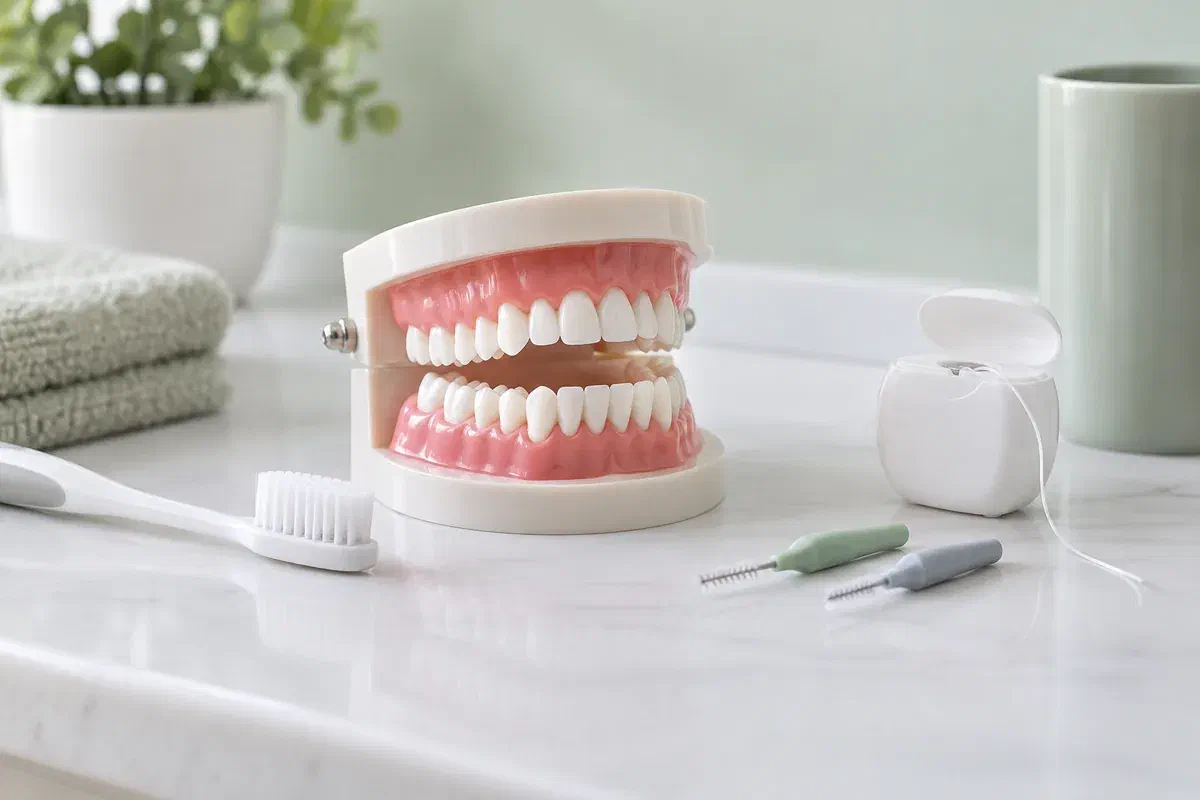
Dental teaching model with a toothbrush, interdental brushes, and floss
Why staging is sometimes suggested

Signs that may call for more than routine care

Some findings point to treatment that works better in steps. Tell us what you have noticed, where and for how long, and what you have tried so far.

Persistent bleeding or puffy gums

Gums that bleed regularly or look swollen may be inflamed because of plaque, though other health factors can also play a role. Say whether it affects one region or the whole mouth, and whether any teeth feel looser or appear to have shifted.

Heavy tartar, above or below the gum

Hardened deposits can extend beneath the gumline, where neither brushing nor a quick clean will reach. Crowding and dental work add to the challenge. The hygienist can show you where build-up is concentrated and explain whether it will be treated in stages.

Sensitivity that makes long sessions hard

Tender roots or a past appointment that felt overwhelming can make a single long visit unrealistic. Describe what has been hard. Shorter, staged appointments with planned comfort measures and agreed breaks may suit you better.

Before treatment begins, tell us about medical conditions, pregnancy, medicines such as blood thinners or any instructions from a physician. Staged gum care still relies on an accurate, current history.

The reasoning behind a plan

Step by step, with a clear purpose for each visit.

Plaque is a soft, bacterial layer that home cleaning can manage; tartar is plaque that has hardened and needs professional instruments. Both can feed gum inflammation. When deposits are extensive, treating the mouth in sections lets the hygienist work thoroughly while keeping each visit manageable.

Between stages, your home routine matters as much as the treatment. Gums heal better when plaque is kept under control. Ask the hygienist to show you how to clean the treated areas gently, and tell them if any tool feels too harsh while the tissue settles.

Patient information: NIDCR — oral hygiene and professional care

Measurements before and after

Recording gum readings before treatment and at reassessment shows how the tissue has responded. Ask which numbers matter most and what improvement would look like. That turns a series of visits into something you can follow.

A plan that fits the diagnosis

Staged care usually reflects gum disease or heavy build-up, not a routine maintenance need. The team should explain the diagnosis, the number of visits and why splitting the work makes sense.

Gentle aids for healing gums

Treated areas may be tender for a while. Ask for tools and techniques suited to that stage, as well as the routine you will use afterwards. Each recommendation should have a clear reason.

How staged care usually runs

Assess, treat in sections, then re-check.

Ask what each appointment will cover and how you can signal a pause. Speaking up about tenderness or worries helps keep the sequence comfortable and on track.

  1. Review history and agree the sequence

    We go over your medical details, medicines and symptoms, then explain which areas will be treated and in what order. Mention sensitivity, past difficulties and scheduling limits. However long it has been since your last cleaning, there is no need to explain.

  2. Assess the full mouth first

    The hygienist records deposits, gum condition and pocket depths. The dentist may need to examine you and order X-rays before the treatment plan is final. Hygiene findings form part of a broader diagnosis.

  3. Treat one section at a time

    Cleaning above and below the gumline is carried out area by area, with local anaesthetic considered where appropriate. Polishing and preventive steps are added when useful. Say if anything is uncomfortable so the approach can be talked over.

  4. Reassess and decide on maintenance

    After the gums have had time to heal, measurements are repeated to see how they have responded. Ask whether maintenance visits, further treatment or a referral is recommended, and why that interval has been chosen.

Between stages

Gentle care helps the treated areas settle.

Professional treatment and daily cleaning work together. Follow the instructions given after each stage, and call if you are not sure how to look after a tender area.

Brush softly, including treated areas

Carry on with fluoride paste and soft bristles, guided along the gumline even where it feels tender. Avoid scrubbing. If a section is too sore to brush comfortably, call for advice rather than skipping it altogether.

Resume between-teeth cleaning carefully

Use the aid and size recommended for each gap, easing it in without force. Gums that are healing may bleed a little at first. If an aid catches or causes pain, let us know so an alternative can be suggested.

Watch for signs that need a call

Some tenderness after deeper cleaning is expected for a short time. Contact the clinic if pain increases, bleeding does not lessen, swelling develops or a tooth feels noticeably looser. Those signs should not wait until your next stage.

Possible paths

Not every plan needs staging.

Your assessment determines which route makes sense. Make sure the reasons are clear to you, and that nothing still needs evaluating, before treatment starts.

When gums are healthy and build-up is modest

Single-visit maintenance

Deposits are removed, gum health is reviewed and your routine is adjusted in one appointment. The interval should reflect your needs. Periodic checks remain useful even without symptoms, since early changes are easy to miss.

When gum disease needs addressing

Staged periodontal treatment

Treatment below the gumline is planned over several visits, followed by reassessment and sometimes a referral to a gum specialist. It is a separate kind of care from routine cleaning. Ask about the diagnosis, the number of visits and how results will be judged.

When home care needs to change

Coaching alongside treatment

Part of each visit may focus on cleaning around bridges, crowded teeth or appliances, with tools adapted to your hands. Practice should target the areas being treated, with time for your questions.

Patient information: NIDCR — gum disease assessment and treatment

Questions about staged care

Making sense of a multi-visit plan.

What is recommended depends on your findings and circumstances. Ask about each visit's scope, the fees involved, comfort measures and the full number of appointments before you begin.

(905) 876-4488
How far apart are staged gum treatment visits usually spaced?
It depends on how many sections are involved, your comfort and scheduling. Ask the team to outline the sequence when treatment is proposed. Reassessment generally comes after the gums have had time to heal.
Can I drive home after a deep cleaning with freezing?
Ask the team before the appointment, and follow the specific advice you are given on the day, particularly if any other medication is used. Avoid chewing on the numb side until normal feeling has returned.
What happens if I have to miss one of the stages?
Call as soon as you can to rebook. A delay may affect how the treatment is sequenced, so the team can advise how best to continue. Keep up gentle cleaning in the meantime.
Will my teeth feel different after gum treatment?
Some people notice sensitivity or that gums look slightly different as swelling settles. Teeth may feel cleaner and smoother. Report anything that worsens or concerns you.
Will I be referred to a gum specialist?
Referral to a periodontist may be recommended depending on the severity of the findings and how your gums respond. Ask what would prompt a referral and what the specialist would assess.
Can staged visits be grouped to reduce trips from Caledon?
Sometimes, depending on the treatment and your comfort. Ask the team whether longer appointments or combining a stage with an exam would work. Mention your schedule constraints early.
Planning visits from Caledon

Know what each appointment is for.

Call our Bronte Street practice to discuss a hygiene visit or a staged gum treatment plan. Bring questions about the number of visits, comfort options or home care between stages. We will explain the findings and plan the sequence with you.

If pain or swelling has started since your last appointment, tell us when you call so it can be checked before the next stage goes ahead.

Visit Milton Dental Clinic
Unit 1, 342 Bronte St. S, Milton, ON L9T 5B7
Get directions Clinic hours
Monday–Thursday
11am–7pm
Friday–Sunday
By appointment only

Areas we serve

  • Milton
  • Oakville
  • Mississauga
  • Georgetown
  • Halton Hills
  • Acton
  • Campbellville
  • Brampton
  • Burlington
  • Puslinch
  • Rockwood
  • Erin
  • Caledon
  • Etobicoke
  • Old Milton
  • Bronte Meadows
  • Timberlea
  • Dorset Park
  • Dempsey
  • Clarke
  • Beaty
  • Coates
  • Harrison
  • Scott
  • Willmott
  • Ford
  • Bowes
  • Cobden
  • Walker
  • Mountain View
  • Milton Heights
  • Hawthorne Village
  • Valley View
  • Fallingbrook
  • Nassagaweya
  • Trafalgar
  • Esquesing
  • Nelson
  • Brookville
  • Moffat
  • Glen Williams
  • Norval
  • Limehouse
  • Stewarttown
  • Ashgrove
  • Hornby
  • Silver Creek
  • Speyside
  • Scotch Block
  • North Oakville
  • River Oaks
  • Glen Abbey
  • West Oak Trails
  • Palermo
  • Bronte Creek
  • College Park
  • Joshua Creek
  • Uptown Core
  • Preserve
  • Iroquois Ridge
  • Lisgar
  • Meadowvale
  • Meadowvale Village
  • Churchill Meadows
  • Erin Mills
  • Central Erin Mills
  • Streetsville
  • East Credit
  • Creditview
  • Heartland
  • Sheridan
  • Mount Pleasant
  • Credit Valley
  • Huttonville
  • Churchville
  • Springbrook
  • Northwest Brampton
  • Bram West
  • Fletcher's Meadow
  • Fletcher's Creek South
  • Alton Village
  • Orchard
  • Millcroft
  • Headon Forest
  • Tansley
  • Brant Hills
  • Tyandaga
  • Kilbride
  • Lowville
  • Aberfoyle
  • Morriston
  • Arkell
  • Hillsburgh
  • Freelton
  • Carlisle
  • Waterdown
  • Flamborough
  • Mountsberg

How can we help?

Milton Dental Clinic

Have a question about your smile? Choose the option that works best for you.

For urgent dental concerns, please call.
Messages are reviewed during clinic hours.