

Illustrative conversation with a dental hygienist before an appointment
General & Family Dentistry

Dental Hygiene Appointments in Rockwood

You changed your routine months ago. Is it working? For people travelling from Rockwood, a hygiene appointment compares your gums with last time, clears new build-up and shows what to adjust next.

Progress checks for Rockwood

Is your new routine paying off?

Perhaps a hygienist told you last year that a few areas were inflamed, and you have been using interdental brushes most nights since. You might feel less bleeding, or you might not be sure. A follow-up hygiene visit answers that question with more than a hunch, because the gums can be measured and compared with what was recorded before.

Alongside that comparison, deposits that have hardened since your last appointment are removed and the tissue is assessed again. Some areas may have improved noticeably; others may need a different approach. Either way, you leave with a clearer idea of where your effort is making a difference.

Tell the team how things have felt between visits. Which areas still bleed, which tools you have kept up with and which ones fell by the wayside, any new sensitivity or a gap that has started catching food. That context helps the hygienist read the numbers properly and adjust the plan to suit you.

Book a progress visit
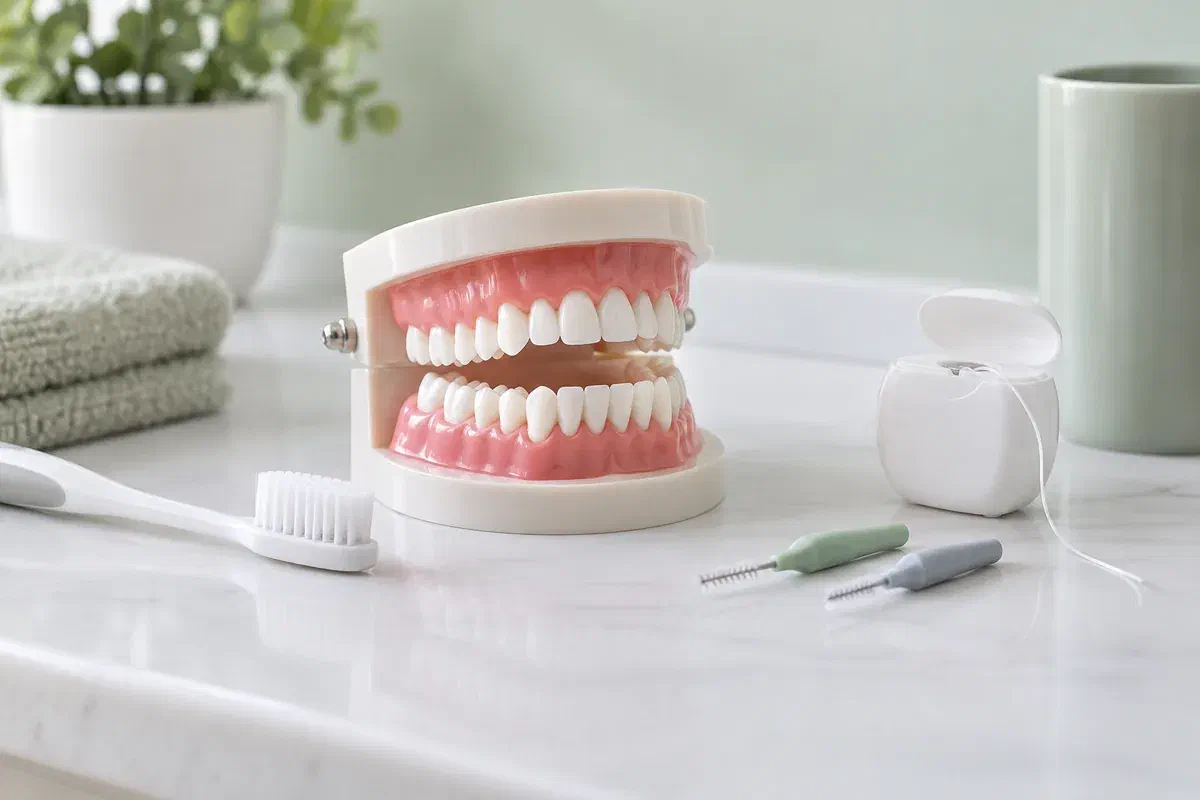
Dental teaching model with a toothbrush, interdental brushes, and floss
Signs to report

What has changed since last time?

Shifts you notice at home help the team interpret their findings. Describe where things have improved, where they have not and what you have been doing differently.

Bleeding that has not settled

If one area still bleeds despite careful cleaning, it deserves another look. Plaque is a frequent cause, though not the only one. Let us know whether it is the same spot as before or somewhere new, and whether there is swelling or a tooth feels looser.

Tartar that returns in the same place

Some surfaces collect hardened deposits again and again, often near the salivary glands or around dental work. Brushing cannot remove tartar once it forms. Ask the hygienist to show you the spot and suggest whether a change in technique might help.

New sensitivity or discomfort

As inflamed gums tighten, roots can sometimes feel more sensitive. If a previous cleaning was uncomfortable, or something new is bothering you, explain what is happening. The team can discuss pacing, breaks and suitable comfort options.

Update us on any change in your health, pregnancy, medicines or physician advice since your last visit. Even a progress check depends on an accurate, current history.

What a follow-up shows

Evidence, not guesswork, about your gum health.

Plaque is a soft film of bacteria that you can clear with regular cleaning. When it stays, it hardens into tartar, which needs a professional to remove. Both are tied to gum inflammation, so comparing tissue health between visits is one of the most useful things a hygiene appointment can do.

Progress checks are also a moment to fine-tune. If one area is lagging, the hygienist might suggest a different interdental size, a new angle or simply more time on that side. Ask them to show you the exact spot and tell them honestly what you have and have not kept up.

Patient information: NIDCR — oral hygiene and professional care

Numbers you can compare

Gum pocket depths and bleeding points recorded at each visit show the direction of change. Ask which areas have improved and which remain a concern. Seeing the trend can be encouraging, and it guides the next decision.

An updated scope of care

Improvement may mean you can stay with routine maintenance. Lack of progress may suggest the need for gum treatment or a specialist opinion. The hygienist should explain what the findings support.

Tools reviewed, not just recommended

Bring the aids you have been using. The hygienist can check whether sizes still fit and whether a different tool would help. Dropping something that is not working is perfectly reasonable.

How a progress check works

Compare, clean and recalibrate.

Let the team know what you most want to find out and how you will ask for a pause. Sharing what has been hard at home helps the visit focus where it counts.

  1. Catch up on health and habits

    We update your medical details and ask how your routine has gone. Mention bleeding, dryness, sensitivity, new prescriptions and areas you still find awkward. A longer gap than planned is simply useful context.

  2. Re-measure and compare

    The hygienist checks deposits and gum tissue and repeats measurements where relevant, comparing them with earlier records. Depending on the results, a dentist's review or new imaging could be recommended. Hygiene findings fit into your broader dental care.

  3. Clean where it is needed

    Hand instruments, ultrasonic tools or both may be used. Polishing and preventive treatments are considered according to need. Let the hygienist know if an area is tender so the method can be discussed.

  4. Adjust the plan together

    Before leaving, practise any change in technique. Ask whether your interval should stay the same, shorten or lengthen, and whether gum treatment or referral is now being considered. Each follow-up should move things forward.

Building on progress

Keep at it. Gums respond to steady care.

Professional cleaning and your daily efforts depend on each other. Follow any new advice from this visit, and call if you are unsure about an area that remains sore.

Brush where the gum meets the tooth

Keep the soft bristles and fluoride paste heading for the gumline areas you discussed. Pressure is not the goal; coverage is. If one region still lags, ask whether a different brush or grip would help you reach it.

Stay with the between-teeth routine

Use the sizes and types the hygienist recommends, which may have changed since your last visit. Never force an aid through a tight space. If a tool keeps catching, mention it so the fit can be reviewed.

Report anything moving the wrong way

Some tenderness after a cleaning tends to pass. Call if pain worsens, bleeding returns or increases, a gum swells or a tooth begins to shift. Those signs should be checked before your next scheduled visit.

Where the comparison points

Stable, improving or needing more?

The comparison with earlier findings helps decide what comes next. Talk through the trend with the hygienist, and check whether the dentist needs to weigh in before the plan changes.

If gums are stable or improving

Continued maintenance

Deposits are removed, measurements are recorded and your routine is fine-tuned. The interval may stay the same or change depending on the trend. Periodic checks remain worthwhile because gum changes can be gradual and painless.

If some areas are not responding

Further periodontal care

Cleaning below the gumline, another reassessment or a referral to a gum specialist may be suggested. That is a different kind of treatment, not just extra polishing. Ask about the reasons, the visits involved and how response will be judged.

If one or two spots keep lagging

Refined technique support

Time can be spent on the specific areas that are not improving, whether around bridges, crowded teeth or appliances, with tools adapted to your hands. You should have room to try options and ask questions.

Patient information: NIDCR — gum disease assessment and treatment

Questions about progress

How do you know your gums are getting better?

Findings and circumstances guide what is suggested. Before care begins, ask what will be done, the likely fees, the comfort options and any extra appointments.

(905) 876-4488
How can I tell my gums are improving between visits?
Less bleeding when you brush or clean between teeth is often an encouraging sign. Gums may also look less red or puffy. Measurements at your next visit give a more reliable comparison, so keep note of what you notice.
Can gums that have receded grow back?
Gum tissue that has receded generally does not return on its own. Good daily care can help protect what remains. If recession concerns you, ask the dentist whether any treatment or specialist opinion is appropriate.
What is a periodontal reassessment visit?
After gum treatment, a reassessment checks how the tissue has responded, usually by repeating measurements. It helps decide whether maintenance is enough or further care is needed. Ask how long after treatment it is planned.
Does bleeding during a gum check mean I have gum disease?
Bleeding can indicate inflammation, but it is one piece of information among several. The hygienist and dentist consider pocket depths, X-rays and other findings before making a diagnosis. Ask them to explain what your results show.
Can I see my gum chart and keep track myself?
Ask the hygienist to walk you through it. Seeing which areas have improved and which have not can help you focus your efforts. They can explain the numbers in plain terms.
Is it worth the trip from Rockwood if my gums seem fine now?
Feeling fine is encouraging, but measurements confirm whether the improvement is real and lasting. Ask whether your interval can be adjusted based on progress, and mention if grouping visits would make the journey easier.
Rockwood hygiene follow-ups

See how far your gums have come.

Reach our Bronte Street practice to book a progress visit. Bring your notes, your current tools and questions about bleeding, measurements or intervals. We will compare the findings with last time and explain what they mean for the months ahead.

If something new has come up, like a sore tooth or gum swelling, mention it at booking so it can be assessed during the same visit.

Visit Milton Dental Clinic
Unit 1, 342 Bronte St. S, Milton, ON L9T 5B7
Get directions Clinic hours
Monday–Thursday
11am–7pm
Friday–Sunday
By appointment only

Areas we serve

  • Milton
  • Oakville
  • Mississauga
  • Georgetown
  • Halton Hills
  • Acton
  • Campbellville
  • Brampton
  • Burlington
  • Puslinch
  • Rockwood
  • Erin
  • Caledon
  • Etobicoke
  • Old Milton
  • Bronte Meadows
  • Timberlea
  • Dorset Park
  • Dempsey
  • Clarke
  • Beaty
  • Coates
  • Harrison
  • Scott
  • Willmott
  • Ford
  • Bowes
  • Cobden
  • Walker
  • Mountain View
  • Milton Heights
  • Hawthorne Village
  • Valley View
  • Fallingbrook
  • Nassagaweya
  • Trafalgar
  • Esquesing
  • Nelson
  • Brookville
  • Moffat
  • Glen Williams
  • Norval
  • Limehouse
  • Stewarttown
  • Ashgrove
  • Hornby
  • Silver Creek
  • Speyside
  • Scotch Block
  • North Oakville
  • River Oaks
  • Glen Abbey
  • West Oak Trails
  • Palermo
  • Bronte Creek
  • College Park
  • Joshua Creek
  • Uptown Core
  • Preserve
  • Iroquois Ridge
  • Lisgar
  • Meadowvale
  • Meadowvale Village
  • Churchill Meadows
  • Erin Mills
  • Central Erin Mills
  • Streetsville
  • East Credit
  • Creditview
  • Heartland
  • Sheridan
  • Mount Pleasant
  • Credit Valley
  • Huttonville
  • Churchville
  • Springbrook
  • Northwest Brampton
  • Bram West
  • Fletcher's Meadow
  • Fletcher's Creek South
  • Alton Village
  • Orchard
  • Millcroft
  • Headon Forest
  • Tansley
  • Brant Hills
  • Tyandaga
  • Kilbride
  • Lowville
  • Aberfoyle
  • Morriston
  • Arkell
  • Hillsburgh
  • Freelton
  • Carlisle
  • Waterdown
  • Flamborough
  • Mountsberg

How can we help?

Milton Dental Clinic

Have a question about your smile? Choose the option that works best for you.

For urgent dental concerns, please call.
Messages are reviewed during clinic hours.