Tartar that returns quickly
If you notice roughness creeping back soon after a cleaning, tell us where and how soon. That pattern influences the interval we suggest. Please do not scrape it away yourself; metal tools can damage teeth and gums.


Every six months, every three, or once a year? For people in Acton, the right cleaning interval depends on how quickly tartar forms and how your gums respond, so we explain the reasoning behind the date we suggest.
Some people build up tartar slowly and have quiet, healthy gums. Others find rough deposits behind their lower teeth within weeks of a cleaning, or have gums that have been treated for disease. Those two mouths should not share the same schedule. Tartar is hardened plaque, and once it forms it waits for professional removal.
At each visit we look at how much has built up since last time, how the gums respond, and whether bleeding or sensitivity has changed. That tells us whether routine maintenance remains appropriate or whether gum disease needs separate assessment and treatment. For households in Acton, it also helps to plan visits ahead rather than booking only when something feels wrong.
You are part of the decision. Tell us if a past appointment was uncomfortable, and agree on a pause signal before we start. Ask why we picked a particular interval and what would change it. You should leave with a clear reason for the date on your reminder card.
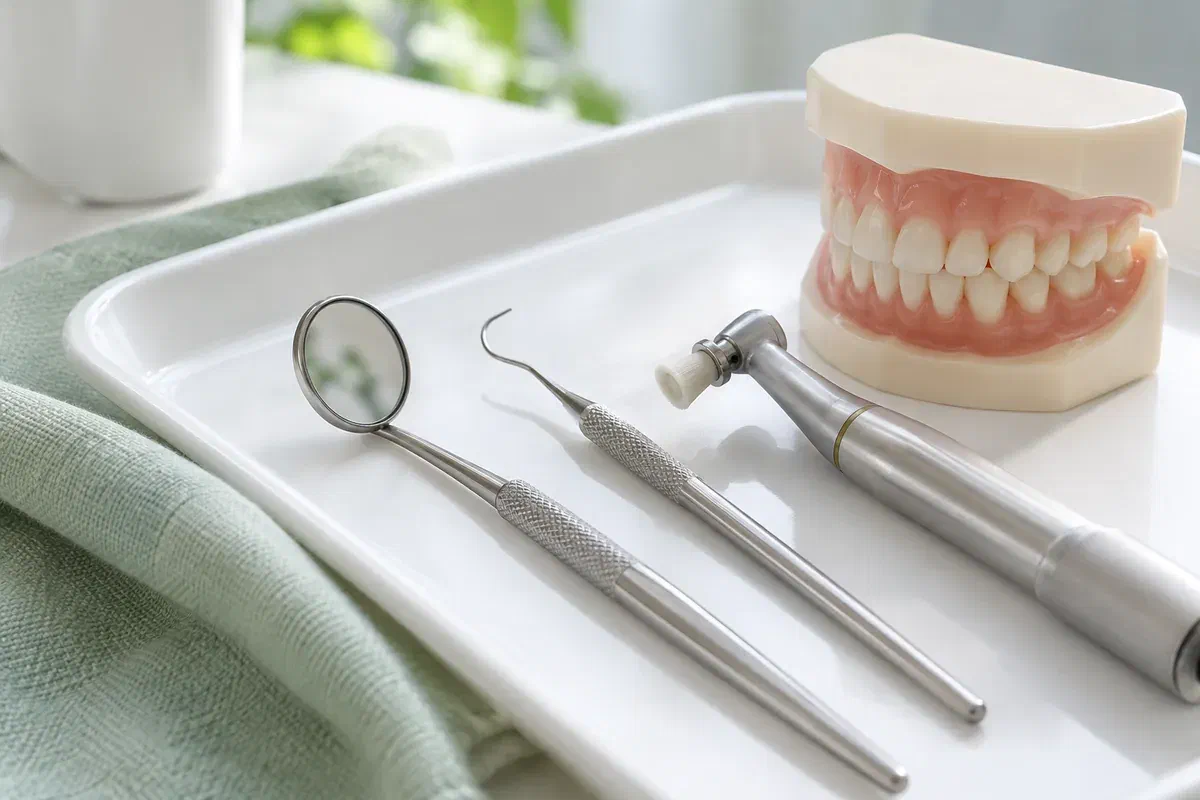
Visible stain is one clue. How your gums behave between visits, your dental work and your comfort during past cleanings all count.
If you notice roughness creeping back soon after a cleaning, tell us where and how soon. That pattern influences the interval we suggest. Please do not scrape it away yourself; metal tools can damage teeth and gums.
Bleeding that comes and goes, sore patches or new cold sensitivity are worth reporting. They shape the gum assessment and comfort planning, and may show that routine cleaning is no longer the full answer.
Coffee, tea and tobacco can leave surface stain that cleaning may reduce. Colour from fillings, crowns or deeper inside the tooth is a different matter. We can tell you what is likely to change with cleaning and what is not.
Tell us about every medication, including blood thinners, and any recent medical advice or new conditions, as these can affect your plan. Never stop or alter prescribed medication on your own before a cleaning.
Professional cleaning clears hardened material your brush and floss cannot. Plaque and tartar play a part in gum inflammation, and leaving them in place for long stretches gives that inflammation more time. Your gum findings guide both the depth of each cleaning and how soon we should see you again.
Surface stain may lessen with cleaning, though no visit can promise identical white teeth. It also will not repair decay, replace a worn filling or rebuild bone that has been lost. Part of every appointment is explaining which findings the cleaning handles and which need their own plan.
Patient information: NIDCR — plaque, tartar, and gum health
We find where deposits are and use techniques suited to enamel, roots and restorations. Let us know about implants, crowns or bridges that may not be in your record, so they are treated with suitable care.
When buildup keeps returning to one spot, the interval is only part of the answer. We can show you a tool or angle that reaches that place, which can make a real difference before your next visit.
After cleaning, we can reassess gums and comfort. The next visit might be routine maintenance or a closer review sooner. Ask how we chose the timing and what signs should bring you in before the date.
Visit length depends on how much has built up and what the gums show. Ask what this appointment includes and whether extra assessment or another session may be needed.
We review symptoms, health updates, buildup and gum condition, and compare them with previous findings. X-rays may be due depending on your history. We agree on a pause signal before beginning.
The hygienist may work with hand scalers, an ultrasonic instrument or a combination, depending on each area. Expect pressure, a hum and some water. Tell us if anything is uncomfortable so we can stop and adapt.
Polishing may reduce some surface stain. It is not a whitening treatment and is not usually the priority. If fluoride or another preventive product is suggested, we explain why and give clear instructions.
We explain what you may notice afterward, show suitable home tools, and suggest a recall interval with the reasons behind it. If gum treatment is advised, we describe how it differs from a maintenance cleaning.
Product-specific and treatment-specific instructions come first. Advice can differ if you had freezing, gum therapy or another procedure.
Brush with fluoride toothpaste and clean between teeth using the aids we recommended. Do not reach for a metal pick when roughness returns. If it keeps happening sooner than expected, let us know; your interval may need adjusting.
Gums can be a little sore and teeth sensitive for a short time, especially if buildup was heavy. Stay with the advice you were given. Phone us if discomfort gets worse, is significant or does not settle, and do not dismiss new symptoms as cleaning-related.
Fluoride varnish and similar products have their own eating and drinking timing; follow it. Keep your recall date in the calendar and tell us about ongoing bleeding or changes in the meantime.
Ask anything about timing, instruments, tenderness or stain. A good answer explains how it relates to your own gums and buildup.
Call our Bronte Street practice to book a cleaning, ask about buildup or stain, or review your recall interval. Mention bleeding, sensitivity or past difficulties when you call. We will look at what your mouth needs and explain the timing we suggest.
Cleaning type and appointment length depend on assessment. If pain or swelling has started, tell us so an examination can be arranged too.
