Buildup along edges and joins
Tartar tends to gather at crown margins, under bridges and beside fillings, where floss is awkward. Show us where it feels rough. Avoid picking at it with metal tools, which can damage both gum and restoration.


Crowns, bridges and fillings from years ago need cleaning that respects them. From Old Milton, a hygiene visit can clear buildup around older work, check your gums, and set a sensible rhythm for upkeep.
Many mouths carry a history: a crown from the nineties, a bridge, a row of fillings placed by different dentists. Edges and joins like these give plaque more places to settle. When it hardens into tartar, home brushing cannot take it off, and the area needs careful professional removal.
Tell us what has changed lately. A margin that catches floss, a dark line where a crown meets the gum, gums that bleed more than they used to, or a tooth that stings with cold. For people in Old Milton who have not had a cleaning in some time, the first visit may focus on assessment before deciding whether routine upkeep or gum treatment fits.
You set the pace, too. If earlier appointments were uncomfortable, say so and agree on how to ask for a pause. Our hygienist can explain each instrument and why it suits a particular surface. Afterward, you should know how to clean around your own restorations between visits.
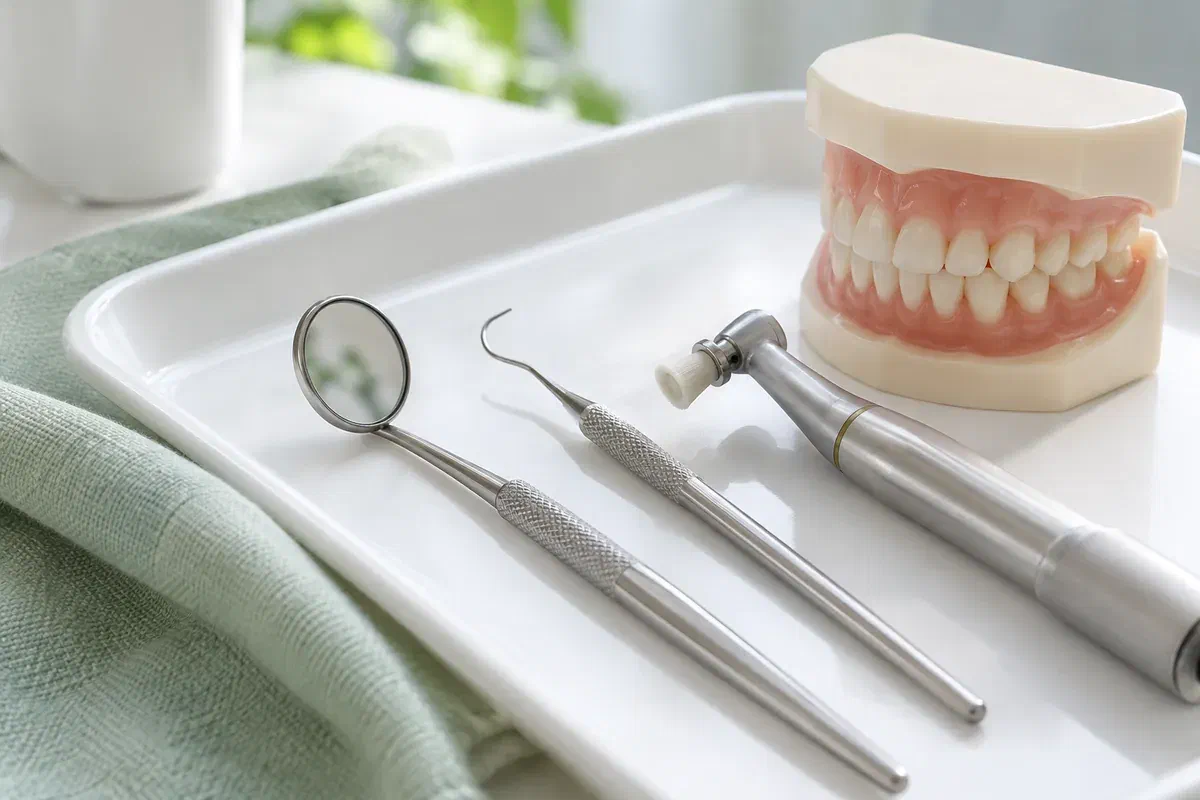
Appearance is one clue among several. Gum changes, the age and type of your restorations, and how past cleanings went all feed into the plan.
Tartar tends to gather at crown margins, under bridges and beside fillings, where floss is awkward. Show us where it feels rough. Avoid picking at it with metal tools, which can damage both gum and restoration.
More bleeding than usual, tender spots or new sensitivity to cold are worth raising before we start. These signs affect how we examine the gums and plan for comfort, and they may mean a gum-care discussion comes before routine cleaning.
A shadow beside a filling or crown might be surface stain that cleaning lifts. It could also be the restoration material, a worn margin, or the tooth beneath. We can tell you what it looks like and what cleaning can realistically do.
Please share an up-to-date medication list, including blood thinners and any advice from your physician. Changes since your last visit matter. Never stop or adjust a prescribed medicine on your own because of a cleaning.
Professional instruments can remove hardened deposits that brushing and flossing leave behind. Plaque and tartar contribute to gum inflammation, and healthy gums matter for natural teeth and for the restorations attached to them. The gum findings decide how thorough the cleaning should be and what follow-up is wise.
Some surface staining may lighten, yet a cleaning will not make every tooth or crown one even shade. It does not fix decay, repair a cracked or leaking filling, or restore bone that has been lost. We will separate what today’s cleaning handles from what needs its own conversation.
Patient information: NIDCR — plaque, tartar, and gum health
Porcelain, metal, composite and natural enamel each call for some care. Let us know about implants or other work missing from your record. The technique should suit the surface and protect what has already been invested in your mouth.
If tartar keeps returning under a bridge or beside one crown, that tells us something about access. We can show you a floss threader, small brush or other aid that reaches the area, rather than simply suggesting more effort.
We can recheck your gums and comfort after care is complete. The next step might be regular maintenance or a focused review of one tooth. Ask why a particular interval is suggested and what signs should bring you back early.
The length of the appointment follows the findings. Ask what today covers and whether more assessment or a second cleaning visit may be needed.
We review symptoms, health changes, buildup and gum condition, paying attention to existing restorations. X-rays or further examination may be suggested to clarify what is needed. Before instruments come out, we agree on a pause signal.
The hygienist may use hand scalers, a powered scaler or both, depending on the surface and what is found. Pressure, vibration and water spray are common sensations. Speak up about discomfort so we can stop, discuss it and adjust.
Polishing may help with selected surface stain where appropriate. It does not whiten teeth or crowns and is seldom the main purpose of the visit. Any fluoride or other product should come with a reason and clear instructions.
We explain what you might feel afterward and how to clean around your restorations. If gum reassessment or deeper treatment is advised, we describe how that differs from the cleaning you just had.
Follow any instructions tied to the products or procedures used. Advice can change if freezing, gum treatment or other care was part of the appointment.
Use fluoride toothpaste and the interdental aids recommended for your spacing and restorations. Resist scraping at buildup with a household or online-bought metal tool. If one area keeps catching, book a check rather than working on it yourself.
Gums may feel sore, or teeth sensitive, for a short time after cleaning, depending on what was treated. Follow the advice given and call if discomfort worsens, is significant, or is not settling. Not every new symptom comes from the cleaning.
When fluoride or another product was applied, its own instructions decide when to eat or drink. Keep your review appointment and tell us about bleeding or other changes, so the plan reflects how your mouth is responding.
Ask about instruments, tender spots, stain, or the type of cleaning suggested. Answers should relate to what is actually happening in your mouth.
Our Bronte Street practice sits a short way from Milton’s historic downtown. Call to discuss buildup around older work, stain, or when your next cleaning is due. Mention bleeding, sensitivity or a difficult past visit when you book.
The type of cleaning and appointment length depend on your assessment. Let us know about new pain or swelling so we can arrange the right examination.
