

Illustrative conversation about caring for exposed root surfaces
General & Family Dentistry

Root-Cavity Prevention in Acton

A firm brush and a vigorous scrub can feel thorough, yet exposed roots usually do better with a lighter touch. From Acton, come in to have those surfaces checked and swap force for a technique, brush, and fluoride routine that protect them.

Technique over pressure

Put the hard-bristled brush down for a moment.

Plenty of careful brushers press hard because it feels like the job is getting done. Where gum has receded, though, the surface underneath is root, which lacks the enamel armour of the crown and can be more prone to decay. Exposed root is not the same as a cavity. It does respond better to accuracy than to force.

Coming from Acton, you can expect the first visit to focus on how you actually clean. The dentist examines the exposed roots, and we may ask you to show us your usual brushing on a model or in your own mouth. We also ask about sensitivity, dryness, and where food collects, so we can tell a surface needing protection from one needing repair.

Small changes often make the biggest difference: a softer brush, a different angle at the gum, an interdental aid, and fluoride advice suited to your risk. If dryness is part of the picture, we talk about that too. No routine can promise a healthy root, and the plan should be updated when your health, medicines, or habits change.

Learn a gentler technique for exposed roots
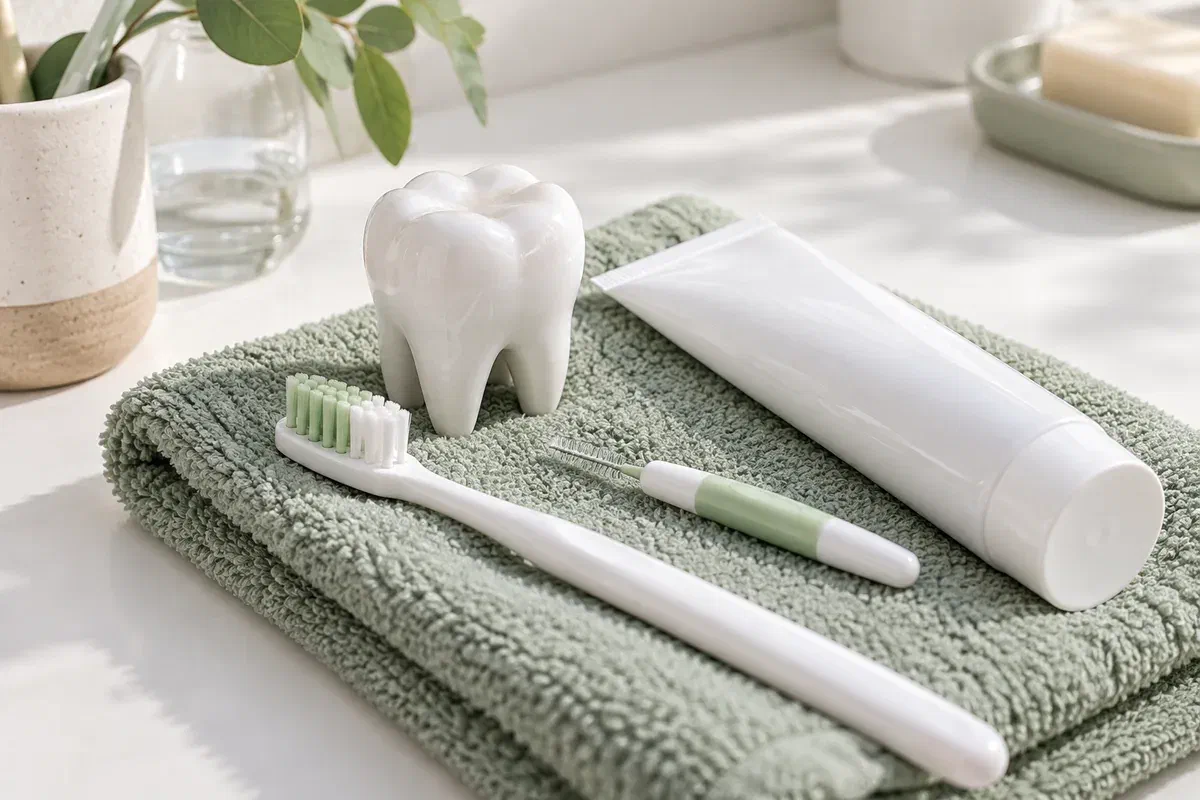
Illustrative soft toothbrush and interdental brush for a preventive routine
What heavy brushing can hide

Signs your routine might need a rethink

Risk at the root depends on the exposed surface, how it is cleaned, and saliva. Mention what you notice and let the exam decide whether decay is involved.

Sore or sensitive gum edges

Brushing may leave the gum tender, or cold drinks may sting right where tooth meets gum. Note when this started and what triggers it. Several causes are possible, so we check before suggesting a product or blaming technique alone.

A mouth that runs dry

Less saliva means less natural rinsing. Tell us if you wake dry, need frequent sips, or noticed dryness after a medicine change, and bring your list. Stay on any prescribed treatment; if the timing lines up, your doctor or pharmacist may be worth looping in, and we can help you decide.

Plaque that survives the scrub

Pressing harder often misses the same spot, such as a crowded contact or the edge of a filling. Show us where plaque keeps returning. A lighter, better-aimed stroke and the right small brush usually work better than more effort.

A notch or colour change at the gumline does not prove root decay by itself. Avoid scraping or testing it. Ask for an assessment, especially if it seems to be getting deeper, catches food, or is uncomfortable.

What changes with a better method

Clean more, press less.

Root-cavity prevention combines technique, fluoride, sugar habits, and saliva into one approach. The mix depends on your mouth. A heavy brusher with healthy roots may mainly need technique coaching, while someone with dryness and past root decay may need a broader plan.

No method rebuilds lost structure or guarantees that an exposed root stays sound, and having exposed roots does not mean fillings are needed. Each time we recommend a step, ask what it is for: protecting a surface that is healthy now, keeping an early change from spreading, or fixing harm that has already happened.

Patient information: ADA — aging, exposed roots, and caries risk

A stroke that reaches the root

We show you the angle and pressure that clean the exposed area without scrubbing it. Practising in the chair, with feedback, helps the new motion feel natural. Many people are surprised by how light the right pressure feels.

A brush and paste that fit

We can suggest a softer brush and explain what any fluoride product is for, how and when to use it, and whether it comes from the pharmacy shelf or a prescription. Bring what you use now.

Adjustments as habits settle

Old habits can creep back, dryness can increase, and new dental work can change access. Tell us at reviews what has been easy and what has not. The routine should keep fitting, rather than drifting back to the old scrub.

During your appointment

Watch, examine, coach, recheck.

First the dentist works out whether each uncovered root is simply exposed or actively decaying. Then the advice is built around your technique and what you can keep doing at home, with time set aside to practise.

  1. Show us your routine

    Bring your brush and describe how you clean. We ask about earlier cavities, recession, dryness, medicines, and snacks and drinks. Mention anyone who helps you. Showing us what you really do lets us coach the parts that matter.

  2. Examine the roots and gums

    The dentist checks exposed surfaces and gum tissue and decides whether more records would help. You will hear which areas are healthy, which are worth watching, and whether anything calls for treatment, with the spots pointed out so you know exactly where they are.

  3. Practise and plan

    We practise a gentler technique with a suitable brush, choose interdental aids, and agree on fluoride and steps for dryness or frequent sugar. Prescription products or in-chair applications come with clear instructions. Should decay need treating, the dentist talks through that option on its own terms.

  4. Check the new habit

    Agree on a review date and what will be looked at. Let us know if the new technique feels awkward or the gum gets sore before then. Habits take time, and the plan can be refined as you go.

Practising at home

Light pressure, every day.

Stick to the technique and products recommended for you. Any prescription fluoride should be used as directed and stored well away from children.

Hold the brush loosely

Some people find a fingertip grip helps them press less. Use the soft brush and angle we practised, and ask how to clean between teeth without forcing. If the gum is sore or cleaning hurts, tell us so we can check why.

Watch frequent sweets and sips

Candies, sweetened drinks, or lozenges taken often to ease dryness can work against the plan. Mention what you use. We can suggest alternatives and look into the cause of the dryness.

Notice, then tell us

If an area hurts, feels rough, or starts catching food, call rather than testing it with ice or a toothpick. Keep your reviews even when the area is comfortable, since feeling fine cannot confirm a root surface is stable.

Choosing a direction

Coaching may be enough. Sometimes it is not.

Begin with what the exam found. Exposed roots that are sound, a spot showing an early lesion, and a cavity with lost structure each lead to different care.

Healthy roots that need protecting

Technique and home prevention

Here the main tools are a lighter brushing stroke, the right fluoride, and fewer sweet top-ups through the day. We note the surfaces to watch and when to recheck them. Choosing this path never means a diagnosed concern goes unreviewed.

Higher risk or an early lesion

Added fluoride or early-lesion care

The dentist may suggest an additional fluoride measure or another approach for an early lesion. Ask what it aims to do, what it cannot do, whether it changes the tooth’s appearance, and how you will know if it is working.

When structure is already lost

Repair of a cavity

The cavity’s depth, location, access, and the tooth’s condition determine repair options, which the dentist will explain. Gentle technique and prevention still matter afterward, because a filling does not remove the reasons decay developed.

Patient information: ADA — fluoride and caries prevention

Brushing and root questions

How hard is too hard?

Ask about brushing pressure, brush types, recession, fluoride, and dryness. Recommendations should follow an examination of your own teeth.

(905) 876-4488
How do I know if I am brushing too hard?
Splayed bristles after a few weeks, sore gums, or a scrubbing sound can be clues. The best way to know is to show us. We can watch your technique and suggest how much pressure is enough.
Is a medium or hard toothbrush ever right for exposed roots?
Soft brushes are generally recommended, especially around exposed roots and receding gums. If you prefer a firmer feel, tell us why, and we can talk about technique and alternatives during the visit.
Can a notch at the gumline be caused by brushing?
Notches can have several causes, including wear and decay. The dentist needs to examine the area to tell which applies. Ask what was found and whether any change to technique, monitoring, or treatment is advised.
Do powered toothbrushes with pressure sensors help?
That warning light or buzz can be a handy way to retrain a heavy hand. A soft manual brush used lightly can work just as well. Bring the brush you have, and we can check how it suits your mouth.
If I brush more gently, will plaque build up?
Not if the brush is aimed well. Accuracy matters more than force. We can show you how to clean along the gumline with light pressure and check at review that plaque is being removed.
Does fluoride still work if I brush less forcefully?
Fluoride benefit depends on contact with the tooth surface, not on scrubbing. Follow the directions you are given, such as not rinsing straight away if that is advised, and ask if you are unsure.
Root care for Acton

Trade force for technique.

Call our Bronte Street practice to discuss brushing habits, recession, or dryness. The dentist will look at your exposed roots, explain the findings, and help you settle on preventive or treatment options suited to you.

A visible root is not necessarily a decayed one. If something starts hurting or a surface keeps changing, have it examined instead of relying on a new brush.

Visit Milton Dental Clinic
Unit 1, 342 Bronte St. S, Milton, ON L9T 5B7
Get directions Clinic hours
Monday–Thursday
11am–7pm
Friday–Sunday
By appointment only

Areas we serve

  • Milton
  • Oakville
  • Mississauga
  • Georgetown
  • Halton Hills
  • Acton
  • Campbellville
  • Brampton
  • Burlington
  • Puslinch
  • Rockwood
  • Erin
  • Caledon
  • Etobicoke
  • Old Milton
  • Bronte Meadows
  • Timberlea
  • Dorset Park
  • Dempsey
  • Clarke
  • Beaty
  • Coates
  • Harrison
  • Scott
  • Willmott
  • Ford
  • Bowes
  • Cobden
  • Walker
  • Mountain View
  • Milton Heights
  • Hawthorne Village
  • Valley View
  • Fallingbrook
  • Nassagaweya
  • Trafalgar
  • Esquesing
  • Nelson
  • Brookville
  • Moffat
  • Glen Williams
  • Norval
  • Limehouse
  • Stewarttown
  • Ashgrove
  • Hornby
  • Silver Creek
  • Speyside
  • Scotch Block
  • North Oakville
  • River Oaks
  • Glen Abbey
  • West Oak Trails
  • Palermo
  • Bronte Creek
  • College Park
  • Joshua Creek
  • Uptown Core
  • Preserve
  • Iroquois Ridge
  • Lisgar
  • Meadowvale
  • Meadowvale Village
  • Churchill Meadows
  • Erin Mills
  • Central Erin Mills
  • Streetsville
  • East Credit
  • Creditview
  • Heartland
  • Sheridan
  • Mount Pleasant
  • Credit Valley
  • Huttonville
  • Churchville
  • Springbrook
  • Northwest Brampton
  • Bram West
  • Fletcher's Meadow
  • Fletcher's Creek South
  • Alton Village
  • Orchard
  • Millcroft
  • Headon Forest
  • Tansley
  • Brant Hills
  • Tyandaga
  • Kilbride
  • Lowville
  • Aberfoyle
  • Morriston
  • Arkell
  • Hillsburgh
  • Freelton
  • Carlisle
  • Waterdown
  • Flamborough
  • Mountsberg

How can we help?

Milton Dental Clinic

Have a question about your smile? Choose the option that works best for you.

For urgent dental concerns, please call.
Messages are reviewed during clinic hours.