

Illustrative conversation about caring for exposed root surfaces
General & Family Dentistry

Root-Cavity Prevention in Georgetown

Had a root cavity filled already? That history is a good reason to look after the other exposed roots in your mouth. From Georgetown, plan a visit to review your risk, sharpen your routine, and set check-ups that make sense.

After a first root filling

One repair is a signal, not the end of the story.

A filling near the gumline fixes one damaged spot. It does not change why that spot decayed, and other exposed roots may face the same conditions. Root surfaces lack the enamel layer of the crown and can break down more easily. Having had one root cavity suggests higher risk, but it does not mean every other exposed root will follow.

If you are coming from Georgetown, a prevention review starts by looking back. What was happening when the first cavity formed: a dry spell, a new medicine, a change in diet or cleaning? The dentist then examines your other exposed roots and the repaired tooth, and we ask about sensitivity, food trapping, and hard-to-reach spots.

With that history in view, the plan can target what probably contributed. That might mean stronger fluoride guidance, a change to how you clean near the gum, or attention to dryness. Nothing guarantees a root stays healthy, so the plan is revisited when your health, medicines, or routine move on.

Review your risk after a root filling
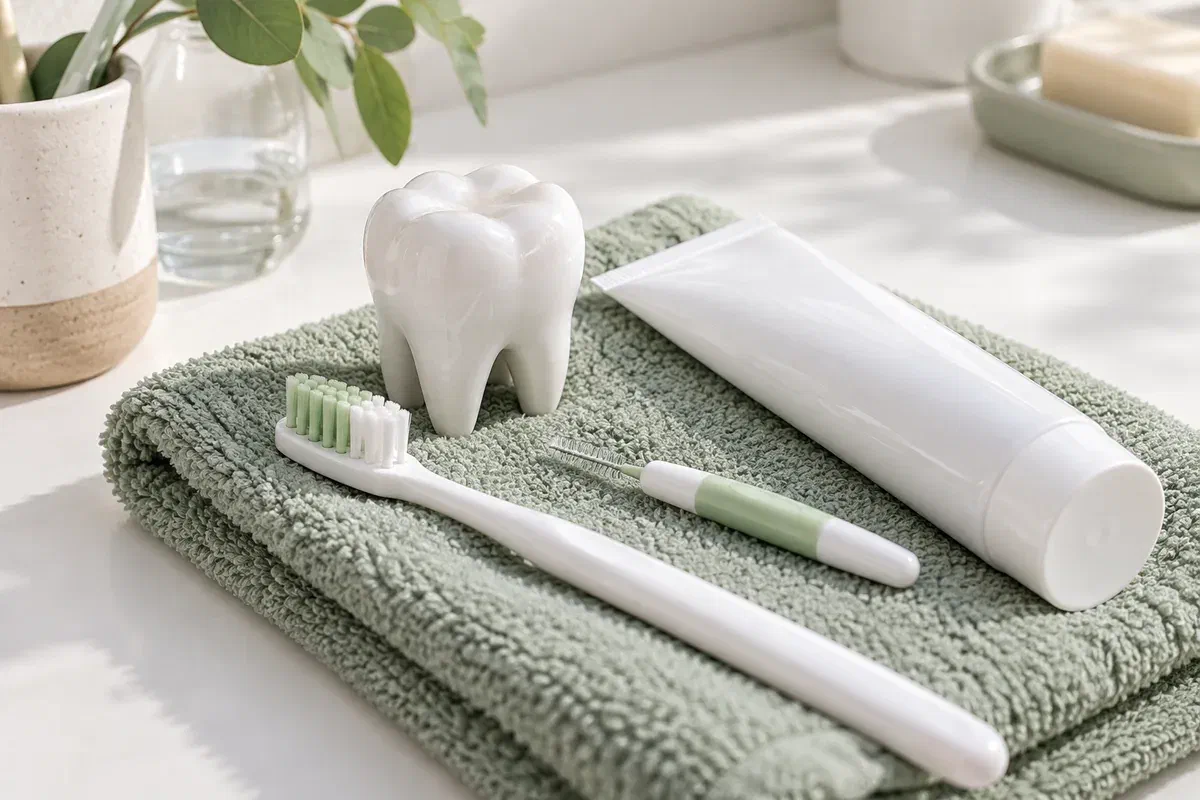
Illustrative soft toothbrush and interdental brush for a preventive routine
Patterns behind the first cavity

What led to the first one?

Root-cavity risk is shaped by the exposed surface and the conditions around it. Describe what has changed over time, and let the exam decide whether anything new has started.

Sensitivity near other roots

A twinge at the gum on a different tooth, or recession appearing elsewhere, is worth mentioning. Tell us when you noticed it and what triggers it. Sensitivity has several possible causes, so the dentist checks rather than assuming another cavity.

Dryness that may have played a part

If your mouth was dry around the time of the first cavity, or still is, say so. Bring a current medicine list. Continue prescribed treatment; we can discuss whether the dryness should be raised with your physician or pharmacist.

Hard-to-clean areas near the filling

The edge of a new filling, a crowded contact, or a back tooth that is hard to reach can make plaque linger. Point to the area. Seeing the right small brush or angle in action usually helps more than extra force.

A darker margin around a filling or along the gum does not, on its own, confirm new decay. Avoid scraping or testing it. Book an assessment if it changes, holds food, or feels uncomfortable.

Why prevention matters now

Learning from one tooth to protect the rest.

Prevention brings together cleaning, fluoride, sugar frequency, and saliva. A previous root cavity often tips the balance toward a more active plan, especially when dryness is involved. Someone whose only concern is mild recession may need less.

A plan cannot replace structure already lost or promise that other roots will stay sound. Nor does past decay mean every exposed root needs a filling now. With each recommendation, ask whether its purpose is to stop a new lesion forming, steady an early change, or fix damage that is already present.

Patient information: ADA — aging, exposed roots, and caries risk

A routine shaped by your history

Knowing where the first problem developed helps us point to surfaces with similar risk. We show you those areas in a mirror and practise the brushing angle with you, so the advice is easy to repeat at home.

Fluoride with a stated goal

If a stronger product is suggested, we explain why, how much and when to use it, and whether a pharmacy needs to fill it. Bring what you use now. A product you understand is more likely to be used consistently.

Reviews that track change

With a history of root decay, regular comparison matters. If dryness increases or the routine becomes hard, mention it. The plan should be adjusted as findings change, rather than continuing unchanged.

What a prevention review involves

Look back, look closely, then look ahead.

The exam separates exposed but healthy roots from new decay, and also checks the repaired tooth. Advice then reflects the findings and what you can sustain.

  1. Revisit what happened before

    We talk about the earlier root cavity, any recession, dryness, medicines, diet, and how you clean. Mention any help you receive. Being candid about the real routine helps us find the most useful changes.

  2. Assess every exposed root

    The dentist examines exposed surfaces, the margins of the existing filling, and the gums, and decides whether more records would help. You can ask which roots look sound, which to monitor, and whether anything requires care. A mirror makes the location clear.

  3. Agree on the measures

    We discuss cleaning tools, the fluoride approach, and ways to manage dryness or frequent sugar. A prescription-strength product or in-office application comes with directions and a review plan. If new decay is found, its treatment gets a separate discussion of benefits and limits.

  4. Set the next comparison

    Leave knowing the date of the next check and which surfaces it will focus on. Should the routine prove hard or something change in the meantime, let us know before then. Prevention works best as an ongoing conversation shaped by findings and feedback.

Day-to-day protection

Steady habits around every exposed root.

The routine you leave with is written for your mouth, so stick to it rather than borrowing tips meant for someone else. A prescribed fluoride product has its own directions and belongs on a shelf children cannot reach.

Gentle around the filling and gum

Use the brush and motion we demonstrated instead of pressing harder. Ask how to clean along the filling edge and between teeth without irritating the gum. If cleaning becomes painful, tell us so we can review the cause and the technique.

Rethink frequent sweet sips

If you used candies or sweetened drinks to cope with dryness before the first cavity, that habit is worth discussing. Frequent sugary or acidic exposure can undercut prevention. Ask about alternatives and about assessment of persistent dryness.

Report rather than test

Let us know about new pain, a rough surface, or food catching instead of checking repeatedly with cold drinks or a pointed object. Keep your reviews even if you feel fine, since comfort cannot show whether a root surface is stable.

Options after a past cavity

Is this root to protect, to watch, or to repair?

Ask what the exam shows for each area. Sound roots, early lesions, and cavities with lost structure are handled differently, even in the same mouth.

Roots that are sound but at risk

A more active home routine

Careful cleaning, fluoride suited to a higher-risk history, and attention to habits like snacking form the base. The plan names the roots to watch and when they will be compared. Prevention does not mean leaving a diagnosed problem unchecked.

Higher risk or an early lesion

In-office or prescription support

The dentist may suggest an additional fluoride step or another approach to manage an early lesion. Ask what it is designed to achieve, what it cannot do, any effect on appearance, and how it will be followed up.

When prevention is not sufficient

Repair where decay has done damage

A cavity’s depth, location, access, and the tooth’s overall condition guide the repair. The dentist will explain the possibilities. Prevention continues afterward, because a new filling does not address what caused the decay.

Patient information: ADA — fluoride and caries prevention

Georgetown prevention questions

After one filling, what changes?

Bring questions about your history, recession, fluoride, and dryness. Answers should come from an examination, not from how a tooth looks or feels.

(905) 876-4488
Does having one root cavity mean I will get more?
It can suggest higher risk, but it does not make more cavities certain. The dentist looks at what contributed before and whether those factors remain. Ask which roots need closer attention and what you can change.
Can decay come back around the edge of my new filling?
Decay can develop at a filling margin, especially if plaque collects there. Careful cleaning and regular review help. Ask how to reach the edge and report food catching, sensitivity, or a rough feel.
Should my review appointments be more frequent now?
Possibly, depending on your risk, dryness, and what was found. The dentist can suggest an interval and explain what each review will compare. As the picture becomes clearer, the timing can be adjusted.
Is prescription fluoride toothpaste a lifelong commitment?
Not necessarily. Recommendations can change if your risk changes. Use the product as directed while it is part of the plan, and ask at reviews whether it is still needed.
Could my recession get worse and expose more root?
Recession can progress in some people, and the cause matters. Ask whether a separate gum assessment would help. Root-surface prevention protects what is exposed but does not restore gum coverage.
What can I change in my diet without giving everything up?
Often the frequency of sugary snacks and drinks matters more than the occasional treat. Tell us your usual pattern, including drinks and lozenges, and we can suggest realistic changes that support the plan.
From Georgetown

Let’s protect the roots that are still healthy.

Contact our Bronte Street practice to review your risk after a root cavity, or to discuss recession and dryness. The dentist will check each exposed area, tell you plainly what was found, and help you choose prevention or treatment that fits.

Past root decay does not mean every exposed root is decaying now. Any new ache, or a surface that looks or feels different, should be examined promptly.

Visit Milton Dental Clinic
Unit 1, 342 Bronte St. S, Milton, ON L9T 5B7
Get directions Clinic hours
Monday–Thursday
11am–7pm
Friday–Sunday
By appointment only

Areas we serve

  • Milton
  • Oakville
  • Mississauga
  • Georgetown
  • Halton Hills
  • Acton
  • Campbellville
  • Brampton
  • Burlington
  • Puslinch
  • Rockwood
  • Erin
  • Caledon
  • Etobicoke
  • Old Milton
  • Bronte Meadows
  • Timberlea
  • Dorset Park
  • Dempsey
  • Clarke
  • Beaty
  • Coates
  • Harrison
  • Scott
  • Willmott
  • Ford
  • Bowes
  • Cobden
  • Walker
  • Mountain View
  • Milton Heights
  • Hawthorne Village
  • Valley View
  • Fallingbrook
  • Nassagaweya
  • Trafalgar
  • Esquesing
  • Nelson
  • Brookville
  • Moffat
  • Glen Williams
  • Norval
  • Limehouse
  • Stewarttown
  • Ashgrove
  • Hornby
  • Silver Creek
  • Speyside
  • Scotch Block
  • North Oakville
  • River Oaks
  • Glen Abbey
  • West Oak Trails
  • Palermo
  • Bronte Creek
  • College Park
  • Joshua Creek
  • Uptown Core
  • Preserve
  • Iroquois Ridge
  • Lisgar
  • Meadowvale
  • Meadowvale Village
  • Churchill Meadows
  • Erin Mills
  • Central Erin Mills
  • Streetsville
  • East Credit
  • Creditview
  • Heartland
  • Sheridan
  • Mount Pleasant
  • Credit Valley
  • Huttonville
  • Churchville
  • Springbrook
  • Northwest Brampton
  • Bram West
  • Fletcher's Meadow
  • Fletcher's Creek South
  • Alton Village
  • Orchard
  • Millcroft
  • Headon Forest
  • Tansley
  • Brant Hills
  • Tyandaga
  • Kilbride
  • Lowville
  • Aberfoyle
  • Morriston
  • Arkell
  • Hillsburgh
  • Freelton
  • Carlisle
  • Waterdown
  • Flamborough
  • Mountsberg

How can we help?

Milton Dental Clinic

Have a question about your smile? Choose the option that works best for you.

For urgent dental concerns, please call.
Messages are reviewed during clinic hours.