

Illustrative older adult speaking with a hygienist before a cleaning visit
General & Family Dentistry

Teeth Cleaning for Seniors in Puslinch

Several years since your last cleaning? That is more common than people admit. Older adults from Puslinch are welcome to restart regular care without judgment, beginning with an honest look at where things stand.

Puslinch · Coming back to care

It has been a while. That’s all right.

Life gets in the way. A retirement move, caring for a spouse, a long winter on a rural property, or simply losing touch with a former dentist can stretch the gap between cleanings into years. Walking back in can feel awkward. The useful thing is to come, explain what has changed, and start from there.

After a long break, the first visit is partly about catching up. We want to know which natural teeth remain, what crowns, bridges, implants or partials you have, and how your gums have been feeling. Those findings, rather than your age, shape what kind of cleaning is appropriate and whether more than one appointment makes sense.

A cleaning removes deposits that have built up and gives a clear view of what home care is reaching. It is not the same as an examination and cannot repair damaged teeth, though it may reveal areas that need one. You should leave understanding today’s work, anything still to be looked at, and a realistic way to keep going.

Restart your regular cleanings
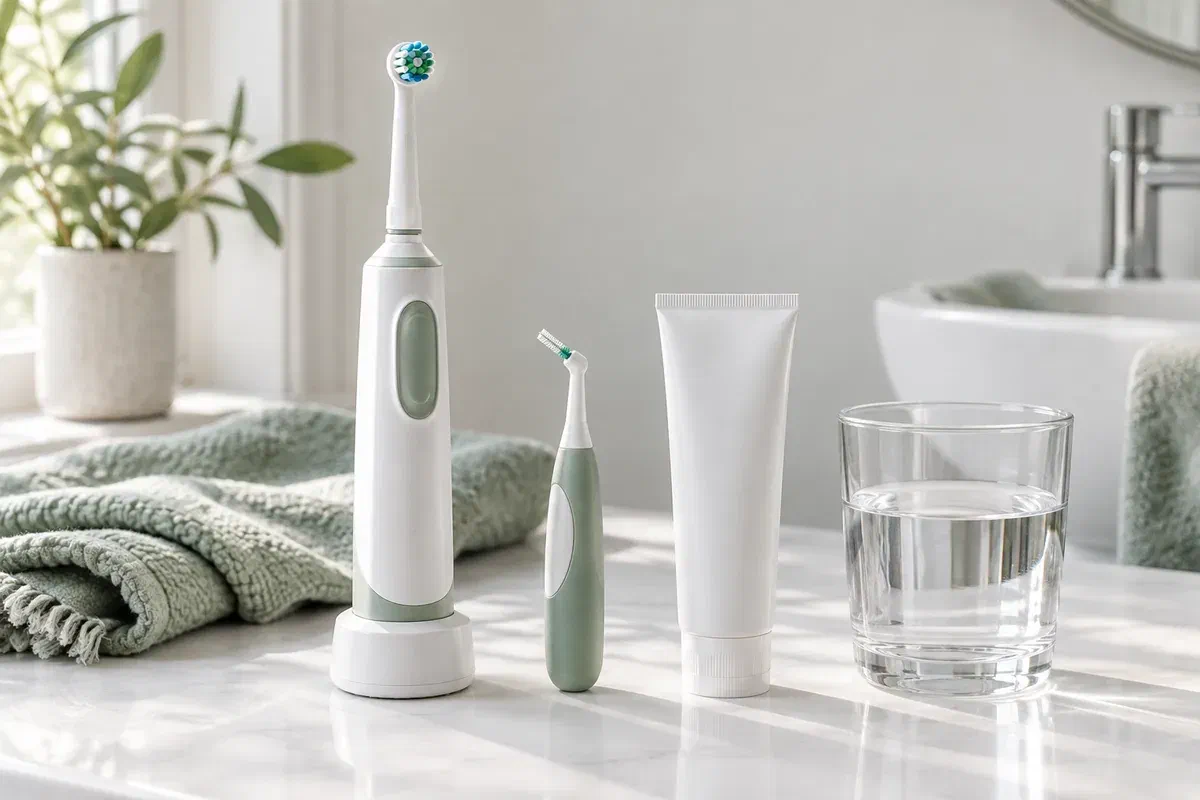
Illustrative easy-grip toothbrush and oral-care tools on a bright counter
What to share after a long gap

Start with what you have noticed

Let us know practical needs when booking so they can be prepared for. If you can, bring health information and any old records or the name of your previous dentist.

Teeth or gums that have changed

Mention bleeding when you brush, tender spots, food trapping, loose teeth or a crown that feels different. Bring any removable appliance, even one you have stopped wearing. Loose teeth and broken fillings need more than a routine clean, so it helps to know early.

Habits that have drifted

Maybe flossing stopped years ago, or a stiff hand made brushing quicker and lighter. There is no need to apologise. Describing your current routine honestly helps the team suggest something achievable from here.

Health updates since your last visit

A lot can change in a few years. Bring a full medicine list and any relevant medical advice. Mention new diagnoses, swallowing or breathing concerns, and any discomfort with lying back. Ask about access or communication needs in advance.

Whatever your medicines are, keep taking them as prescribed before the appointment. A blood thinner in particular should only be adjusted on the direct advice of the clinician who manages it. We need the details to plan, not to make changes.

Why getting back on track helps

A fresh baseline

After a gap, the first cleaning resets things. Deposits that have hardened over time are removed, and the hygienist records the state of the gums, the areas your brush misses and the condition of any older restorations. That gives you and the team a baseline for future visits.

It is worth being realistic. One cleaning cannot make up for every year missed, guarantee that teeth or restorations will last, or reverse changes in the gum and bone. Unexplained pain needs its own investigation. Ask which findings can be handled by maintenance and which need an examination or separate plan.

Patient information: CDA — dental examinations and oral care as you age

A picture of your current dental work

If you have had crowns, bridges or implants placed by a dentist you no longer see, tell us what you remember. Implants and natural teeth need different care. Ask how today’s cleaning and your home advice take each into account.

A routine that suits you now

The brush you used years ago may not suit your hands today. A thicker handle, smaller head or different interdental tool may help. Try the technique during your visit rather than leaving with only a product name.

Someone in your corner, if you like

A partner, adult child or friend can come along for support or help you remember the plan. Discuss their role with the team. They are there to support your own choices, with consent and decision-making arrangements clarified if needed.

Your first visit back

What to expect when you return

When years have passed, the amount of cleaning and time needed can vary more than usual. Ask at the start what can reasonably be done today and whether care may be spread over more than one visit.

  1. Bring us up to date

    We talk through your health, medicines, any dental treatment since your last cleaning and what you would like checked. Tell us how you prefer explanations. Agree on a pause signal, and raise any concern about reclining before we begin.

  2. Assess the gums and build-up

    The hygienist checks how much deposit has collected and the condition of the gums, then considers whether routine cleaning is suitable or gum treatment should be discussed. Mention bleeding or soreness. An examination may be needed to clarify some findings.

  3. Begin the cleaning that fits

    Instruments suit the deposits, surfaces and clinical needs. If there is a lot to do, care may be planned in stages. Ask for breaks, clearer explanations or help with water whenever you need them.

  4. Set a plan you can keep

    Practise home care around any tricky bridge, implant or exposed root before leaving. Confirm what the next appointment will focus on and any instructions for products used. With your permission, a helper can hear the plan too.

Keeping the momentum

Small steps between appointments

Follow the instructions for the treatment you had. If something is too difficult, whether it is the grip, your eyesight, swallowing or keeping track of steps, tell the team and the plan can be simplified.

Start with one or two new habits

Use the brush or interdental aid you practised with, using the technique you were shown. Some people do well with a powered brush or wider handle, but neither is essential. If a tool feels wrong, call and ask about alternatives.

Notice how your mouth responds

Some tenderness may be explained at your visit, but lasting dryness, new sores or changes in chewing should be reported. These are not inevitable with age. The team can tell you whether a check is needed and what to do meanwhile.

Care for appliances as instructed

If you wear a partial or have bridges or implant crowns, follow the cleaning steps given for each one. Avoid using one strong product on everything. Treat appliances and natural teeth as distinct parts of your routine.

Patient information: ADA — oral care considerations for older adults

Where you go from here

One appointment or a short series?

Ask the purpose of each recommendation, and whether upcoming visits are about cleaning, gum disease, repairs or several needs together.

When deposits and gums allow a regular schedule

Return to routine maintenance

This care removes the deposits found and supports your home routine going forward. How often you return depends on your mouth. Ask why a particular interval is advised rather than assuming every older adult needs the same.

When the supporting tissues need attention first

Gum treatment before maintenance

Gum disease that has become established during the gap may need staged treatment with reassessment. Ask how it differs from routine cleaning, how many visits are likely, how comfort is managed, and what will show improvement.

When the cleaning reveals other needs

Repairs or other assessment

Decay, a broken restoration, pain, medical considerations or complex support needs may require additional planning. Ask whether another clinician should be involved. Cleaning should be one part of that plan, not a substitute for it.

Questions from Puslinch

Coming back after years away

Ask anything that would make returning to care easier. Practical questions help us plan the right treatment for you.

(905) 876-4488
Will the hygienist be annoyed that I haven’t been in years?
No. Gaps in care are common, and the team’s job is to help from where you are now. Being honest about the time since your last cleaning and your current habits makes it easier to plan appropriately.
Will my first cleaning back take longer than usual?
It may, depending on how much build-up is present and the condition of your gums. In some cases care is split across visits. Ask what the team recommends and why.
Do I need my old dental records?
They can help but are not essential. Bring what you have, or the name of your former dentist. Describing past treatment as best you remember is also useful.
My gums bleed when I brush. Should I stop brushing there?
Mention the bleeding at your visit instead of avoiding the area. The team can assess the cause and show you how to clean gently and effectively. Report bleeding that is heavy or does not settle.
Does a long gap mean I’ll need a deep cleaning?
Not automatically. The decision depends on the condition of your gums and supporting tissues, not the time away or your age. Ask the team to explain the findings and the purpose of the cleaning they suggest.
How can I keep from slipping out of routine again?
Book the next visit before you leave if that helps, and ask for a written summary of your home routine. Mention any travel or scheduling challenges so appointments can be planned around them.
Seniors’ cleaning, welcoming Puslinch

Whenever you’re ready to restart

Get in touch with our Bronte Street practice and ask for a cleaning assessment. Mention how long it has been, any dental work or sore spots, and the comfort or support you would like, so the first visit back can be planned.

Please let us know about access or support needs when booking. The treatment you receive and the time it takes depend on your individual assessment.

Visit Milton Dental Clinic
Unit 1, 342 Bronte St. S, Milton, ON L9T 5B7
Get directions Clinic hours
Monday–Thursday
11am–7pm
Friday–Sunday
By appointment only

Areas we serve

  • Milton
  • Oakville
  • Mississauga
  • Georgetown
  • Halton Hills
  • Acton
  • Campbellville
  • Brampton
  • Burlington
  • Puslinch
  • Rockwood
  • Erin
  • Caledon
  • Etobicoke
  • Old Milton
  • Bronte Meadows
  • Timberlea
  • Dorset Park
  • Dempsey
  • Clarke
  • Beaty
  • Coates
  • Harrison
  • Scott
  • Willmott
  • Ford
  • Bowes
  • Cobden
  • Walker
  • Mountain View
  • Milton Heights
  • Hawthorne Village
  • Valley View
  • Fallingbrook
  • Nassagaweya
  • Trafalgar
  • Esquesing
  • Nelson
  • Brookville
  • Moffat
  • Glen Williams
  • Norval
  • Limehouse
  • Stewarttown
  • Ashgrove
  • Hornby
  • Silver Creek
  • Speyside
  • Scotch Block
  • North Oakville
  • River Oaks
  • Glen Abbey
  • West Oak Trails
  • Palermo
  • Bronte Creek
  • College Park
  • Joshua Creek
  • Uptown Core
  • Preserve
  • Iroquois Ridge
  • Lisgar
  • Meadowvale
  • Meadowvale Village
  • Churchill Meadows
  • Erin Mills
  • Central Erin Mills
  • Streetsville
  • East Credit
  • Creditview
  • Heartland
  • Sheridan
  • Mount Pleasant
  • Credit Valley
  • Huttonville
  • Churchville
  • Springbrook
  • Northwest Brampton
  • Bram West
  • Fletcher's Meadow
  • Fletcher's Creek South
  • Alton Village
  • Orchard
  • Millcroft
  • Headon Forest
  • Tansley
  • Brant Hills
  • Tyandaga
  • Kilbride
  • Lowville
  • Aberfoyle
  • Morriston
  • Arkell
  • Hillsburgh
  • Freelton
  • Carlisle
  • Waterdown
  • Flamborough
  • Mountsberg

How can we help?

Milton Dental Clinic

Have a question about your smile? Choose the option that works best for you.

For urgent dental concerns, please call.
Messages are reviewed during clinic hours.