

Illustrative older adult speaking with a hygienist before a cleaning visit
General & Family Dentistry

Teeth Cleaning for Seniors in Rockwood

Gums that have drawn back can leave root surfaces sensitive to cold, touch and instruments. Seniors coming from Rockwood can talk through those tender spots before cleaning begins and agree how the visit will be paced.

Sensitive roots, careful cleaning

When a cold drink makes you wince

Over the years, gums can pull back from some teeth and expose the root surface beneath. Many people first notice it with an iced drink or a cold breath of winter air. Those same areas can feel sharp during a cleaning, which is a good reason to mention them before any instrument comes near.

Sensitivity is only one part of the picture. Some older adults have mostly natural teeth, while others have crowns, bridges, implants or a partial. The gums, the dental work present and what you find hard at home all shape the visit. The number of birthdays you have had does not.

Professional cleaning removes build-up that home care cannot, including deposits near the gumline where roots are exposed. It does not replace an examination, and it cannot repair a damaged tooth or explain every twinge. You should leave knowing what was cleaned, what needs further assessment, and how to care for sensitive spots at home in Rockwood.

Talk to us about a cleaning
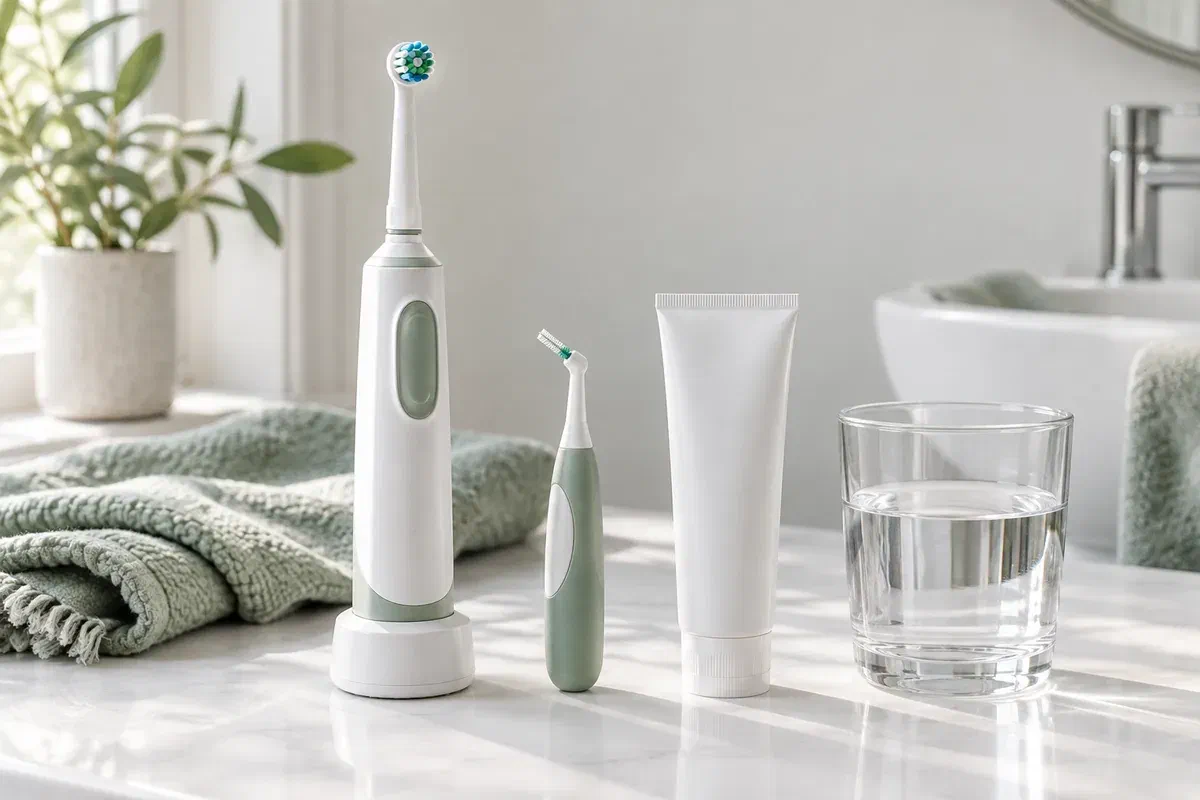
Illustrative easy-grip toothbrush and oral-care tools on a bright counter
Point out the tender spots

Where does it twinge?

Practical concerns are easiest to plan for when shared at booking. Bring health information and details of any dental work you have, especially if it was done at another office.

Sensitive roots and changing gums

Show us which teeth react to cold, sweetness or brushing, and mention bleeding, food trapping or rough edges. Include removable appliances. Sudden or lingering pain, a loose tooth or a broken filling needs assessment beyond cleaning.

Brushing around sore areas

People often brush less where it hurts, which can let deposits build up in exactly the wrong place. Tell us if sensitivity, grip, eyesight or memory has changed how you clean. The team can suggest a gentler, workable method.

Medical background and comfort

Bring your medication list and any advice from your physician. Mention swallowing difficulty, breathing concerns or trouble lying back. Raise access or communication needs ahead of time so options can be discussed before the day.

Please continue blood thinners and every other prescribed medicine as normal unless the clinician responsible has advised a change. Sharing the list with us is enough for planning purposes.

Why regular cleaning still helps

Cleaner gumlines, fewer surprises

Removing hardened deposits near the gumline is especially relevant when roots are exposed. Each visit also notes how the gums are responding, which surfaces your brush avoids, and how older fillings and crowns are wearing. Those observations guide the advice you take home.

Cleaning cannot promise that teeth or dental work will last for life. Nor can it rebuild lost gum, undo bone changes, or account for pain whose cause has not been found. Sensitivity that is new or severe may need an examination. Ask which findings are maintenance and which need separate care.

Patient information: CDA — dental examinations and oral care as you age

Care for every kind of surface

Exposed roots, enamel, implants and restorations each need suitable handling. If some of your work was placed elsewhere and is not on file, describe it. Ask how cleaning and home care are adapted for each area.

Gentle home tools that still work

A softer brush, a smaller head, a larger handle or a different interdental aid may help where roots are tender. Try the motion with the hygienist before buying anything. Choose a method you can use comfortably and well.

Help from family, if wanted

A relative or caregiver can join the discussion, help with reminders or assist with brushing. Talk with the team about their role. Their support should strengthen your own understanding and choices, with consent clarified where it applies.

Pacing the appointment

Slow where it needs to be

How long the visit takes, which instruments are used and how much cleaning is needed all depend on you. Ask early on what can be done today and whether a recheck may follow.

  1. Map the sensitive areas first

    We review health changes, medicines and recent dental work, then ask you to point out which teeth are tender. Tell us how you prefer instructions given. Agree a pause signal so you can stop the cleaning the moment something feels sharp.

  2. Check deposits and gum condition

    The team looks at where deposits sit and whether routine cleaning suits or gum treatment should be discussed. Mention bleeding or soreness that keeps returning. New or severe sensitivity may call for an examination.

  3. Clean with care around roots

    Near exposed roots, instruments and pressure are chosen with sensitivity in mind as well as the deposits present. Speak up whenever an area feels sharp, and ask for a break, an explanation or help with water. Comfort measures can be discussed where clinically appropriate.

  4. Practise a gentler routine

    Ask to be shown how to clean around exposed roots, bridges or implants without scrubbing. Confirm the purpose of your next appointment and any instructions for products used today. A helper can receive the guidance too, with your permission.

Caring for tender areas

Gentle, regular and realistic

Follow the aftercare guidance for your treatment. If an instruction is hard to manage, for instance because of eyesight, grip, swallowing or memory, call the team so it can be adjusted.

Brush softly, but don’t skip

Use the brush or interdental aid you practised with, and the gentle technique you were shown. A powered brush or wider handle helps some people but is not required. If a tool aggravates sensitivity, ask about alternatives.

Track sensitivity and dryness

Note whether tenderness is easing, changing or spreading, and mention persistent dryness or chewing changes. None of this should simply be blamed on age. The team can say whether an assessment is needed.

Keep appliance care separate

A partial denture, bridge or implant crown has its own care steps. Do not use harsh products everywhere. Clean removable appliances and natural teeth as different parts of the day.

Patient information: ADA — oral care considerations for older adults

The next step for your gums

Different needs, different appointments

Ask the purpose of each recommendation, and whether a visit is focused on cleaning, gum disease, sensitivity, repairs or a combination.

If routine deposit removal fits

Regular maintenance

This care removes the deposits found and supports daily home care, including around sensitive roots. Frequency depends on your mouth. Ask why a recall interval was chosen rather than assuming all seniors share one schedule.

If the gums and bone need more

Periodontal treatment and review

Where the gums have been affected by established disease, cleaning below the gumline and a later recheck may be advised. Find out what separates this from maintenance, the number of sittings involved, how tender roots will be looked after, and which measurements will show progress.

If another issue is involved

Further assessment or coordination

Pain, a cracked restoration, decay near the gumline, medical factors or complex support needs may require more planning. Another clinician may need to be involved. Cleaning fits within that plan rather than replacing it.

Rockwood seniors’ questions

Sensitivity and cleaning

Ask anything that would make the visit more comfortable or the care afterward easier. Practical questions help shape the right treatment.

(905) 876-4488
Why do my teeth feel more sensitive than they used to?
There can be several reasons, including gums that have receded and left root surfaces exposed. Worn fillings, cracks or other dental problems can also cause sensitivity, so it is worth having it checked rather than guessing. Mention it at your visit, including which teeth react and to what, so the cause can be assessed.
Can I ask the hygienist to go gently around my sensitive teeth?
Yes. Point out the tender areas before cleaning starts and agree a pause signal you are comfortable using. The team can discuss comfort options that are clinically appropriate for you. Speak up during the visit whenever something feels sharp, rather than waiting until the end.
Should I use a sensitivity toothpaste before my cleaning?
Ask the team whether a particular product suits you, and mention anything you already use at home. Advice depends on the cause of your sensitivity and the condition of your teeth, so a product that helps one person may not be the right choice for another.
Is it normal for teeth to feel tender after a cleaning?
Some people notice mild tenderness for a short while, especially around exposed roots. Ask what to expect for your own mouth before leaving, and how long it might last. Call if pain is significant, worsening or not settling as advised.
Could sensitivity mean something more serious?
Sometimes. New, severe or lingering pain, or sensitivity confined to a single tooth, may need an examination rather than just a cleaning. Describe when it happens, what sets it off and how long it lasts, as those details help the team decide what to check.
Will my age decide whether I need a deeper cleaning?
No. That depends on the condition of your gums and supporting tissues, not the date on your birth certificate. Ask the team to explain the findings and why a particular type of cleaning is suggested before you agree to an appointment.
Cleaning for seniors from Rockwood

Let’s go easy on the tender spots

Get in touch with our Bronte Street office about a seniors’ cleaning assessment. Tell us which areas are sensitive, what dental work you have, and any comfort or support needs, so the visit can be talked through before you come in.

Please mention access or support needs as you book. The type of treatment and the time it takes depend on individual assessment.

Visit Milton Dental Clinic
Unit 1, 342 Bronte St. S, Milton, ON L9T 5B7
Get directions Clinic hours
Monday–Thursday
11am–7pm
Friday–Sunday
By appointment only

Areas we serve

  • Milton
  • Oakville
  • Mississauga
  • Georgetown
  • Halton Hills
  • Acton
  • Campbellville
  • Brampton
  • Burlington
  • Puslinch
  • Rockwood
  • Erin
  • Caledon
  • Etobicoke
  • Old Milton
  • Bronte Meadows
  • Timberlea
  • Dorset Park
  • Dempsey
  • Clarke
  • Beaty
  • Coates
  • Harrison
  • Scott
  • Willmott
  • Ford
  • Bowes
  • Cobden
  • Walker
  • Mountain View
  • Milton Heights
  • Hawthorne Village
  • Valley View
  • Fallingbrook
  • Nassagaweya
  • Trafalgar
  • Esquesing
  • Nelson
  • Brookville
  • Moffat
  • Glen Williams
  • Norval
  • Limehouse
  • Stewarttown
  • Ashgrove
  • Hornby
  • Silver Creek
  • Speyside
  • Scotch Block
  • North Oakville
  • River Oaks
  • Glen Abbey
  • West Oak Trails
  • Palermo
  • Bronte Creek
  • College Park
  • Joshua Creek
  • Uptown Core
  • Preserve
  • Iroquois Ridge
  • Lisgar
  • Meadowvale
  • Meadowvale Village
  • Churchill Meadows
  • Erin Mills
  • Central Erin Mills
  • Streetsville
  • East Credit
  • Creditview
  • Heartland
  • Sheridan
  • Mount Pleasant
  • Credit Valley
  • Huttonville
  • Churchville
  • Springbrook
  • Northwest Brampton
  • Bram West
  • Fletcher's Meadow
  • Fletcher's Creek South
  • Alton Village
  • Orchard
  • Millcroft
  • Headon Forest
  • Tansley
  • Brant Hills
  • Tyandaga
  • Kilbride
  • Lowville
  • Aberfoyle
  • Morriston
  • Arkell
  • Hillsburgh
  • Freelton
  • Carlisle
  • Waterdown
  • Flamborough
  • Mountsberg

How can we help?

Milton Dental Clinic

Have a question about your smile? Choose the option that works best for you.

For urgent dental concerns, please call.
Messages are reviewed during clinic hours.