

Illustrative patient describing tooth sensitivity during a dental conversation
General & Family Dentistry

Treatment for Sensitive Teeth in Brampton

Someone at the dinner table flinches at ice cream, or a teenager starts brushing only one side. For Brampton households, our team assesses what is behind the sensitivity and explains treatment once the cause is clear.

Noticed at home

The flinch you saw across the table

Sensitivity is often spotted by someone else first. A partner notices you chewing on one side; a parent sees a child hold a cold treat away from certain teeth; a teen quietly stops brushing near the gum. These small changes in behaviour are worth paying attention to, because the person feeling it may not mention it.

What causes the reaction varies from person to person, even within one home. Exposed dentin is a common reason, but decay, a chipped or cracked tooth, a problem with a filling, or a gum concern can all feel similar. Our Bronte Street team examines each person individually, so the household does not end up sharing one tube of toothpaste as a cure-all.

Nobody needs to demonstrate the pain at the appointment. Help the person describe when it happens during normal eating, drinking, and brushing, and whether it is changing. The dentist can then explain the likely cause, recommend care for that person’s findings, and say what improvement or follow-up should look like.

Book a sensitivity check for your family
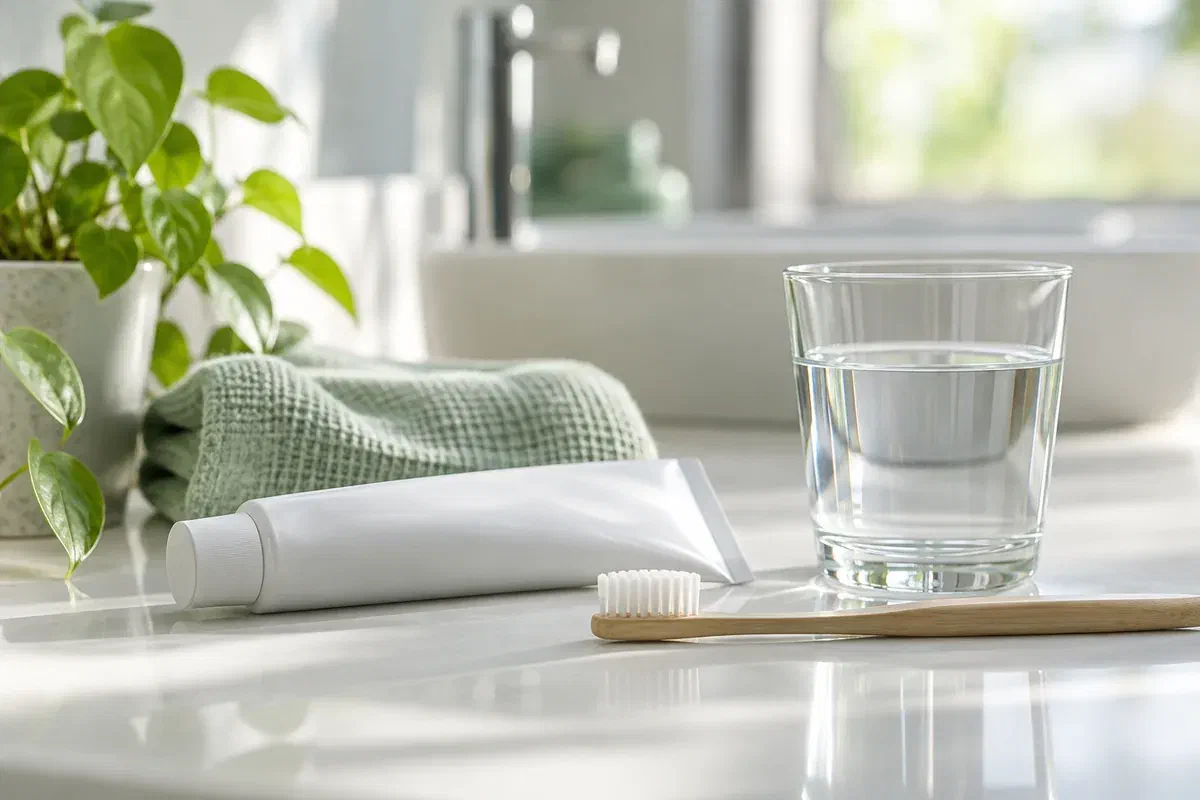
Illustrative soft toothbrush, toothpaste, and drinking water for gentle daily care
Signs to watch for

Patterns that help the dentist sort things out

For yourself or someone you care for, note the place, the trigger, and the duration. Report what you observe and let the examination decide what it means.

Wincing at cold, air, or the toothbrush

A quick reaction that repeats with the same trigger is useful to describe. Mention whether it affects one spot or several teeth. Even short reactions deserve a look when they are new, increasing, or leading someone to avoid brushing an area.

Lingering pain or pain out of the blue

If discomfort carries on after the trigger, disturbs sleep, or comes on by itself, tell us when you call. That pattern may need a sooner appointment and different investigation, and it is not something to cover with a stronger toothpaste.

Sensitivity after a recent event

Dental treatment, whitening, a new product, a knock during sports or play, or a bite that feels different are all worth mentioning. The timing gives context but does not confirm the cause, so the tooth still needs examining.

Swelling, a broken tooth, real pain on biting, or anything steadily worsening calls for a prompt phone call. When a family member already has a checkup coming up, mention the new issue; we may suggest moving it earlier or booking a separate visit.

Why each person is assessed

The same symptom can have different causes.

In many cases, sensitivity happens because dentin, the layer under enamel, has lost part of its protective covering, allowing cold and touch to register sharply. Yet a different problem can create the same complaint in another family member. That is why the examination comes first, followed by care that may be a home product, an in-office application, or treatment for a specific issue.

Relief may take time and cannot be guaranteed to be quick or permanent. Ask what the recommended approach should change, how it should be used, and when it will be reviewed. Make sure you also know what to do if the discomfort persists or changes.

Patient information: ADA MouthHealthy — sensitive teeth and possible causes

Advice that fits the individual

What suits an adult with a receding gum line may not suit a teenager with a chipped tooth. Each recommendation should be tied to that person’s examination, and you can ask the dentist to explain the link clearly.

Less wasted money on products

List the toothpastes and rinses that have been tried at home and how each worked. The team can use that history to avoid repeating what has not helped and to explain why a different product might act differently.

Brushing everyone can stick with

A sore area often gets skipped, which makes care harder. Point out the uncomfortable spots, and the team can suggest a different brush or method, including for younger family members, while the cause and response are reviewed.

At the appointment

What we do, in order

Tests depend on what the dentist sees. If the person being seen is worried about discomfort, let us know, and the dentist will talk them through every stage first.

  1. Hear the story

    Share when the sensitivity began, what sets it off, roughly where it is, and how long it lasts, plus any night pain or recent treatment. A parent can help a child describe it. Not knowing the exact tooth is completely fine.

  2. Look at teeth and gums

    The dentist examines the relevant surfaces, restorations, and gum tissue. Suitable tests or X-rays may be discussed to clarify the source. Ask what each one is for, and anyone can ask to pause at any time.

  3. Explain in plain terms

    The dentist goes over the findings, including anything that is still unclear. A gentle, conservative plan comes with instructions and a follow-up date. A tooth that needs repair comes with a conversation about the choices, their limits, and when to go ahead.

  4. Agree on home care and a check-in

    Before you leave, make sure everyone knows the home routine, what was done in the chair, and the date to check in. Find out which warning signs mean calling sooner. Trying a product should be a short experiment with a goal, not an open-ended habit while nobody knows the cause.

Back home

Small habits that protect a tender tooth

Follow the advice for the specific diagnosis and the treatment actually given. Instructions after a filling are not the same as those for a desensitizing toothpaste.

Don’t keep poking at it

Repeatedly testing the tooth with cold or a fingernail keeps irritating it. A soft brush, a light hand over the sore area, and the method you were shown work better. Let us know if anyone is still struggling to clean that spot.

Keep products separate and as directed

It can take a stretch of daily use before anyone can say whether a desensitizing toothpaste is helping. Use it as directed, and avoid layering products or sharing one person’s treatment with others. Check with us about whitening if it seems linked.

Watch for real changes

A quick note of the trigger, how long it lasts, and whether meals and brushing are easier can help. No deliberate testing is needed. Call if pain worsens, starts without a trigger, or does not improve as expected.

Treatment paths

Care that depends on what the dentist finds

For every suggestion, ask what it is supposed to fix. Calming an exposed surface, mending a chipped tooth, and treating deeper inside are separate conversations.

When conservative care is suitable

Desensitizing treatment

For a surface that suits it, the dentist might recommend something to use at home or apply a treatment at the clinic. Find out how often to use it, what it will not fix, and the date to reassess. It comes after the examination, never as a way to brush off pain that is changing.

When a tooth or restoration needs care

Repairing a chipped tooth or filling

A chip, a cavity, or a filling that has worn or cracked may be best repaired or covered. Which option suits depends on the problem and how much of the tooth is still strong. Ask the dentist to explain the recommendation and any reasonable alternatives.

When more care is needed

Further gum or tooth treatment

Occasionally the findings point to the gums or to the nerve inside the tooth, and that becomes its own conversation, sometimes with a referral. A sensitive tooth does not automatically need a root canal; whether one is ever appropriate rests on the diagnosis and the choices available.

Family questions from Brampton

What parents and partners often ask

Ask about triggers, products, recent treatment, and how progress will be reviewed. Sensitivity can describe several different dental problems.

(905) 876-4488
Can children have sensitive teeth too?
Yes, children can experience tooth sensitivity, and the cause can vary. If a child avoids cold foods or brushing in one area, book an assessment and describe what you have noticed. The dentist will examine the teeth before suggesting any care.
Can the whole family use the same sensitivity toothpaste?
A product that suits one person’s findings may not suit another’s, and some products are not intended for young children. Ask the dentist what is appropriate for each person, especially before using a sensitivity product for a child.
My teenager won’t say much. How can I help them describe it?
Gently ask what brings it on, which part of the mouth it is in, and whether it fades quickly, and note any changes you have seen in eating or brushing. Bring those observations to the visit. The teen can also talk with the dentist directly.
Could a sports knock explain a sensitive tooth weeks later?
An injury can be relevant, so mention any knock to the mouth even if it seemed minor. It does not confirm the cause by itself. The dentist will examine the tooth and may suggest tests to understand what is happening.
Is brushing around the sore tooth an acceptable workaround?
Skipping an area is not a good long-term solution. Ask for an assessment and advice on a comfortable cleaning method for the findings. Point out exactly where brushing hurts so technique and treatment can be discussed.
Can we book family members close together when travelling from Brampton?
Ask the front desk when you call. The team can look at available times and what each person needs. If anyone develops swelling or severe pain before the visit, call first rather than waiting for the scheduled appointment.
Brampton family sensitivity care

Let’s find out who is feeling what, and why.

Get in touch with our Bronte Street practice to describe the sensitivity and arrange an assessment. Tell us whether pain lingers, starts without a trigger, or followed recent treatment, so we can help plan the next step for each person.

Each person’s care follows their own findings. Swelling, or pain that is strong and getting worse, should be reported quickly rather than left to a toothpaste.

Visit Milton Dental Clinic
Unit 1, 342 Bronte St. S, Milton, ON L9T 5B7
Get directions Clinic hours
Monday–Thursday
11am–7pm
Friday–Sunday
By appointment only

Areas we serve

  • Milton
  • Oakville
  • Mississauga
  • Georgetown
  • Halton Hills
  • Acton
  • Campbellville
  • Brampton
  • Burlington
  • Puslinch
  • Rockwood
  • Erin
  • Caledon
  • Etobicoke
  • Old Milton
  • Bronte Meadows
  • Timberlea
  • Dorset Park
  • Dempsey
  • Clarke
  • Beaty
  • Coates
  • Harrison
  • Scott
  • Willmott
  • Ford
  • Bowes
  • Cobden
  • Walker
  • Mountain View
  • Milton Heights
  • Hawthorne Village
  • Valley View
  • Fallingbrook
  • Nassagaweya
  • Trafalgar
  • Esquesing
  • Nelson
  • Brookville
  • Moffat
  • Glen Williams
  • Norval
  • Limehouse
  • Stewarttown
  • Ashgrove
  • Hornby
  • Silver Creek
  • Speyside
  • Scotch Block
  • North Oakville
  • River Oaks
  • Glen Abbey
  • West Oak Trails
  • Palermo
  • Bronte Creek
  • College Park
  • Joshua Creek
  • Uptown Core
  • Preserve
  • Iroquois Ridge
  • Lisgar
  • Meadowvale
  • Meadowvale Village
  • Churchill Meadows
  • Erin Mills
  • Central Erin Mills
  • Streetsville
  • East Credit
  • Creditview
  • Heartland
  • Sheridan
  • Mount Pleasant
  • Credit Valley
  • Huttonville
  • Churchville
  • Springbrook
  • Northwest Brampton
  • Bram West
  • Fletcher's Meadow
  • Fletcher's Creek South
  • Alton Village
  • Orchard
  • Millcroft
  • Headon Forest
  • Tansley
  • Brant Hills
  • Tyandaga
  • Kilbride
  • Lowville
  • Aberfoyle
  • Morriston
  • Arkell
  • Hillsburgh
  • Freelton
  • Carlisle
  • Waterdown
  • Flamborough
  • Mountsberg

How can we help?

Milton Dental Clinic

Have a question about your smile? Choose the option that works best for you.

For urgent dental concerns, please call.
Messages are reviewed during clinic hours.