

Illustrative patient describing tooth sensitivity during a dental conversation
General & Family Dentistry

Treatment for Sensitive Teeth in Puslinch

Is it a whole row of teeth that complains, or one that stands out from the rest? From Puslinch, that single detail can help you decide when to book, and it helps our dentist narrow down the cause before recommending treatment.

One tooth or many?

A single standout tooth tells a different story.

Sensitivity that spreads across several teeth often feels like a general touchiness with cold water or the toothbrush. A single tooth that reacts much more sharply than its neighbours can feel quite different. Neither pattern gives an answer on its own, but noticing which one you have is one of the most helpful things you can bring to an appointment.

Widespread exposed dentin is a frequent reason for broad sensitivity. A lone sensitive tooth raises other possibilities too, such as decay, a crack, or a problem with a filling, alongside gum changes and wear. Our Bronte Street dentist considers the pattern, then examines the teeth and gums, rather than handing over a toothpaste and hoping it fits.

There is no reason to keep testing which tooth is worst. Describe what you notice when you eat, drink, and brush, and whether it is easing or getting stronger. With that, the dentist can explain the likely cause, recommend care for those findings, and tell you how improvement will be judged.

Talk to us about a sensitive tooth
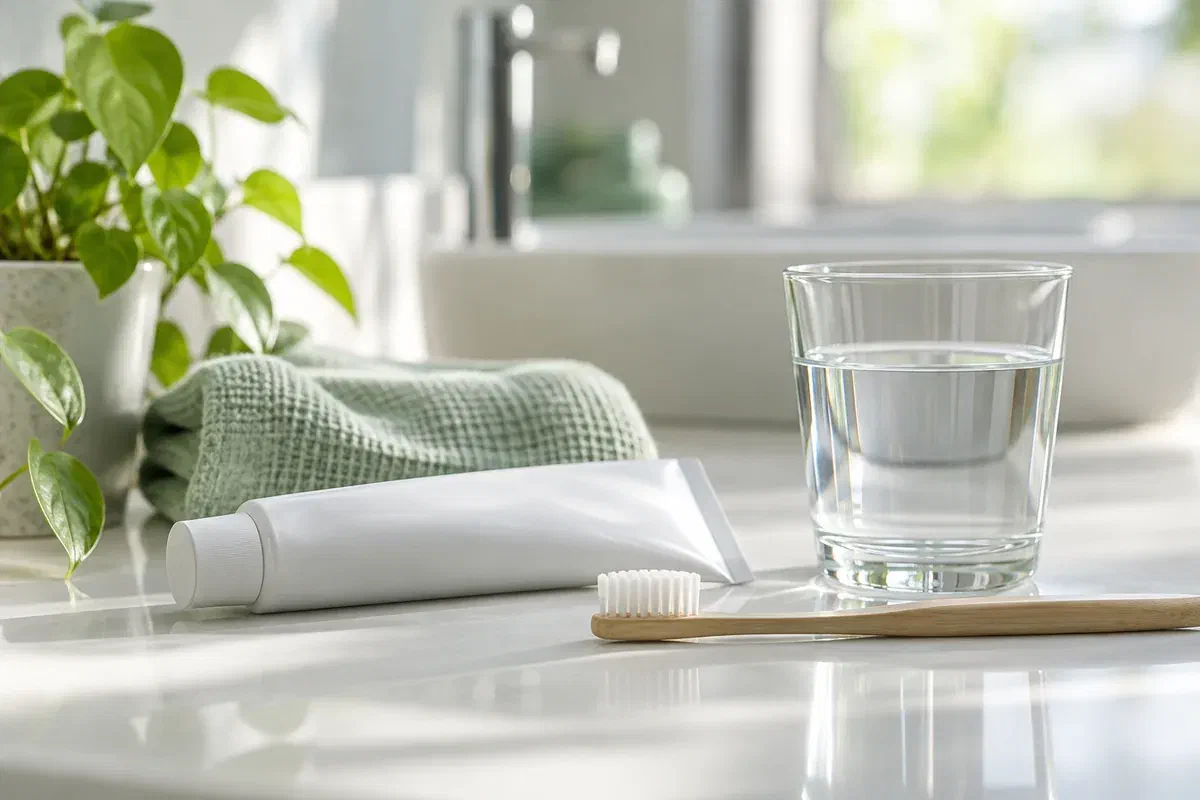
Illustrative soft toothbrush, toothpaste, and drinking water for gentle daily care
Where, what, and how long

Clues that point the examination

Note how widespread it is, what starts it, and how long it continues. Then share those facts plainly, without worrying about the medical name.

Several teeth, a quick reaction

Cold, air, or brushing across a group of teeth that settles quickly is worth describing. Mention whether it is one side or both. Even broad, brief sensitivity merits a check when it is new, growing, or making brushing uncomfortable.

One tooth that lingers or aches alone

A single tooth whose discomfort persists after the trigger, wakes you, or starts without any cause may need a quicker appointment and targeted testing. A desensitizing toothpaste is not the right next step for that pattern.

A tooth that changed after an event

Report recent dental work, whitening, a new product, an injury, or a bite that feels off on one side. Timing can explain a lot, but it is still only a clue, and the tooth must be examined directly.

Call promptly about swelling, a broken tooth, pain when biting on one spot, or symptoms that are getting worse. If you have a checkup already booked, tell us about the new concern so we can decide whether to see you earlier.

Why a diagnosis helps

Narrow the cause, sharpen the plan.

Sensitivity commonly arises when dentin, which lies beneath enamel and gum, loses some of its covering and lets temperature or touch through. Other dental problems can feel similar, especially when only one tooth is involved. An examination tells these apart, and care may then be a home product, a professional treatment on the surface, or treatment for that particular tooth.

Improvement may be gradual and is not guaranteed to be permanent. Ask what the recommendation should achieve, how it should be used, and when it will be reviewed. You should also know what to do if discomfort stays or changes.

Patient information: ADA MouthHealthy — sensitive teeth and possible causes

Treatment where it is needed

Knowing whether the issue is one tooth or a wider area lets care be focused appropriately. Ask the dentist to explain what was found and why a recommendation targets a specific tooth or a broader surface.

Products chosen with a reason

Share which toothpastes or rinses you have tried and what happened. That history helps the dentist decide whether another product is worth trying and how it differs from what you used before.

Brushing that reaches every tooth

A sore tooth often gets skipped, and that makes daily care harder. Mention where brushing hurts so your method can be reviewed. The goal is a comfortable routine that still cleans everything while progress is monitored.

Your Puslinch visit

How the source gets narrowed down

The dentist chooses tests according to the findings. If you are worried about a test causing discomfort, mention it, and the step will be explained first.

  1. Describe how widespread it is

    Explain whether one tooth or several are involved, what sets it off, when it began, and how long it lasts. Mention night pain and any recent treatment. An approximate area is enough.

  2. Examine and compare teeth

    The dentist looks at the suspect tooth and its neighbours, their fillings, and the gums. Tests or X-rays may be suggested to compare responses and find the source. Ask what each one shows, and pause whenever needed.

  3. Go over findings and choices

    The dentist explains what is established and what is still uncertain. When a conservative approach fits, you will learn how to use it and how it will be followed. When a tooth needs work, ask about choices, limitations, and timing.

  4. Plan home care and follow-up

    Confirm your routine, any treatment provided, and when to report back. Ask which changes would warrant an earlier call. Any product trial should have a goal and a review, not continue while the cause stays unclear.

Caring for it at home

Treat every tooth gently, including the sore one.

Use the advice that matches your diagnosis and the product or treatment involved. Aftercare following a repair is different from guidance for a desensitizing toothpaste.

Leave the tooth alone between checks

Repeatedly touching the tooth with cold or a fingertip only irritates it. Brush softly with the method recommended, easing up over the sensitive spot. Let us know if it remains difficult to clean.

Follow product directions closely

Desensitizing toothpaste may need regular use before its effect is clear. Use it as directed rather than mixing treatments or applying more. Ask before continuing whitening if it seems to be linked.

Notice whether the pattern shifts

Keep a quick note, if useful, of whether it is still one tooth or more, how long it lasts, and how eating feels. No deliberate testing is needed. Call if pain worsens, starts by itself, or does not improve as expected.

What comes next

Options shaped by what was found

Ask what each choice is meant to do. Treating broad surface sensitivity, repairing a single tooth, and caring for the inside of a tooth are different decisions.

When the findings support a conservative plan

Desensitizing care for broad sensitivity

For suitable surfaces, the dentist may recommend a home product or an application at the clinic. Discuss how to use it, what it will not address, and when to review it. It should follow a diagnosis, not cover a standout tooth that is changing.

When one tooth or filling needs care

Repair for a single affected tooth

Decay, a crack, or a faulty filling on one tooth may need restoring or protecting. The best approach depends on the problem and the amount of healthy tooth left. Ask why it is recommended and what alternatives exist.

When the diagnosis calls for further care

Gum or internal tooth treatment

Some findings lead to a conversation about gum care or treatment inside the tooth, and referral may be suggested. A sensitive tooth is not a reason for a root canal by itself; that decision rests on the diagnosis and options.

Puslinch questions

Single-tooth and all-over sensitivity

Ask about the pattern, triggers, products, and how progress will be measured. Sensitivity can describe more than one dental problem.

(905) 876-4488
Why does only one tooth react while the others feel fine?
A single sensitive tooth can have several explanations, including exposed root surface, decay, a crack, or a filling problem. The dentist will examine that tooth and compare it with its neighbours before suggesting what, if anything, it needs.
Is sensitivity across all my teeth less concerning?
Not necessarily. Broad sensitivity is often related to exposed dentin, but it is still worth having assessed, especially if it is new or increasing. Any tooth that stands out from the rest should be mentioned.
Should I keep using a sensitivity toothpaste if it helps all but one tooth?
Mention the tooth that is not improving. A product that helps general sensitivity may not address a separate problem in one tooth, so that tooth should be examined rather than left alone.
Can a toothpaste that helps still leave a cavity undetected?
Yes. Relief does not rule out decay or another problem. Have new or unexplained sensitivity examined, and tell the dentist which product you used and how it helped.
Why does the dentist test teeth next to the sensitive one?
Comparing responses between teeth can help clarify where a sensation is coming from. Ask what each test is for, and let the clinician know if you need a pause.
If one tooth keeps aching, will it need a root canal?
Persistent pain in one tooth needs assessment, but it does not automatically mean root canal treatment. The dentist considers the history, examination, and tests before explaining options and why one suits that tooth.
Sensitivity treatment for Puslinch

Show us which tooth, or tell us it is all of them.

Ring our Bronte Street practice to describe the sensitivity and set up an assessment. Mention whether one tooth stands out, whether the pain lingers or arrives without a trigger, and any recent treatment, so we can plan your visit.

Care depends on the cause. A tooth that swells, aches steadily, or keeps getting worse should be reported promptly rather than treated with products alone.

Visit Milton Dental Clinic
Unit 1, 342 Bronte St. S, Milton, ON L9T 5B7
Get directions Clinic hours
Monday–Thursday
11am–7pm
Friday–Sunday
By appointment only

Areas we serve

  • Milton
  • Oakville
  • Mississauga
  • Georgetown
  • Halton Hills
  • Acton
  • Campbellville
  • Brampton
  • Burlington
  • Puslinch
  • Rockwood
  • Erin
  • Caledon
  • Etobicoke
  • Old Milton
  • Bronte Meadows
  • Timberlea
  • Dorset Park
  • Dempsey
  • Clarke
  • Beaty
  • Coates
  • Harrison
  • Scott
  • Willmott
  • Ford
  • Bowes
  • Cobden
  • Walker
  • Mountain View
  • Milton Heights
  • Hawthorne Village
  • Valley View
  • Fallingbrook
  • Nassagaweya
  • Trafalgar
  • Esquesing
  • Nelson
  • Brookville
  • Moffat
  • Glen Williams
  • Norval
  • Limehouse
  • Stewarttown
  • Ashgrove
  • Hornby
  • Silver Creek
  • Speyside
  • Scotch Block
  • North Oakville
  • River Oaks
  • Glen Abbey
  • West Oak Trails
  • Palermo
  • Bronte Creek
  • College Park
  • Joshua Creek
  • Uptown Core
  • Preserve
  • Iroquois Ridge
  • Lisgar
  • Meadowvale
  • Meadowvale Village
  • Churchill Meadows
  • Erin Mills
  • Central Erin Mills
  • Streetsville
  • East Credit
  • Creditview
  • Heartland
  • Sheridan
  • Mount Pleasant
  • Credit Valley
  • Huttonville
  • Churchville
  • Springbrook
  • Northwest Brampton
  • Bram West
  • Fletcher's Meadow
  • Fletcher's Creek South
  • Alton Village
  • Orchard
  • Millcroft
  • Headon Forest
  • Tansley
  • Brant Hills
  • Tyandaga
  • Kilbride
  • Lowville
  • Aberfoyle
  • Morriston
  • Arkell
  • Hillsburgh
  • Freelton
  • Carlisle
  • Waterdown
  • Flamborough
  • Mountsberg

How can we help?

Milton Dental Clinic

Have a question about your smile? Choose the option that works best for you.

For urgent dental concerns, please call.
Messages are reviewed during clinic hours.