

Illustrative patient describing tooth sensitivity during a dental conversation
General & Family Dentistry

Treatment for Sensitive Teeth in Rockwood

A square of chocolate or a sweetened coffee can bring on a sudden zing that cold never seemed to. Travelling from Rockwood, you can describe that sweet-triggered sensitivity and have the tooth examined, so any treatment follows a clear cause.

A sweet trigger

Sugar shouldn’t make a tooth jump.

Cold gets most of the attention, but many people first notice sensitivity with something sweet: a candy, a spoonful of jam, a sugary drink. The zing can be sharp and short, or it can leave a dull ache. Either way, it is a pattern worth mentioning, because sweet triggers can accompany several different dental problems.

Exposed dentin can react to sugar as well as temperature. Decay can produce a similar response, and so can a leaking filling, a small crack, or a gum change that has uncovered part of a root. Our team on Bronte Street takes your description seriously, examines the teeth and gums, and identifies the source before anyone suggests a particular toothpaste or treatment.

You do not need to eat a candy at the appointment to show us. Tell us what kinds of food set it off, how long the feeling stays, and whether it is getting more frequent. The dentist can then explain what was found, recommend care that addresses it, and tell you how progress will be checked.

Ask about sweet-triggered sensitivity
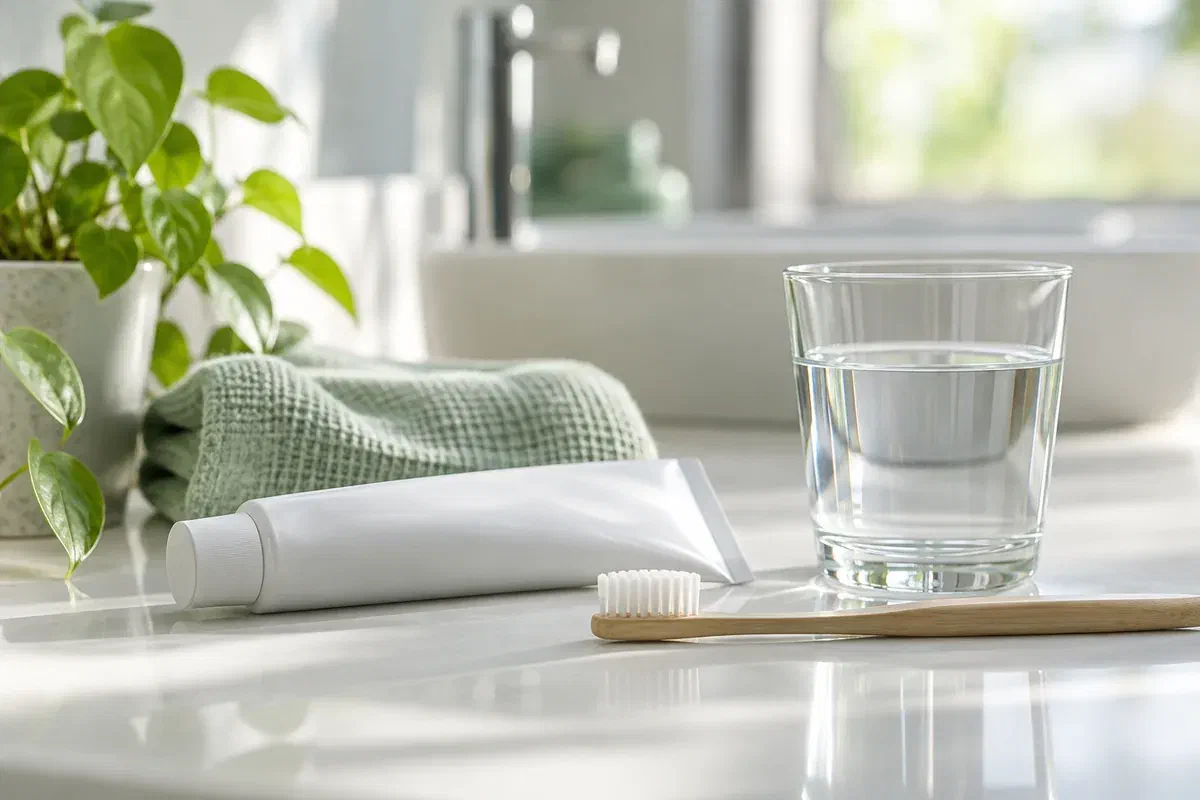
Illustrative soft toothbrush, toothpaste, and drinking water for gentle daily care
The details that help

Sweet, cold, or touch: tell us all of it.

List every trigger you notice, where it seems to be, and how long the reaction lasts. Your account is the starting point; the diagnosis comes from the examination.

Short zings with sugar, cold, or brushing

Note which foods or drinks set it off and whether one spot or a wider area responds. A quick reaction to sweets is still worth checking, particularly if it is new, happening more often, or changing what you eat.

A dull ache that stays or arrives alone

Discomfort that continues after the sweet or cold is gone, disrupts your sleep, or appears unprompted may need a sooner visit and different testing. Changing toothpaste is not the right response to a pattern like that.

A reaction that began after a change

Mention recent treatment, whitening, a new oral-care product, an injury, or a bite that feels different. The timing is helpful context, but the affected tooth still needs to be examined to find the cause.

Phone promptly about swelling, a broken tooth or filling, pain when biting, or symptoms that are clearly getting worse. If you are already scheduled for a checkup, mention the new problem so we can decide whether to bring the appointment forward.

Why the examination comes first

A trigger is not a diagnosis.

When dentin loses part of its protective covering, it can respond to sweet, cold, or touch. Decay and damaged restorations can give a similar signal, so a sweet trigger alone cannot say which problem you have. Once the dentist has examined the area, care might involve a home product, a professional application, or treatment of a specific tooth.

No approach guarantees immediate or permanent relief. Ask what the recommended step should change, how to carry it out, and when your response will be reviewed. A good plan also spells out what to do if the feeling persists or shifts.

Patient information: ADA MouthHealthy — sensitive teeth and possible causes

Early attention to possible decay

If sweet sensitivity is linked to decay, the examination can find it and the dentist can discuss treatment directly. Ask how each recommendation connects to the finding so you understand why it is suggested.

Smarter product choices

Bring a list of the toothpastes and rinses you have tried and what difference they made. The team can then explain whether something new is worth trying, rather than you buying more of the same.

Daily habits you can keep

Sensitivity can lead to skipping certain teeth or avoiding foods. Tell us where routines have changed so cleaning can be made more comfortable. The focus is a sustainable routine while the cause and your response are followed.

Your Rockwood appointment

Trigger list, examination, explanation, plan

Tests are selected to fit what the dentist sees. If you are worried about something causing discomfort, mention it, and each step can be explained before it begins.

  1. List your triggers

    Explain which foods and drinks bring it on, when it began, roughly where it is, and how long each episode lasts. Note any night pain and recent treatment. Pinpointing one tooth is not required.

  2. Look for the source

    The dentist examines the surfaces, existing fillings, and gums around the area. X-rays or targeted tests may be recommended to check for decay or damage. Ask what each test is meant to reveal, and stop whenever you need to.

  3. Explain the findings

    You will hear what has been confirmed and what is still unclear. If a conservative approach is suitable, the dentist explains how to use it and when it will be rechecked. If a tooth needs treatment, ask about the options, trade-offs, and timing.

  4. Agree on a routine and a review

    Confirm home care, any treatment completed, and when to report progress. Ask which signs should prompt an earlier call. Trying a product should have a goal and an end point, not continue indefinitely without explanation.

Looking after it

Gentle cleaning, thoughtful snacking, and patience

Follow the advice for your diagnosis and the treatment or product provided. Aftercare for a new filling differs from aftercare for a desensitizing toothpaste.

No sugar or ice tests

Biting into sweets or sipping something cold to see if the tooth has improved keeps aggravating it. Brush with a soft brush and the method shown, without extra pressure on the tender area. Let us know if you still cannot clean it comfortably.

Follow instructions for any product

A desensitizing paste may need regular use for a period before its effect can be judged. Use it as directed instead of combining several treatments or using more. Ask before continuing whitening if it seems to be involved.

Track the triggers

A quick note of what sets it off, how long it lasts, and whether eating has become easier can help. You do not need to test it deliberately. Call if pain increases, starts without a trigger, or is not easing as expected.

Treatment possibilities

From surface care to repairing decay

Ask what each option is designed to accomplish. Treating exposed dentin, repairing decay or damage, and treating the inside of a tooth are different decisions.

When conservative care fits the findings

Desensitizing care

For a suitable sensitive surface, the dentist may recommend a home product or apply a treatment in the clinic. Discuss how to use it, its limitations, and the review date. It belongs after an assessment, never instead of one.

When a tooth or filling needs repair

Treating decay or a damaged tooth

Decay, a crack, or a leaking restoration may need to be repaired or protected. What is suitable depends on the condition and how much tooth structure is left. Ask why the treatment is recommended and which alternatives are reasonable.

When more treatment is indicated

Further care for the tooth or gums

Some findings lead to a separate conversation about care inside the tooth or gum treatment, and a referral might be suggested. Sweet sensitivity does not by itself mean root canal treatment; that depends entirely on the diagnosis.

Rockwood questions

What sweet sensitivity might mean

Ask about triggers, foods, products, and how improvement will be judged. Sensitivity can have more than one cause.

(905) 876-4488
Does a twinge from sweets always mean I have a cavity?
Not always. Sweet sensitivity can be associated with decay, but exposed dentin or a restoration problem can also cause it. The dentist will examine the tooth and may suggest X-rays before explaining what is behind it.
Should I cut out sugar until my appointment?
Reducing sweets may make you more comfortable, but it does not identify the cause. Keep the assessment, maintain your usual cleaning routine, and describe exactly which foods set off the sensitivity.
Why does the same tooth react to sweets but not to cold?
Different triggers can affect teeth differently, and the pattern is useful information for the dentist. Mention every trigger you notice, including those that do not cause a reaction.
Can a sensitivity toothpaste mask a cavity?
It can ease the sensation without treating decay, so feeling better is not proof the tooth is healthy. Have new or unexplained sensitivity assessed and say which toothpaste you have been using.
Could an older filling explain sensitivity to sweets?
A worn or leaking restoration is one possible explanation, along with decay around it or exposed dentin nearby. The dentist will examine the filling and surrounding tooth before recommending whether anything needs to be done.
If decay is found, will the tooth need a root canal?
Many cases of decay are treated with a repair, and the need for any further treatment depends on the examination and tests. Ask what the dentist found and why a particular option suits that tooth.
Sensitive teeth care for Rockwood

Tell us what sets it off. We will look for why.

Contact our Bronte Street practice, describe the foods or drinks that trigger your sensitivity, and we will arrange an assessment. Let us know whether pain lingers, comes on without a trigger, or followed recent treatment.

Treatment is chosen once the cause is known. Swelling or strong, worsening pain should be reported promptly rather than managed with products alone.

Visit Milton Dental Clinic
Unit 1, 342 Bronte St. S, Milton, ON L9T 5B7
Get directions Clinic hours
Monday–Thursday
11am–7pm
Friday–Sunday
By appointment only

Areas we serve

  • Milton
  • Oakville
  • Mississauga
  • Georgetown
  • Halton Hills
  • Acton
  • Campbellville
  • Brampton
  • Burlington
  • Puslinch
  • Rockwood
  • Erin
  • Caledon
  • Etobicoke
  • Old Milton
  • Bronte Meadows
  • Timberlea
  • Dorset Park
  • Dempsey
  • Clarke
  • Beaty
  • Coates
  • Harrison
  • Scott
  • Willmott
  • Ford
  • Bowes
  • Cobden
  • Walker
  • Mountain View
  • Milton Heights
  • Hawthorne Village
  • Valley View
  • Fallingbrook
  • Nassagaweya
  • Trafalgar
  • Esquesing
  • Nelson
  • Brookville
  • Moffat
  • Glen Williams
  • Norval
  • Limehouse
  • Stewarttown
  • Ashgrove
  • Hornby
  • Silver Creek
  • Speyside
  • Scotch Block
  • North Oakville
  • River Oaks
  • Glen Abbey
  • West Oak Trails
  • Palermo
  • Bronte Creek
  • College Park
  • Joshua Creek
  • Uptown Core
  • Preserve
  • Iroquois Ridge
  • Lisgar
  • Meadowvale
  • Meadowvale Village
  • Churchill Meadows
  • Erin Mills
  • Central Erin Mills
  • Streetsville
  • East Credit
  • Creditview
  • Heartland
  • Sheridan
  • Mount Pleasant
  • Credit Valley
  • Huttonville
  • Churchville
  • Springbrook
  • Northwest Brampton
  • Bram West
  • Fletcher's Meadow
  • Fletcher's Creek South
  • Alton Village
  • Orchard
  • Millcroft
  • Headon Forest
  • Tansley
  • Brant Hills
  • Tyandaga
  • Kilbride
  • Lowville
  • Aberfoyle
  • Morriston
  • Arkell
  • Hillsburgh
  • Freelton
  • Carlisle
  • Waterdown
  • Flamborough
  • Mountsberg

How can we help?

Milton Dental Clinic

Have a question about your smile? Choose the option that works best for you.

For urgent dental concerns, please call.
Messages are reviewed during clinic hours.