Quick pain with cold
Thinner enamel can let cold reach the more sensitive layer below. Note which teeth respond, whether warm drinks also bother them, and how long the feeling lasts once the drink is gone.

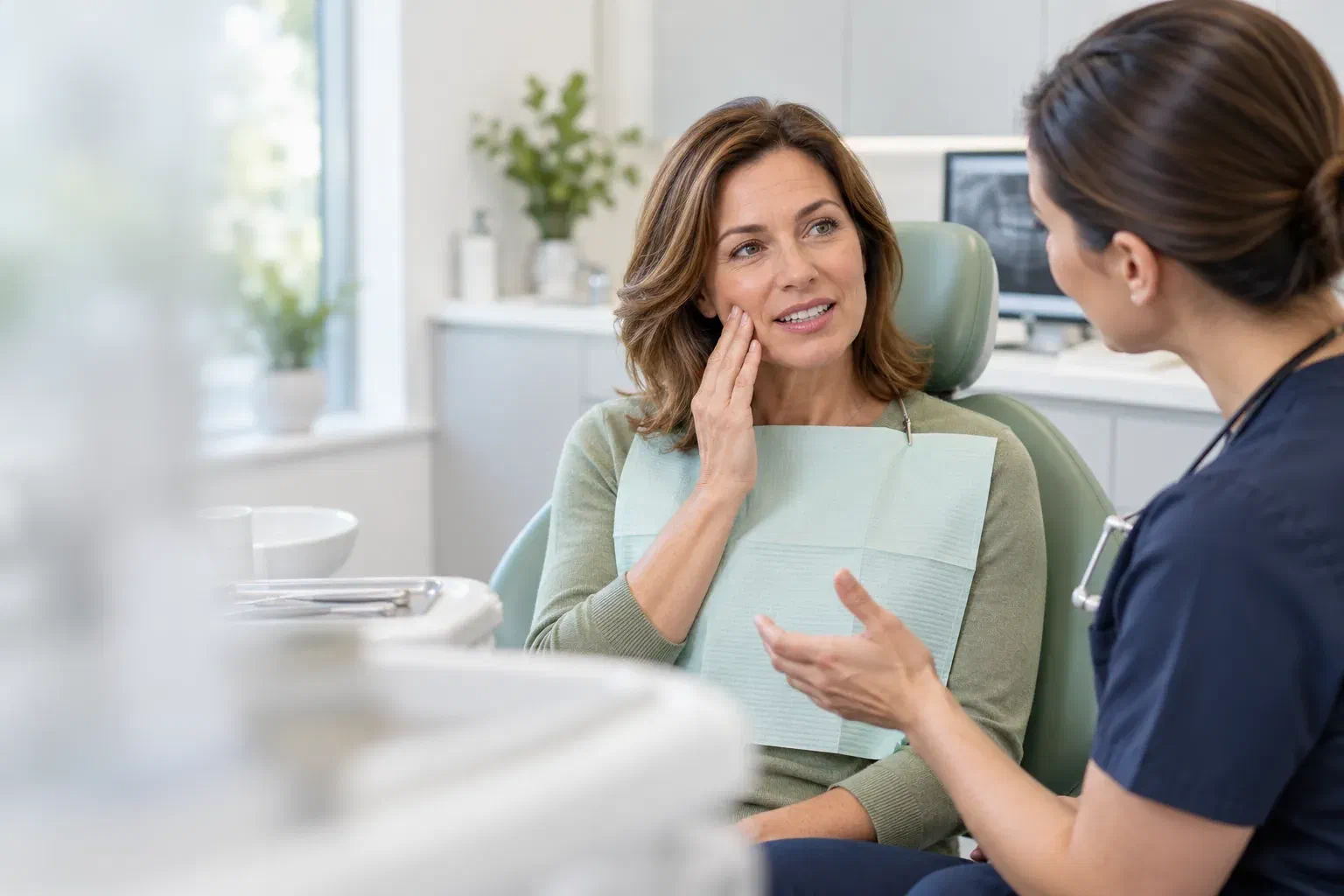
Erosion moves slowly, which makes it well suited to a planned, well-organized course of care. Etobicoke patients can have acid wear assessed, the cause discussed, and any repairs grouped into sensible visits.
Acid wear rarely needs an emergency visit, but it does need a plan. Erosion happens when acids soften enamel again and again until fine layers dissolve. It is chemical rather than bacterial, so it is not the same as a cavity, though both can be found together. Sensitivity, cupped surfaces and thinning edges are the usual signs.
Because the trip from Etobicoke is a longer one, we try to learn as much as possible at the first appointment. That means asking about acidic drinks, wine, reflux, vomiting, dry mouth and medications, and checking how your bite distributes force. A clear view of the causes keeps later visits focused.
Come prepared with the everyday details: what you drink and how often, when sensitivity appears, and any change in chewing. Records from a previous dentist are helpful too.
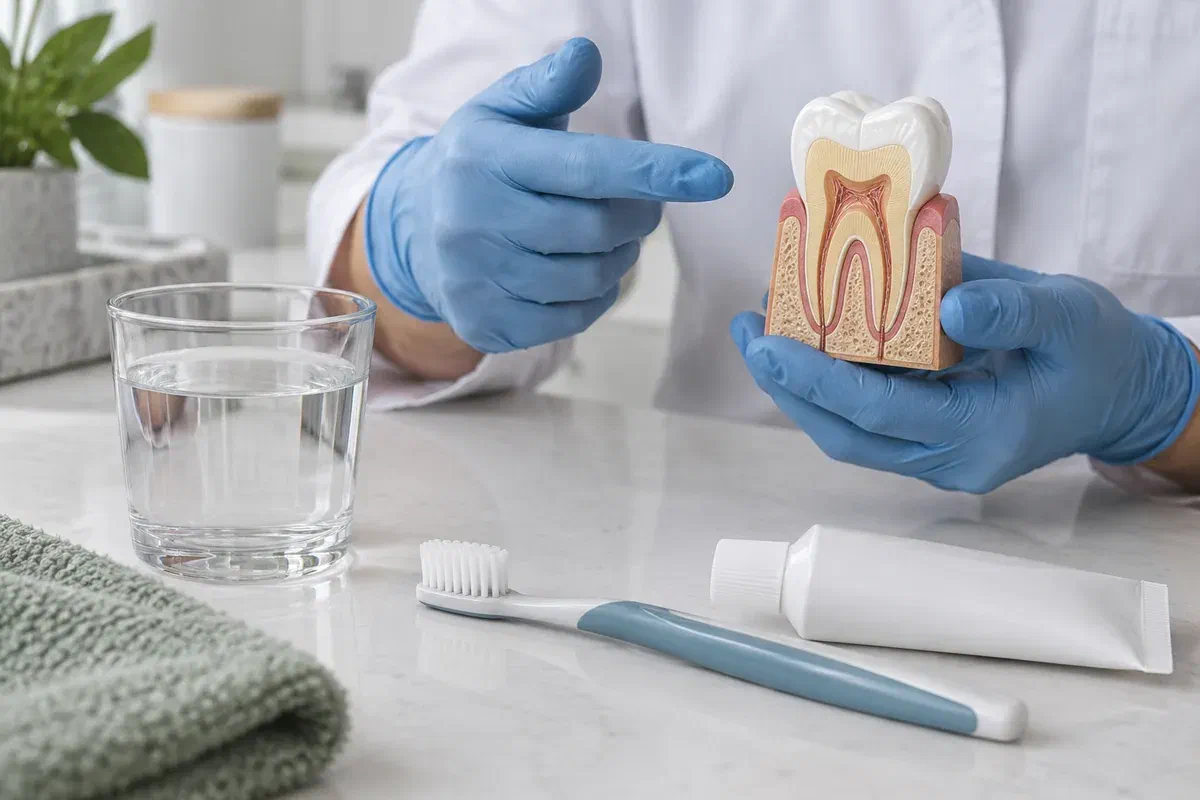
Sensitivity to cold or a change in how a tooth looks is often how erosion first shows itself. An exam helps tell it apart from decay, brushing abrasion, grinding and other causes.
Thinner enamel can let cold reach the more sensitive layer below. Note which teeth respond, whether warm drinks also bother them, and how long the feeling lasts once the drink is gone.
Edges may look shorter, see-through or slightly chipped. Photographs and examination can show whether this is ongoing wear, an older stable change, or something else affecting the tooth.
Smooth dips in chewing surfaces, or fillings that seem to sit above the surrounding enamel, can be signs of loss. The dentist also looks at how teeth meet, because grinding and acid often combine.
Discolouration alone does not mean erosion. It is best not to start whitening or a new toothpaste until the cause has been checked.
With a longer trip, it helps to leave the first appointment knowing what to do at home. Early care centres on reducing acid exposure and easing sensitivity, through changes in drinking habits, fluoride, or a conversation with your physician if reflux or vomiting may be involved.
Eroded enamel does not regenerate. Once a worn tooth is uncomfortable, harder to chew with or bothering you in the mirror, restorations may be planned with prevention. Remaining enamel and the wear pattern help decide whether a small bonded repair is enough or broader work, perhaps grouped into fewer, longer visits, is better.
Patient information: ADA — dietary acids and teeth
Connecting your habits, symptoms and the location of wear gives you specific changes to make, instead of a vague list of foods to avoid.
Lowering exposure first gives restorations firmer ground and gives you clear tasks to work on between appointments.
The plan sets out which teeth need repair, which can be watched and how visits can be grouped.
The first visit links your symptoms with the dentist's findings. Treatment can be staged, and we can discuss combining steps where it is clinically reasonable.
Share details about sensitivity, appearance, food and drink and your health. Bring your medication list and mention reflux or dry mouth, since these are easy to overlook.
Enamel, existing restorations and the bite are examined. Photos or scans document the starting point; X-rays are taken only when they would answer a specific clinical question.
We go over likely causes, sensitivity options and whether any tooth needs restoring now. Ask which steps address the cause and which rebuild lost structure, and how they could be grouped.
Follow-up compares symptoms and surfaces with the first records. Reviews can often line up with your regular checkups, and the plan changes if wear continues.
Use the products recommended for you rather than trying several strong ones together. A comfortable, steady routine matters more than an intensive one.
Drinking something acidic slowly over hours prolongs exposure. Review your usual drinks with us, including sugar-free options, and make water your default between meals.
Gentle strokes with a soft-bristled brush and a fluoride paste picked for your teeth are usually enough. After citrus, wine or pop, check with us on a sensible wait before brushing so softened enamel is not scrubbed.
Track sensitivity, heartburn or dry mouth so you can share the pattern at reviews. If a health condition is behind the exposure, your doctor may need to be involved.
These questions often come from people planning care from farther away. Your examination determines the right treatment.
If you are travelling from Etobicoke, book an assessment to discuss sensitivity, thinning enamel or worn fillings. We will explain the wear pattern and set out prevention, monitoring and repair in an order that keeps trips manageable.
For severe pain or swelling, call right away or seek closer urgent care. Online enquiries are not for emergencies.
