A more transparent rim
Tips of the upper front teeth can look bluish, see-through or faintly chipped. Some people also feel a sharp twinge with cold drinks. Mention both, along with which teeth are involved and how long any sensitivity lasts.

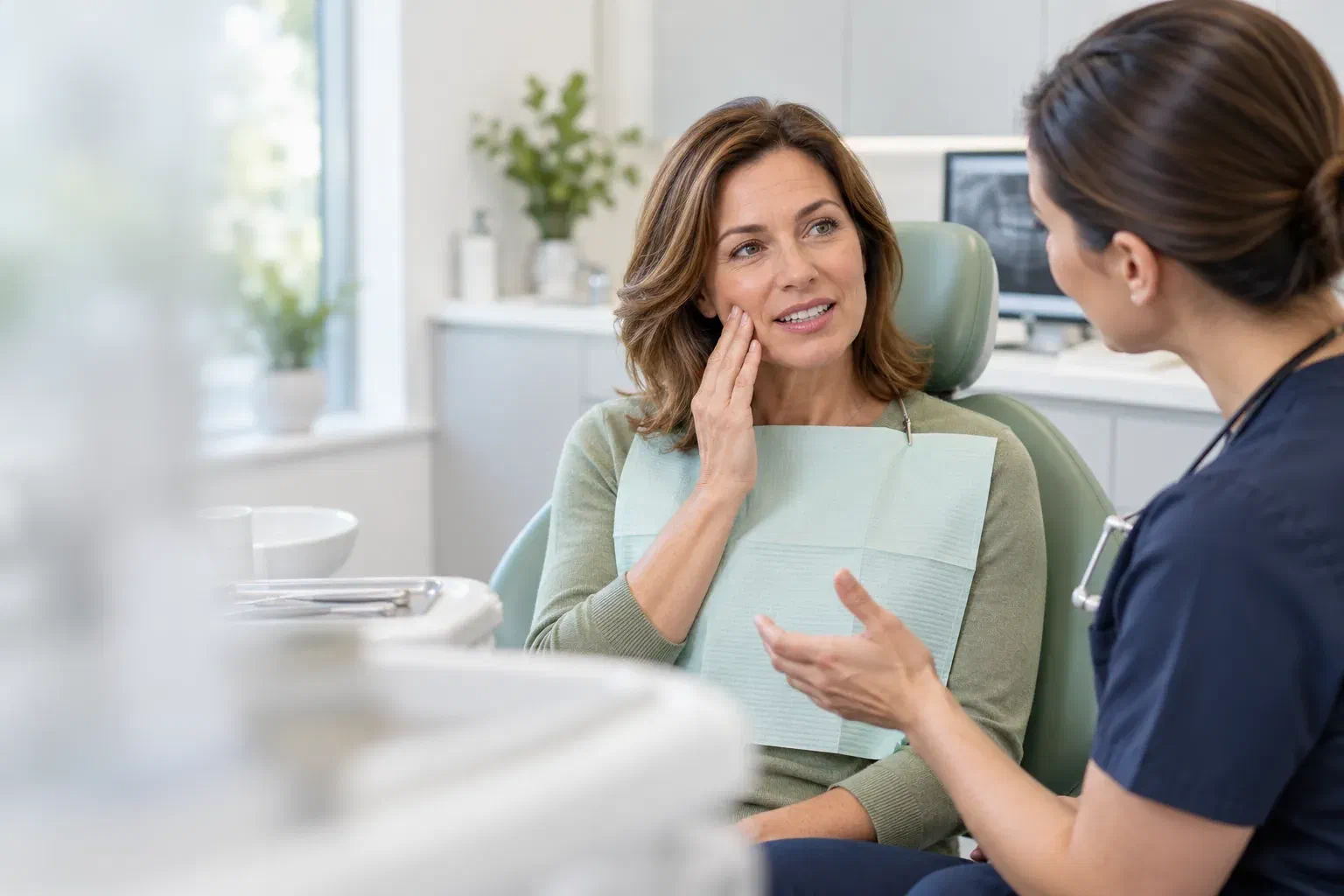
Duller, yellower or shorter-looking teeth often send people toward whitening, when the real issue may be enamel lost to acid. Georgetown patients can find out what is changing before choosing any cosmetic step.
Teeth that seem yellower than they used to can be a surprising sign of erosion. As acid softens and removes enamel, more of the darker layer beneath shows through. Whitening cannot replace that missing enamel, and it may make sensitive teeth more uncomfortable. Erosion is chemical, not bacterial, so it differs from decay, although the two can occur together.
The acids involved can come from many places: citrus, pop, flavoured sparkling water, reflux, vomiting or a dry mouth. How your teeth meet can concentrate wear on particular edges. Sorting out which sources apply helps the dentist protect your enamel and plan any cosmetic work sensibly.
When someone from Georgetown asks us about whitening, we first look closely at the enamel. Tell us what you drink, when teeth feel sensitive and whether your smile or bite has changed.
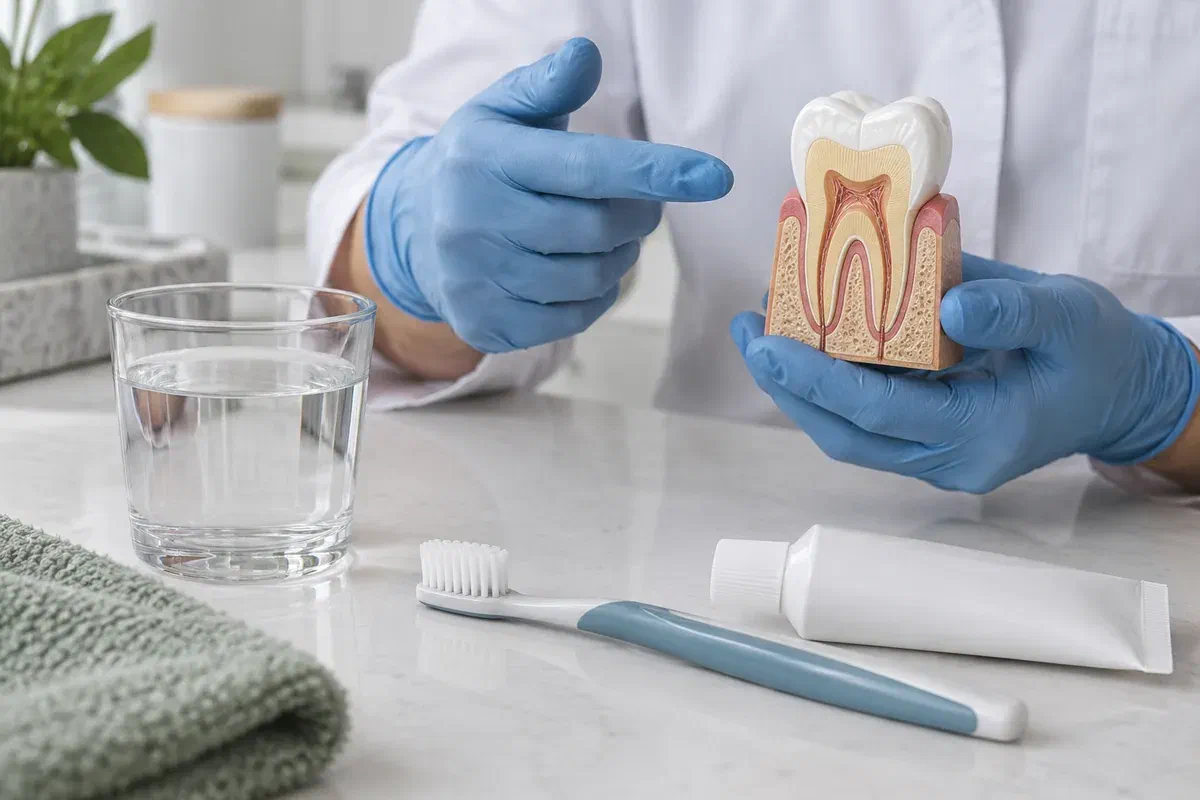
Many people notice erosion through appearance before discomfort. An examination helps separate acid wear from staining, decay, toothbrush abrasion, grinding and other changes.
Tips of the upper front teeth can look bluish, see-through or faintly chipped. Some people also feel a sharp twinge with cold drinks. Mention both, along with which teeth are involved and how long any sensitivity lasts.
Gradual loss of length can change the look of a smile without any single moment of damage. Photographs taken now help the dentist judge later whether wear is still happening or has settled.
A filling that looks raised, or a cupped dip on a molar, can mean the enamel around it has worn away. The bite is checked as well, since grinding adds to acid wear.
Colour on its own cannot confirm erosion, and whitening is not a treatment for it. Hold off on whitening kits or new pastes until the cause of the change is clear.
Protecting what remains comes first. Care may involve changing how often acidic drinks are taken, adding fluoride to strengthen surfaces, easing sensitivity, or talking with your doctor if reflux or vomiting could be involved. Cosmetic choices can then be made on firmer ground.
Enamel lost to acid does not come back. If wear affects comfort, function or the appearance of your smile, restorations can be planned alongside prevention. How much enamel remains and where the wear is concentrated guide whether limited bonding or broader restorative treatment is appropriate.
Patient information: ADA — dietary acids and teeth
Knowing whether a tooth is stained, thin or both points you toward the right next step instead of a product that will not help.
Lowering acid exposure first gives bonding and other restorations a better chance to keep their look and fit over time.
Some teeth only need monitoring, others benefit from rebuilding. The plan makes clear where effort will make a difference.
Your appointment links what you have noticed with what the dentist sees. Any cosmetic or restorative work can be staged once the cause of the wear has been addressed.
Tell us how your teeth look and feel different, what you eat and drink, and relevant health issues. Mention any whitening products you have used and bring your medication list.
The dentist looks at enamel, existing fillings and how the teeth meet. Photographs are especially helpful for front teeth, and X-rays are used only when a specific question needs answering.
Review what is likely causing the wear, ways to ease sensitivity, and whether repair is needed now. Ask which steps deal with the cause and which rebuild shape or colour.
Follow-up checks how teeth and symptoms compare with the initial photographs. Restorations can be polished or adjusted and the plan changed if wear continues.
Follow the routine recommended for you rather than combining several strong or abrasive products. Consistent, gentle care protects both natural enamel and any new work.
Lemon water or pop sipped over hours keeps enamel soft for longer. Talk with us about your most frequent drinks, sugar-free ones included, and lean on plain water between meals.
Choose a soft brush and the fluoride paste we recommend. Abrasive whitening or charcoal products can scour thinned enamel. Ask how long to wait after an acidic drink before brushing.
Note when sensitivity, heartburn or a dry mouth occurs and bring that to your reviews. Ongoing exposure from a health condition may need a doctor's input alongside dental care.
In Georgetown and beyond, these come up when someone notices their teeth look different in photos or the mirror. Your exam determines what will actually help.
Coming from Georgetown, you can visit our Milton clinic with questions about dull, shorter or sensitive teeth. We will explain what the wear pattern shows and suggest prevention, monitoring and repair before any cosmetic choices.
If you have severe pain or swelling, please call us. Online requests cannot replace urgent assessment.
