Wear that has shortened the teeth
Lost height reduces the space for restorations and can change the look of your smile. A careful plan identifies the likely causes, such as grinding or acid, before deciding how much rebuilding is justified.


Holding a long treatment estimate and not sure what it all means? From Oakville, you can bring that proposal to us for an independent look at your bite, the reasons behind each item, and the options in between.
A multi-page estimate covering a dozen teeth can feel overwhelming. You may wonder whether every item is necessary, why a healthy-looking tooth is on the list, or what would happen if you did only part of it. Those are sensible questions, and a good plan should be able to answer them.
The term bite reconstruction covers a coordinated set of restorations for teeth that no longer work well together. Heavy wear, several failing repairs and missing teeth are common reasons. There is no single standard version. A dentist assesses each tooth, the way the jaws close, the supporting gums and bone, and the causes of damage, and then chooses treatments and an order that suit that mouth.
Coming from Oakville for a fresh opinion is common, and you are welcome to bring the written plan, X-rays and any records you have. We examine your teeth independently, then talk through where our view matches, where it differs and why, and what matters most to you in daily life.
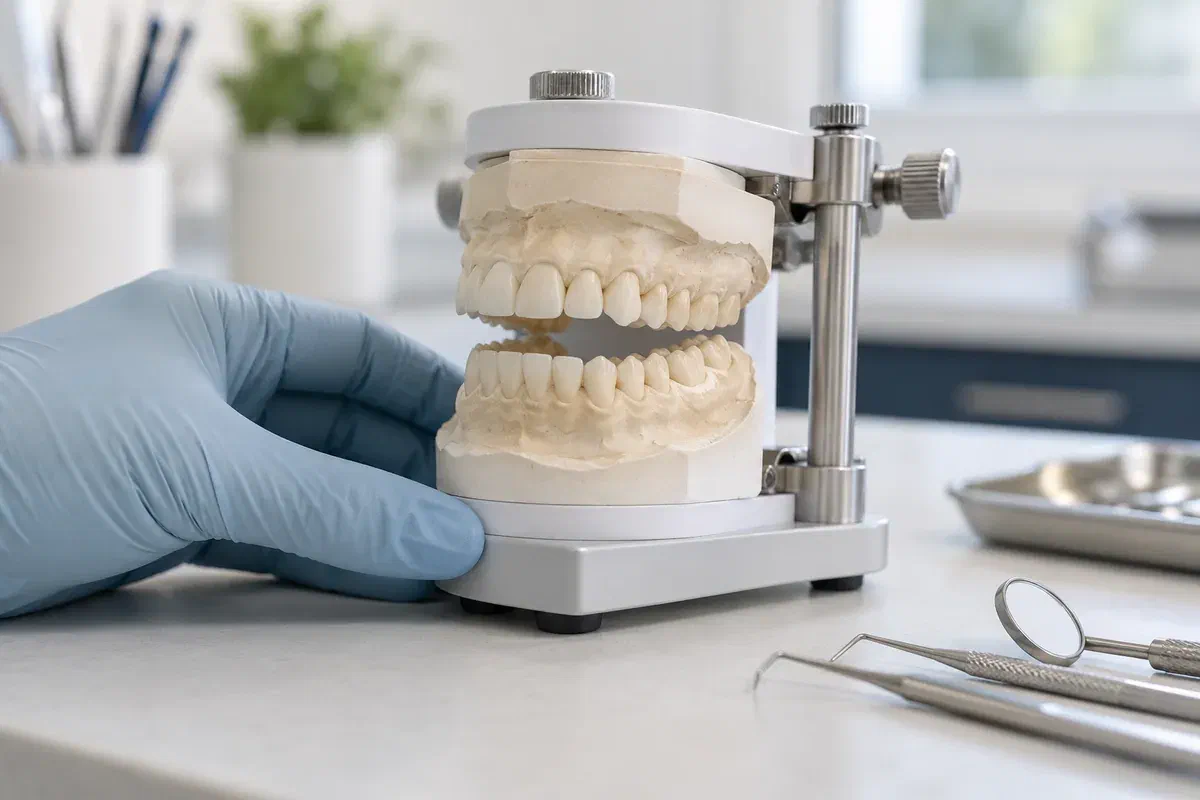
A treatment plan grows when one tooth’s condition affects choices for the teeth beside or opposite it. Seeing those connections helps you judge whether a broad plan, or a narrower one, fits your situation.
Lost height reduces the space for restorations and can change the look of your smile. A careful plan identifies the likely causes, such as grinding or acid, before deciding how much rebuilding is justified.
Crowns that chip and fillings that crack in a pattern may point to bite forces, weak remaining tooth or material choice. The plan should address those causes, not only the damaged surfaces.
A gap can change how neighbouring and opposing teeth work, which shapes what a replacement needs to do. Describing where you chew and what you avoid helps test whether the proposal suits you.
If a plan promises to cure jaw-joint pain by changing your bite, ask what diagnosis supports that. Jaw symptoms have many causes and need their own assessment, with conservative options considered.
When restorations are planned together, the dentist can account for tooth shape, room available, replacement choices and timing as one picture. That reduces the risk of finishing an early stage that later limits the next one.
A reconstruction plan should also be candid about its costs: fees, appointments, maintenance, tooth reduction and uncertain longevity. If a plan does not show where monitoring or a simpler repair could work instead, ask for that comparison.
Treatment needed soon, such as for decay, infection or fracture, is kept apart from later goals for function and appearance, so you can see the urgency of each step.
Study models, photographs and sometimes provisional restorations allow the proposed shape and bite to be checked before final restorations are made.
Every restoration needs care. The plan should cover cleaning access, review visits, and whether a guard against grinding or clenching makes sense.
Even with another office’s plan in hand, we gather our own findings. Ask how the diagnosis is reached, which stages are optional, and what happens if a tooth changes during treatment.
We review your concerns, history, teeth, gums, current restorations and health factors. Imaging, photographs, scans or models may be taken or reviewed to document the bite as it is now.
We discuss what you want for comfort, chewing and appearance, then outline costs, sequence and alternatives. Active disease generally comes first, and some steps may involve a specialist.
If you proceed, treatment may move from stabilization to provisional restorations to final work. Any planned change in bite height or contacts is explained and reviewed with you.
Reviews check comfort, function, cleaning and restoration condition. Let us know early about symptoms that persist so they can be investigated and adjusted if appropriate.
Aftercare depends on the mix of restorations and natural teeth you end up with. Ask for instructions that cover each area and a list of changes worth reporting.
Crowns, bridges and implant restorations need different tools and techniques. Ask for a demonstration in your own mouth so you know where plaque tends to hide.
A high spot, a tooth that stays sore or repeated small chips deserve a visit. Try not to keep testing a tender area with hard foods, and leave any adjustment to the dentist.
If a guard is prescribed for clenching or grinding, wear it as directed and keep it clean. Bring it to reviews so its fit and wear can be checked with your teeth.
Treatment plans should be understandable to the person receiving them. Ask about the original problem, the proposed changes, the alternatives and who manages follow-up.
Book an assessment at our Bronte Street practice and bring the plan you have been given, along with any records and questions. We will examine your bite independently and explain the priorities and options in plain terms.
If a tooth has just broken, or you have significant pain or swelling, please call so the team can discuss how urgent it is.
