An edge that scrapes your lip
A rough patch from an impact can feel large and distracting. The dentist assesses how far it extends and what outline remains before deciding whether light smoothing is enough or would change the tooth too much.

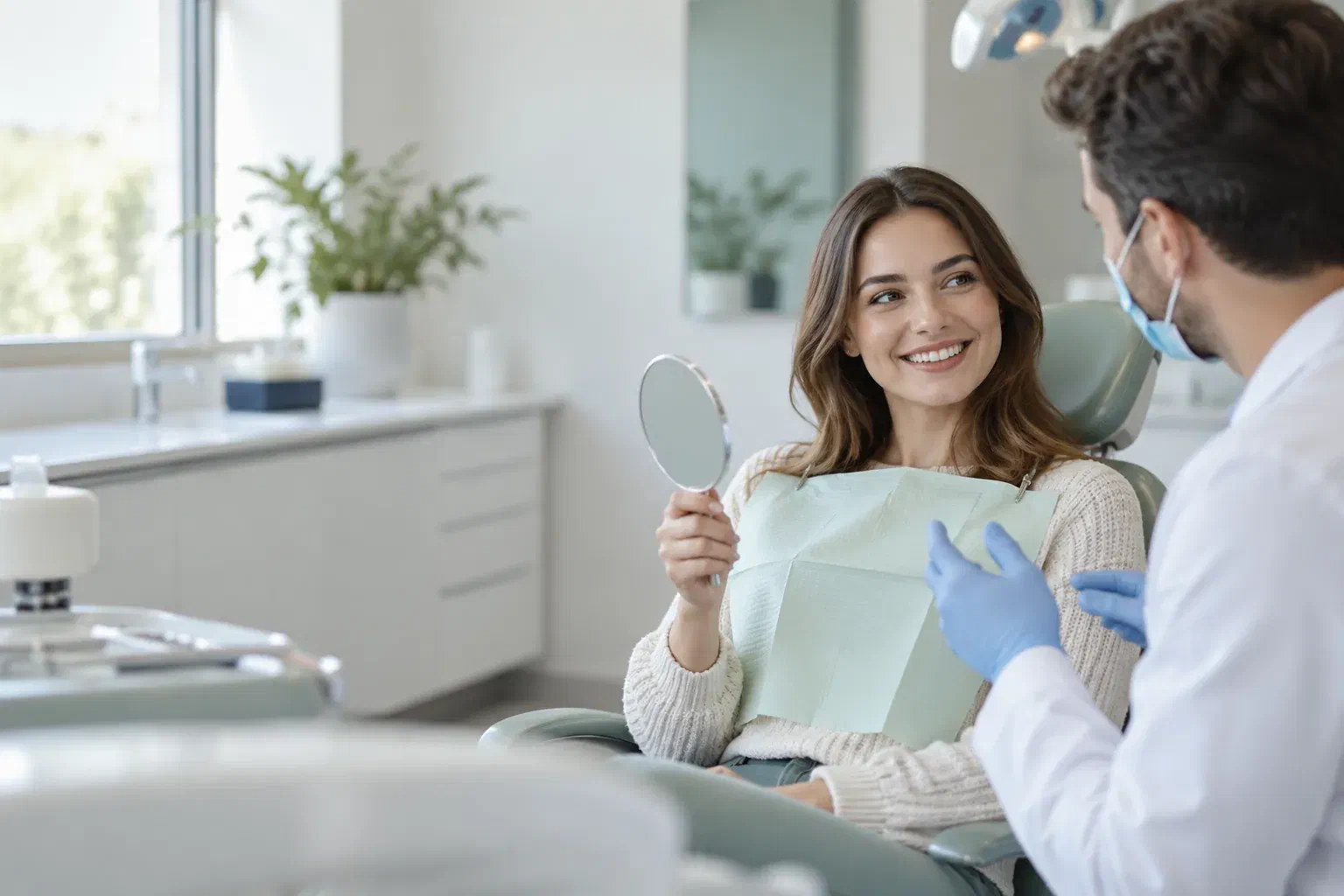
A stick, an elbow or a stray ball can take a corner off a tooth in a second. If you are coming from Burlington, we check the injury as well as the chip before planning a repair that suits it.
Contact sports, a fall from a bike and a collision in the backyard all have something in common: the front teeth often take the hit. Sometimes the only sign is a small corner that is suddenly gone. That missing corner is lost tooth surface, and when it follows an impact, the tooth behind it deserves as much attention as the chip.
Repair choices depend on how big and how deep the break is, which tooth took the blow and how your bite comes together. A shallow nick on the enamel is handled differently from a corner that has clearly broken away, and both differ from a chip that exposes a more sensitive layer or comes with a loosened tooth.
When you come in from Burlington, our Bronte Street practice starts by asking how it happened. Was it a stick, a ball, a fall or a meal? Tell us about any bleeding or wobbling, too. You can share how you want the tooth to look afterwards, but the first priority is making sure it is healthy and stable.
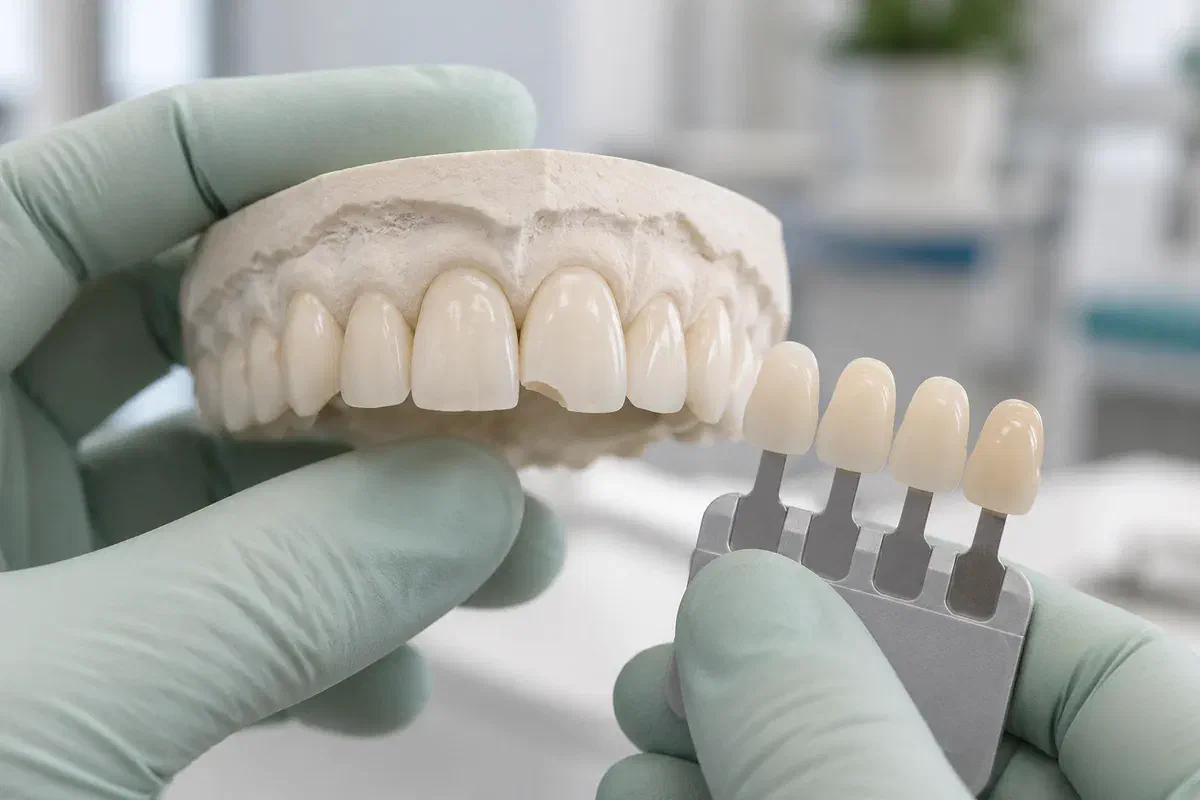
A chip may involve only enamel, or it may come with a crack, bruising of the tooth’s nerve or damage to the surrounding gum and bone. Assessment helps separate a simple defect from an injury needing more care.
A rough patch from an impact can feel large and distracting. The dentist assesses how far it extends and what outline remains before deciding whether light smoothing is enough or would change the tooth too much.
When a front tooth loses its corner, it can look shorter or out of line. Describe what you noticed, and if you have a team photo or picture from before, it can help show the original shape.
A repeat injury or chip on one tooth calls for a look at the bite, habits, wear and any earlier repair. Rebuilding without knowing why it keeps breaking can leave the new edge just as exposed.
After any blow to the mouth, mention whether the tooth moved, bled, changed colour or now meets its partner differently. These details shape how urgently and how thoroughly the tooth is examined.
If the injury is limited, care might just mean taking the sharpness off an edge or replacing a small amount of missing structure. Composite bonding is one option for a chipped corner when the tooth, the surface for bonding and the forces of your bite make it a sound choice.
Even a well-made tooth-coloured repair has limits. Colour, texture and strength all have to be considered, and a repaired edge may stain or break again, particularly if it takes another knock. Your dentist should be clear about what is realistic and should not promise an exact match or a permanent fix.
Patient information: NHS — chipped, broken or cracked teeth
Dealing with a jagged spot can stop it catching your tongue or lip all day, provided the injury behind it has been assessed properly.
You can discuss how much of the corner to rebuild. The change is planned against the neighbouring teeth and the way your smile normally looks.
A thorough assessment can keep a minor chip from being over-treated. If something more is advised, ask which findings make a simpler repair a poor fit.
Some chips can be repaired in a single visit, while an injured tooth may need watching before the final repair. The examination decides which applies, so allow time to talk through what was found.
The dentist examines the broken edge, the remaining tooth, the gums and the bite. How the injury happened and any symptoms guide whether X-rays or sensitivity tests are needed first.
Smoothing, reattaching a saved fragment, bonding or another approach may be discussed. Ask how each affects the tooth and what to expect for appearance, strength and upkeep.
A suitable edge may be refined, or the missing portion rebuilt with composite in a matched colour and contour, then set and polished. Sometimes a temporary measure comes first.
The bite and finish are checked before you leave. After trauma, a follow-up is often suggested, because a tooth’s response to injury can take time to show.
A polished edge, a bonded corner and a larger restoration each come with slightly different advice. Ask about any short-term limits, including when it is reasonable to return to contact sport.
Hockey, lacrosse, rugby, basketball and similar sports put front teeth at risk. Ask whether a properly fitted guard makes sense, especially for a tooth that has already been chipped and repaired.
Use a fluoride toothpaste and clean between teeth each day. If floss snags on the repaired corner or the surface feels rough, tell us rather than working at it with an abrasive product.
Report a tooth that darkens, becomes tender or chips again, or a bite that feels different. These can be signs that the injury needs another look.
Injury-related chips raise questions about urgency, sport and how long a repair will last. These answers can help you prepare before heading over from Burlington.
Come to our Bronte Street practice to discuss a corner lost to a game, a fall or an ordinary meal. We will check the injury and the chip, explain suitable repairs and think about shape, comfort and function together before you decide.
Call straight away after a recent impact, if a tooth has moved, or if there is severe pain or swelling, so the urgency can be discussed before you head over.
