Floss that suddenly shreds
A rough edge between teeth can tear floss and trap food. The dentist checks the depth and shape of the chip to decide whether a light smoothing will fix it or whether it needs rebuilding.


A chip that does not hurt is easy to put off, especially when a dental visit means planning a trip from Puslinch. A quick exam shows whether it can safely wait, needs smoothing or calls for a repair.
Most chipped teeth do not ache. The tooth simply feels different: a tiny shelf at the edge, a corner that is slightly squarer than before, a spot where floss now catches. With no pain to push you, it is natural to wonder whether a visit is needed at all, or whether you can leave it until your next check-up.
Sometimes waiting is reasonable. That depends on what has been lost. A shallow flake from the enamel is a different thing from a corner that has clearly broken away, and both differ from a chip that has thinned the tooth over a more sensitive layer or sits beside decay. The tooth’s position and how your bite meets it also shape the answer.
For households in Puslinch, one visit to our Bronte Street practice can settle the question. Tell us when you noticed the change and whether it followed a bite, a knock or nothing obvious. If appearance bothers you, say so. The recommendation, though, rests on the tooth’s health and how it functions.
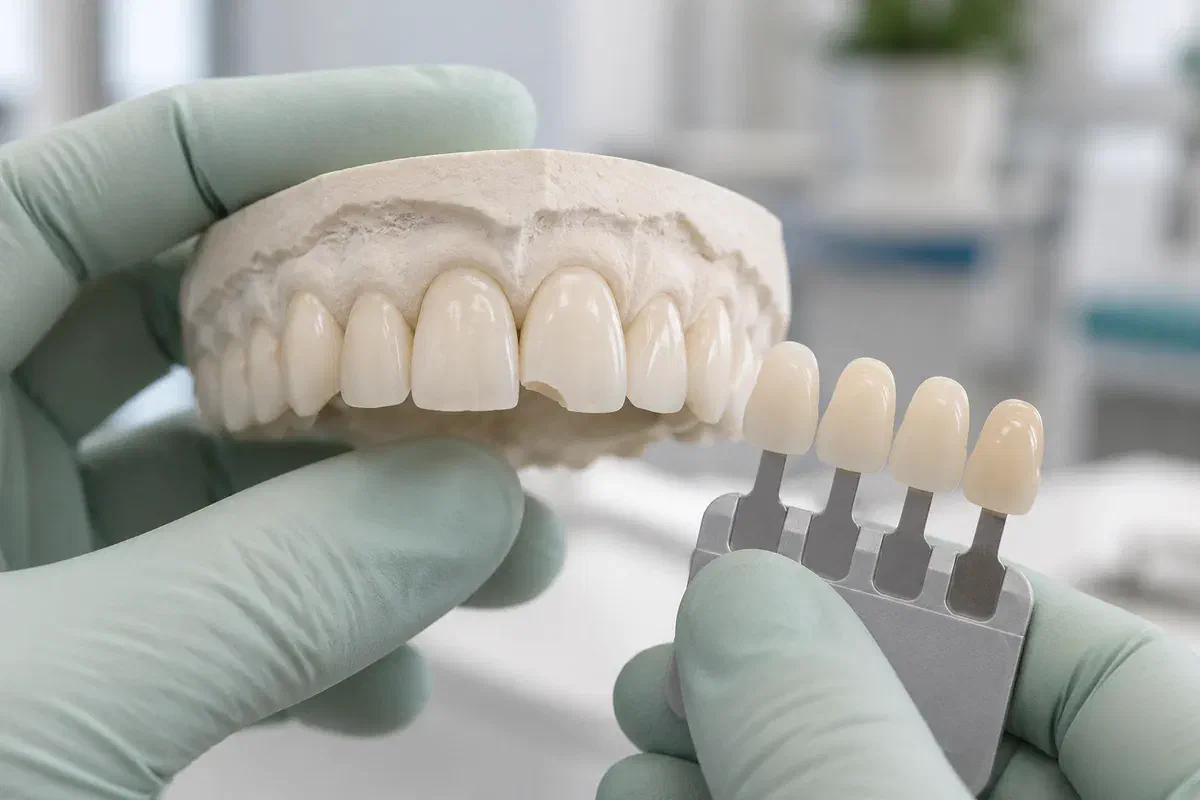
Some chips without pain are harmless surface defects. Others are the first visible sign of a crack, decay at an older filling or wear that is quietly thinning the tooth. The exam tells you which.
A rough edge between teeth can tear floss and trap food. The dentist checks the depth and shape of the chip to decide whether a light smoothing will fix it or whether it needs rebuilding.
Even without discomfort, a chipped front corner can change your smile. Mention what you have seen, and if you have a picture from before, it can help guide any reshaping.
If a chip gets larger or a new one appears beside it, the dentist reviews your bite, wear, habits and older fillings. Waiting on a chip that keeps changing can let a small problem become a bigger one.
Even a painless chip after a fall or blow should be mentioned. Looseness, bleeding, a darker colour or a change in bite can signal an injury that needs a wider check.
For many small chips, the outcome of the visit is reassurance plus a light polish. Others need a little structure added back, and composite bonding is often considered when there is enough sound enamel to hold it and the bite will not strain the area.
If a repair is suggested, ask what it can and cannot do. Composite can be shaded to suit the tooth, but no match is perfect, and it may stain, wear or chip over time. A good explanation weighs the benefits against simply monitoring the chip, without promising more than the material can deliver.
Patient information: NHS — chipped, broken or cracked teeth
Smoothing or rebuilding a rough spot can stop floss shredding and food packing, provided whatever caused the chip is understood.
Knowing whether the chip is stable lets you choose between monitoring and repair with real information, rather than worrying about it.
Assessment can keep a small chip from turning into extensive work. If a larger restoration is suggested, ask what the exam showed that makes a smaller one unsuitable.
A painless chip can often be assessed and, if needed, smoothed or repaired in a single appointment. The exam guides that, so allow a little time to hear what was found.
The dentist looks at the chipped area, the tooth that remains and the gums around it. Depending on what is found, an X-ray may help check for decay or deeper damage.
You will hear whether the chip looks stable or is likely to worsen. Options may include monitoring, smoothing, bonding or another repair, with the reasons for each.
A suitable edge may be polished, or the missing part rebuilt with composite in a matching shade, then cured and finished to a smooth surface.
If you decide to monitor the chip, the dentist can note it and review it at your next visit. Your bite and comfort are checked either way.
Whether the chip was repaired or is being watched, a few habits help keep it from getting worse. Ask about any short-term precautions after treatment.
Biting ice, cracking shells or tearing tags open puts sudden force on one point. Choose a tool or a knife instead, especially while a chip is being monitored.
Brush with fluoride toothpaste and clean between teeth once a day. If floss still catches after a repair, let us know rather than trying to smooth it yourself.
Note if the chip seems larger, the tooth becomes sensitive or your bite changes. If you grind or play sport, ask whether a protective appliance would help.
When a chip does not hurt, the main question is whether to act now. These answers may help you decide.
Visit our Bronte Street practice to have a painless chip, a rough edge or a missing corner checked. We will explain whether it is stable, what the choices are, and how each would affect the tooth’s shape, comfort and function.
Please phone rather than book online when the chip followed a recent impact, or a tooth is loose, very painful or swollen, so urgency can be discussed.
