Decay that keeps advancing
A cavity can deepen while you wait, sometimes without pain. Treating it in time usually means a smaller repair after the decay is cleared.


Dreading the sound of the drill is more common than you might think. If you are coming from Puslinch, we explain each part of a tooth-coloured filling before it happens and agree on how you can pause.
Some people put off a filling for years, not because the tooth is fine but because the idea of the chair is hard to face. If that sounds familiar, you are in good company, and saying so out loud is often the first step that helps.
Knowing what actually happens can take some of the dread away. For a composite filling, the dentist numbs the area if needed, removes decay or damaged tooth, and builds the space back up with a tooth-coloured resin that is hardened by a small light. It is shaped and polished on the spot. Before any of that, an exam confirms whether a filling is the right repair at all.
People who book with us from Puslinch can ask for a short conversation first, so questions are answered before treatment is even scheduled.
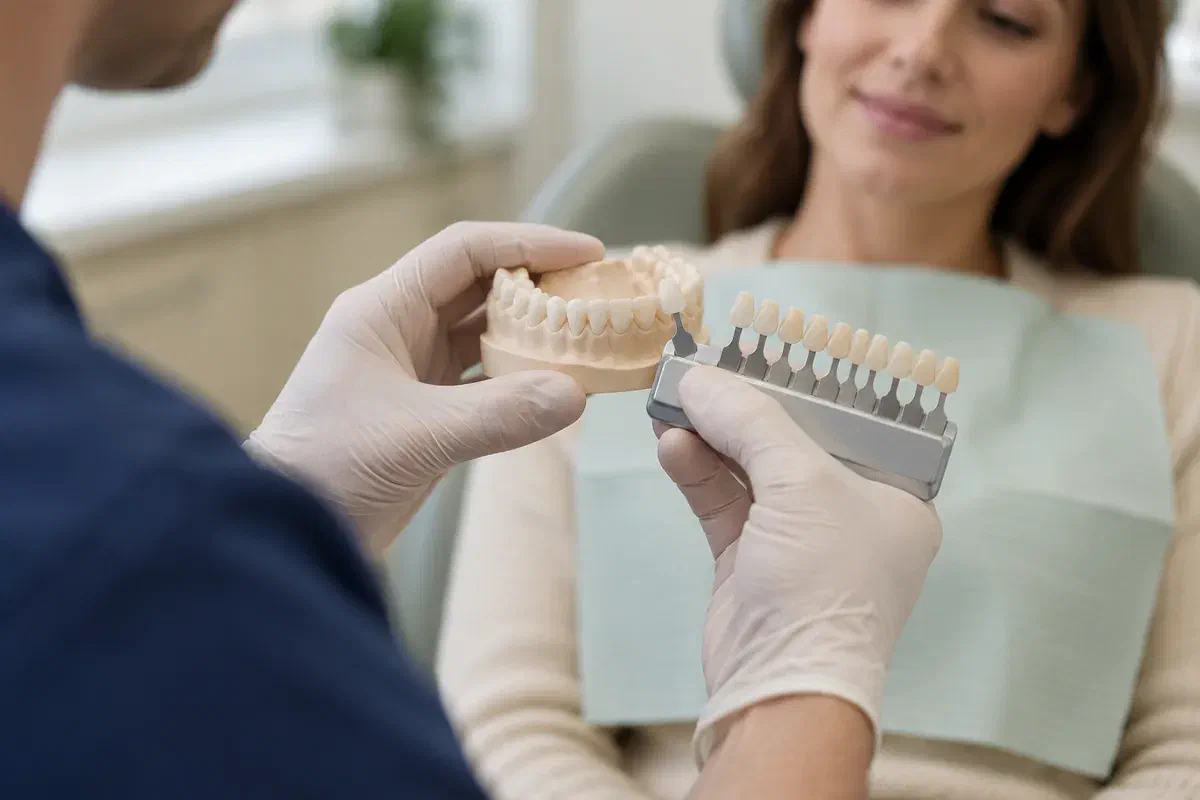
A filling is one of several possible responses to damage. The exam finds the cause, how deep it runs, and whether enough healthy tooth remains for a bonded repair.
A cavity can deepen while you wait, sometimes without pain. Treating it in time usually means a smaller repair after the decay is cleared.
A chip may be restorable with composite, depending on its position, the bite on that tooth, and whether a crack extends beneath it.
Rough or discoloured edges around an earlier filling should be checked. The fix might be small, or the dentist may suggest simply watching it.
Sensitivity can point to several things, not only decay. Mention what brings it on and how long it stays, and the cause can be sorted out first.
Composite can be tinted to suit your enamel, so it is a natural fit for visible repairs. It also works for selected back-tooth cavities, provided the filling is not too large and the force of chewing is taken into account.
Some limits apply. A dry tooth is needed while the material bonds, and an extensive or heavily loaded restoration may be better handled another way. The right answer for one tooth may differ for the next.
Patient information: ADA — tooth-coloured fillings · FDA — filling materials
Your dentist chooses a shade that suits your tooth, so the filling sits naturally among the others.
Bonding can let more healthy tooth stay in place, depending on what condition the tooth is in.
A direct filling is often completed in one treatment visit, which some anxious people appreciate. The exam or further care may be separate.
You can ask us to explain things as we go or to keep it quiet. Lift a hand to pause at any point, and ask whatever you need to.
We begin with your concern and any worries, then check the tooth. If X-rays would help assess decay or surrounding structures, we will explain why. The planned repair, alternatives and estimated fee are covered before anything starts.
Local anaesthetic may be used, and we will tell you before it is given. The damaged part is removed and the tooth kept clean and dry so the resin can bond.
Composite goes on a little at a time, with a curing light setting each layer. The dentist shapes it to restore the surface and the contact with the neighbouring tooth.
The filling is smoothed and your bite tested gently. You can take a moment, then ask about food, cleaning or anything that feels unfamiliar.
Follow the advice given for your treatment. If something does not feel right later, call us; you do not need to wait until your next visit.
Give the numbness time to wear off before chewing, and let hot drinks cool, so you do not accidentally bite or burn your cheek, lip or tongue.
Mild sensitivity can occur briefly. Contact us if pain is building, sensitivity is not easing, or the treated tooth feels like it lands first.
Brush twice daily using fluoride toothpaste and clean between teeth each day. New decay can form around the edge of any filling.
Patient information: Cleveland Clinic — dental fillings
Any question is welcome. If you would rather start by telling us what worries you, that is fine too.
Patient information: CDA — tooth-coloured fillings · FDA — existing amalgam fillings
Bring your concerns about a cavity, a chip or an older filling to our Bronte Street practice. We assess the tooth, talk through the options and go only as fast as you are comfortable with.
For significant pain or swelling, call us directly. Online requests are for non-urgent visits.
