

Illustrative consultation about a dental crown that has become detached
Restorative Dentistry

Crown Recementation

A crown that has come off may be reusable, but the tooth beneath it needs checking first. Discuss crown recementation in Milton and find out whether refitting the existing crown is a suitable next step.

A closer look at crown recementation

Check why it came off before putting it back.

Crown recementation means securing an existing crown back onto a tooth when the crown and its support are still suitable. It can be a useful option after a crown becomes detached, but it is not simply a matter of adding more cement. The reason it loosened needs attention too.

A crown may look intact while the tooth or supporting build-up underneath has changed. Alternatively, the crown itself may be damaged or no longer fit correctly. An examination helps distinguish a crown that can reasonably be reused from a situation that calls for repair, replacement, or another treatment.

At Milton Dental Clinic, bring the crown and explain what happened before it came off. Tell us about any earlier looseness, discomfort, or repeated recementation. We can assess the parts together and discuss whether refitting the crown makes sense for the tooth as it is now.

Ask about a crown that came off
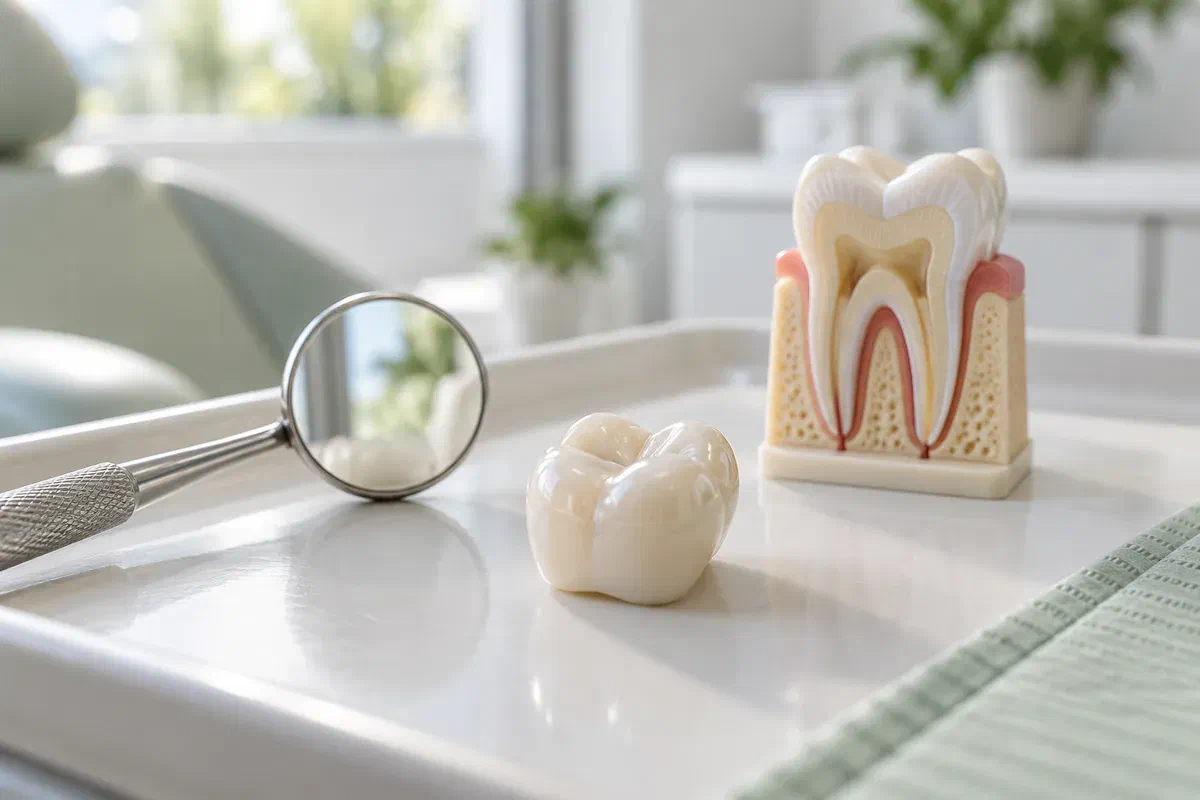
Ceramic dental crown beside a tooth teaching model and dental mirror
What to mention when you call

The details help us understand what needs checking.

A detached crown can be inconvenient even without pain. Let the team know whether the crown is completely out, whether anything appears attached inside it, and whether the tooth has become uncomfortable.

The crown came away during a meal

Keep a detached crown in a clean, secure container and bring it to the appointment. Explain what you were eating and whether there had been earlier movement. Avoid forcing it back into place or testing the tooth with hard foods.

The tooth beneath feels sensitive

Describe what triggers the sensitivity and whether it stops quickly or continues. The dentist needs to consider the condition of the exposed tooth rather than assume that replacing the crown will address every symptom.

This has happened before

Repeated loss of retention deserves a review of the crown, the supporting structure, and the way the teeth meet. Tell the team when it was last refitted and whether the same circumstances seem to precede each episode.

If the crown is still attached but moves, contact the clinic for advice rather than pulling at it. Mention any pain, swelling, or recent injury when arranging the visit.

When reusing the crown is appropriate

Keep a useful restoration when the conditions support it.

A crown that remains intact and fits a suitable tooth may be considered for recementation. Reusing it can avoid making a new restoration when that is not necessary. The decision depends on an assessment of both the crown and what it will be attached to.

Refitting an unsuitable crown can leave the original problem unresolved. If the dentist recommends another approach, ask which finding makes recementation unreliable. The explanation should connect the recommendation to the tooth’s current condition, not only to the age of the crown.

Preserve a restoration that still serves its purpose

When its fit, condition, and supporting tooth are appropriate, the existing crown may continue to provide useful coverage. You can discuss whether any additional work is needed before it is secured again.

Understand the cause of the detachment

Reviewing the tooth and crown can identify concerns that would be missed by simply replacing it at home. Ask what appears to have contributed and whether the proposed plan addresses that concern.

Clarify whether the result is temporary or definitive

Sometimes a short-term measure is part of a broader plan. Make sure you know whether the crown is being refitted as the intended final treatment or to manage the situation while another appointment is arranged.

From loose crown to an informed decision

Assess the parts, confirm the fit, and check the bite.

A recementation appointment begins with deciding whether reuse is appropriate. The examination may identify a different need, so allow room for a discussion of the findings before expecting the crown to be permanently refitted.

  1. Review the crown and tooth together

    The dentist examines the detached restoration, the remaining tooth, and any material inside the crown. Your symptoms and treatment history help determine whether further tests or imaging are needed before a decision can be made.

  2. Explain whether the crown can be reused

    The assessment considers fit, damage, and the available support. Discuss any decay, fracture, or other finding that changes the recommendation, along with the options and costs if simple recementation is not suitable.

  3. Prepare and secure a suitable crown

    If reuse is appropriate, the dentist prepares the relevant surfaces and uses a suitable dental cement or bonding approach. The procedure depends on the restoration and clinical conditions; it should not be attempted with household adhesives.

  4. Check the result and give instructions

    The crown’s position, contacts, and bite are reviewed, and excess material is addressed. Ask when you may eat normally, how to clean around it, and whether a follow-up appointment or further treatment is planned.

After the crown is refitted

Follow the instructions for this crown and this appointment.

The immediate advice can vary with the cement, the tooth, and any additional treatment. Ask for clear guidance before leaving, especially if the crown has been refitted temporarily or the area was numb during care.

Respect the immediate eating guidance

Follow the timing and food precautions given by the treating dentist. Do not assume an instruction from a previous crown applies to this one. If numbness is present, ask about avoiding accidental biting of the cheek or tongue.

Keep the margins and neighbouring spaces clean

Use the brushing and interdental cleaning method recommended for the area. Report floss that persistently catches, gum irritation, or a surface that feels different rather than trying to scrape away material with a sharp object.

Report movement or an uncomfortable contact

A crown that feels loose again or seems to meet the opposite tooth too soon needs review. Contact the clinic and describe the change. Continuing to test it by biting or pushing can make the situation harder to assess.

Patient information: NHS Wales — lost filling or crown

Choosing what happens next

Reuse is one option, not an automatic outcome.

The crown, supporting tooth, and surrounding tissues must be considered together. Ask what each option is intended to solve and what the consequences would be of postponing the recommended care.

When fit and support remain suitable

Recement the existing crown

An intact crown may be secured again if it fits appropriately and the underlying tooth can support it. The dentist should explain any limitations or additional measures relevant to the reason it became detached.

When the restoration needs a different foundation

Repair the support or replace the crown

A changed tooth, damaged build-up, or poorly fitting crown may require additional restorative care. Ask whether the old crown remains usable after that work or whether a new crown would be needed.

When recementation cannot address the problem

Reassess the tooth’s overall outlook

A significant fracture, decay, or another diagnosis may require a broader treatment discussion. The dentist can explain whether the tooth can be retained and what alternatives should be considered if it cannot.

Questions about refitting a crown

Bring the crown, and bring your questions.

The appearance of a detached crown does not reveal everything about the tooth beneath it. These questions can help you understand why an examination comes before the decision to reuse it.

(905) 876-4488
Should I bring the crown even if it looks broken?
Yes, keep the crown and any pieces you can safely collect in a secure container. They may help the dentist understand what happened, even if reuse is unlikely. Do not attempt to glue pieces together or remove material from inside the crown before the visit.
Can a crown be recemented if part of the tooth is stuck inside it?
That finding needs assessment. The material may be part of a build-up, tooth structure, or another component, and the remaining support may have changed. The dentist checks both the crown and the tooth before explaining whether repair, replacement, or a different approach is appropriate.
Is a crown that has come off painless because the tooth is healthy?
Not necessarily. The absence of pain does not establish the condition of the supporting tooth or the fit of the restoration. A tooth that previously had root canal treatment may also feel different from a vital tooth. Arrange an assessment rather than judging suitability by comfort alone.
Can the same crown be recemented more than once?
Possibly, but repeated detachment is a reason to investigate the cause carefully. The dentist considers the available support, crown fit, and other relevant findings. Ask why it keeps coming off and whether another recementation is expected to provide a useful result.
What if the detached crown belongs to a dental implant?
Tell the clinic that it is an implant restoration when you call. Implant crowns and their components need a different assessment from crowns on natural teeth. Do not assume the problem is simply lost cement or try to tighten or reattach the component yourself.
Will the clinic know whether recementation is possible before seeing the tooth?
The team can discuss your symptoms and arrange an appropriate visit, but suitability usually requires an examination. A photograph or description may help explain the situation without confirming the treatment. Ask about the assessment fee and how any additional work would be discussed before proceeding.
Crown recementation in Milton

Let’s check whether your crown can be used again.

Contact our Bronte Street clinic about a detached or loose crown. Bring the restoration with you so we can assess its condition alongside the tooth, explain the findings, and discuss a suitable way to restore coverage and function.

Please call about a crown that is moving, significant pain, swelling, or a recent injury so appointment availability and the next step can be discussed.

Visit Milton Dental Clinic
Unit 1, 342 Bronte St. S, Milton, ON L9T 5B7
Get directions Clinic hours
Monday–Thursday
11am–7pm
Friday–Sunday
By appointment only

How can we help?

Milton Dental Clinic

Have a question about your smile? Choose the option that works best for you.

For urgent dental concerns, please call.
Messages are reviewed during clinic hours.