A history of loosening or fracture
Repeated repairs on the same bridge can suggest that fit, design, an anchor or bite forces are working against it. Share what you know of that history so it can be weighed.


You were told the bridge should be replaced, and you would like to understand why before going ahead. From Bolton or elsewhere in Caledon, you can have it examined again and hear the findings explained in plain terms.
Hearing that a bridge needs replacing can be surprising, especially if it does not hurt. Asking for a second look is a normal, reasonable step. It is not about doubting anyone; it is about understanding your own mouth well enough to make a decision you are comfortable with.
A bridge is held by anchors at either end, crowned natural teeth or implants, and the recommendation usually rests on what is happening to those anchors, the seal at the edges or the bridge itself. Findings such as decay at a margin, bone loss or a crack carry more weight than the bridge’s age, and some can be monitored while others cannot.
Bring any X-rays or treatment notes you can, and tell us what you were told and what still feels unclear. Our dentist can examine the bridge independently, show you what is visible and explain whether keeping, repairing or replacing it seems appropriate. Anything that cannot be confirmed until removal will be named before you decide.
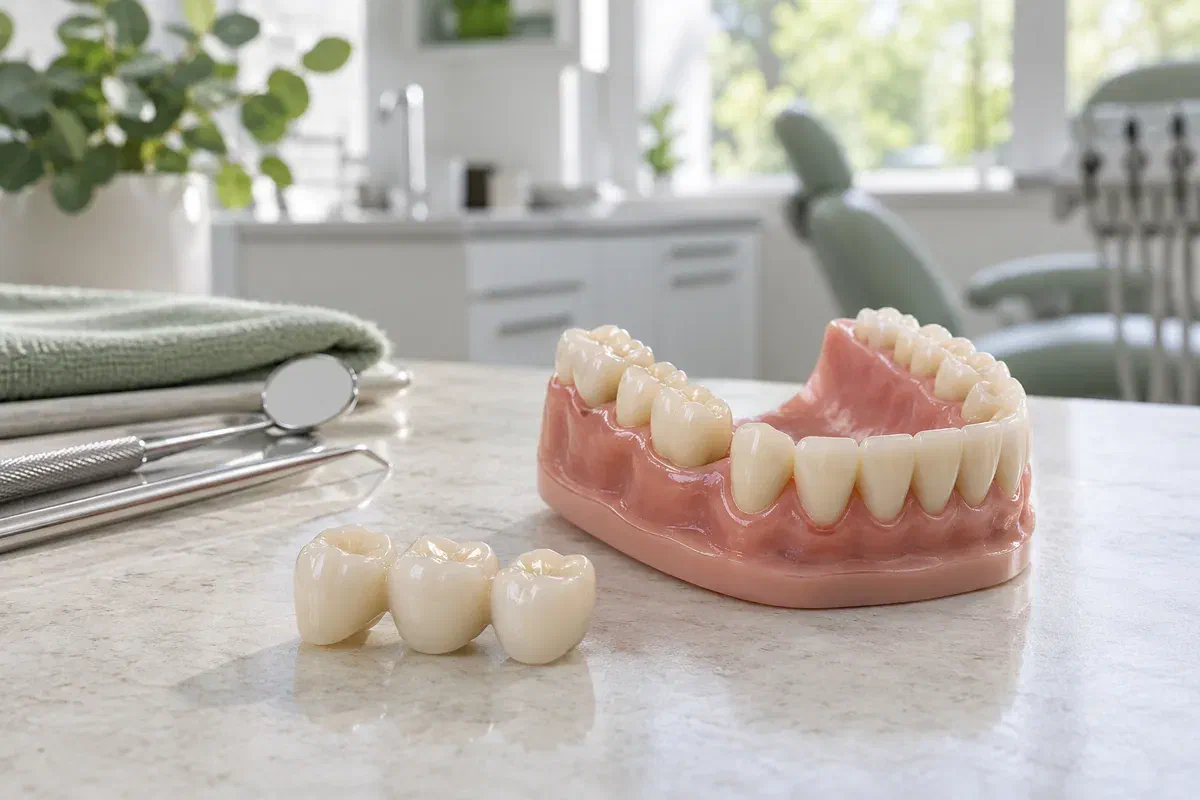
Some problems are visible; others show only on images. And a cosmetic concern is not the same as a failure. Seeing the evidence helps you judge whether the advice is proportionate.
Repeated repairs on the same bridge can suggest that fit, design, an anchor or bite forces are working against it. Share what you know of that history so it can be weighed.
Decay, a crack or gum and bone changes around a support are common reasons for advice to replace. That tooth may need its own treatment, and its outlook affects whether a similar bridge is reasonable.
If plaque and food collect where no tool can reach, the risk to the anchors rises over time. Point out those spots so the current shape and future access can be discussed.
While you are gathering opinions, call the clinic promptly if the bridge loosens, hurts or breaks into a sharp edge. Please leave it in place rather than attempting a home repair.
When replacement is the right call, the new bridge can be planned with a better shape, appropriate contacts and a bite that spreads load well. Those gains depend on anchors and gums that can support the design, which is why the foundation is assessed first.
It is worth asking directly: a replacement will not, by itself, cure decay or gum disease under the old bridge. Those need their own diagnosis and care. Ask how each anchor was evaluated and what that suggests about the new bridge’s prospects.
Describe what has worked well about the current bridge and what has not. That helps shape the next design, without assuming every feature should be repeated.
Ask to see the images and areas of concern on screen or in a mirror. Understanding the findings yourself makes it easier to accept a recommendation, or to question it, and to explain the decision to anyone at home who is helping you weigh it.
Make sure the plan includes a practical cleaning routine and a review schedule. Ask which aids you can use comfortably at home.
The process is similar to a first assessment, with your earlier findings as context. Ask about temporaries, what removal might reveal and how any plan would adapt.
The dentist listens to the earlier recommendation, reviews any records you bring and examines the bridge, the bite and the gums, taking images where needed. It is not about checking the other dentist’s work; it is about reaching an independent view. You will also hear honestly which questions no one can answer while the bridge is still cemented.
You will see what the dentist sees and hear whether maintaining, repairing or replacing the bridge seems reasonable. If replacement is advised, go through the design, alternatives, stages, fees and uncertainties.
If you choose to go ahead here, removal and any treatment are planned with appropriate comfort measures. The anchors are re-examined once exposed, records are taken and the temporary is explained.
The finished bridge is assessed for seating, bite, contacts and appearance before cementation. Ask to be shown how to clean it, and confirm the review timing and warning signs.
Keeping the current bridge or replacing it leads to the same daily job: cleaning under the false teeth and around each anchor. Ask for steps specific to the design you end up with, and for a reminder of what changed if you had a new one made.
The team can recommend suitable aids and show you exactly where to use them. If dexterity or access is a problem, mention it so a realistic routine is planned.
Report a bite that feels high, persistent soreness or new food trapping. A short adjustment period is common after fitting, but ongoing discomfort should be checked.
The bridge and anchors need ongoing attention, especially if you chose to monitor rather than replace. Raise any change at reviews, and contact the clinic sooner if needed.
Patient information: Cleveland Clinic — dental bridges
These answers help you understand a replacement recommendation, the transition and what needs confirming before a final bridge is made.
Come to our Bronte Street practice with the recommendation you were given. We can examine your bridge and its anchors, explain what the findings mean and outline what can be kept, repaired or replaced, with your comfort and daily care guiding the options.
Phone first if your bridge is loose or painful, rather than booking a routine appointment online.
