

Illustrative patient and dentist discussion about replacing an older crown
Restorative Dentistry

Dental Crown Replacement

When an existing crown no longer fits the needs of the tooth, a replacement starts with understanding why. Explore dental crown replacement in Milton with clear information about the underlying tooth, materials, and treatment sequence.

A closer look at crown replacement

Give the next crown a plan that fits the tooth today.

Dental crown replacement involves removing an existing crown and making a new restoration when that is appropriate for the tooth. The old crown may be damaged, poorly fitting, or associated with a problem that requires access underneath. The reason for replacement should be clear before treatment starts.

The tooth beneath a crown can change over time. An examination considers its remaining structure, surrounding gum, symptoms, and previous treatment. A new outer covering is only part of the solution if the supporting tooth also needs attention.

At Milton Dental Clinic, we can review the current crown and explain what is known about the tooth before removal. Bring any concerns about colour, shape, comfort, or repeated repairs. We will help you understand which changes are practical and which clinical findings guide the next restoration.

Discuss replacing an existing crown
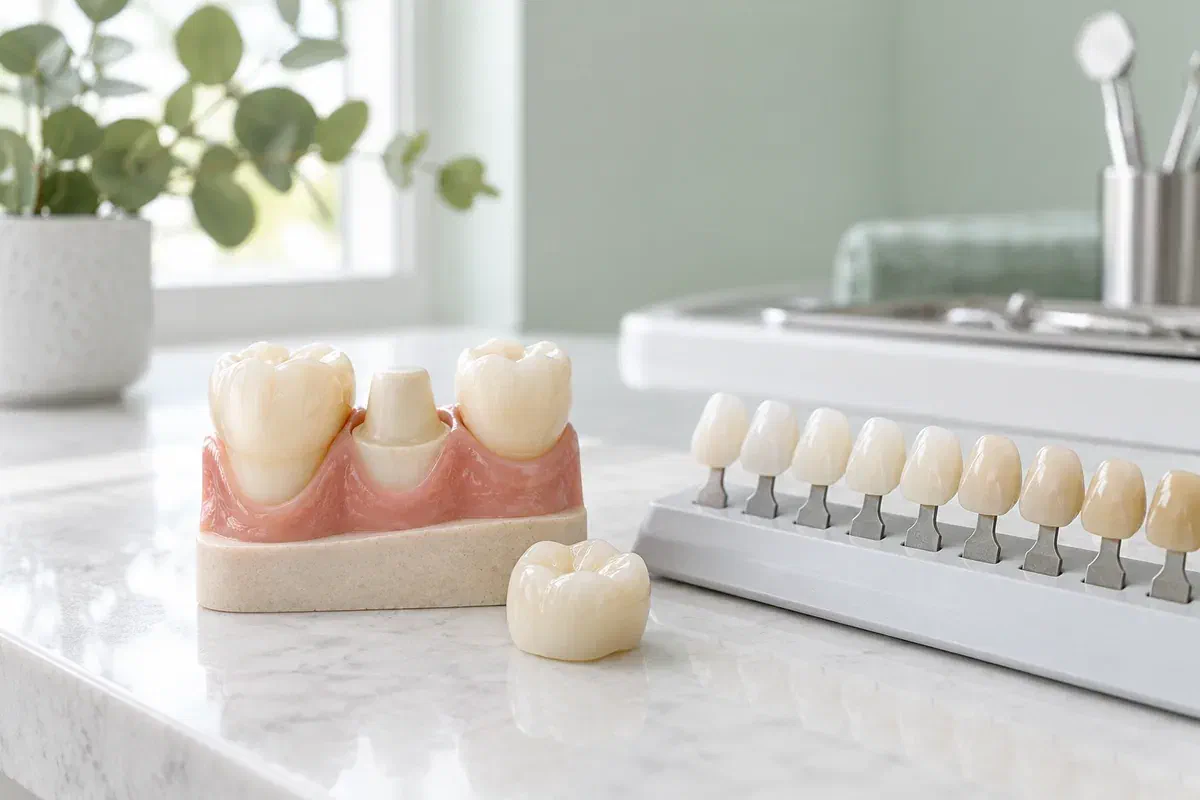
Prepared-tooth teaching model with a ceramic crown and shade guide
When a crown needs another look

The recommendation should begin with a specific concern.

A crown does not need replacement simply because it has reached a certain age. Assessment helps distinguish a restoration that can remain in service from one whose condition or supporting tooth calls for a different plan.

Damage that a limited repair cannot address

A substantial fracture or repeated failure may make another patch less useful. The dentist considers how much of the crown remains sound and whether repair could reasonably provide the shape and function the tooth needs.

A concern at the crown margin

The edge where the crown meets the tooth needs attention when there is a suspected fit problem or decay. The examination helps establish what is happening and whether removal is needed to treat the area properly.

An appearance that no longer suits you

A visible crown may differ from neighbouring teeth in shade or contour. Discuss your preferences alongside the condition of the restoration, because replacing an otherwise useful crown is a decision that should include its benefits and disadvantages.

Tell the team about pain, swelling, or looseness as well as appearance concerns. These may change the assessment and the timing of the recommended care.

What a new crown can contribute

Reconsider the fit, function, and appearance together.

When replacement is appropriate, the new crown can be planned around the tooth’s current condition and the surrounding bite. Material, contour, and appearance are considered together with the amount of supporting structure and your ability to keep the area clean.

A replacement crown is not a guarantee that the tooth will never need further treatment. The remaining structure, pulp or previous root canal treatment, gum health, and other factors still influence its outlook. Ask which limitations are relevant to your tooth.

Address the reason the old crown is unsuitable

The proposed treatment should connect to the problem identified. If decay, a damaged build-up, or another condition is present, ask how it will be managed before the final restoration is completed.

Discuss material choices in context

Different materials have different appearance and functional considerations. The position of the tooth and the demands placed on it matter, so the choice should be explained for your situation rather than presented as one universal best material.

Review the details that affect daily use

Shape, tooth contacts, and access for cleaning influence how a crown feels after fitting. Describe any difficulties with the old crown so those concerns can be considered while the replacement is planned.

Planning the replacement sequence

Know what is expected, and what removal may reveal.

The number of visits depends on the tooth and the work required. Before starting, discuss the temporary stage, comfort measures, costs, and how the plan would change if the supporting tooth needs additional treatment.

  1. Review the crown and relevant records

    The dentist examines the restoration and surrounding mouth, considers your symptoms, and uses appropriate records to assess the tooth. The discussion identifies the reason for replacement and any information that cannot be confirmed while the old crown remains in place.

  2. Remove the old restoration and reassess

    After consent and suitable comfort measures, the crown is removed using an appropriate technique. The tooth is examined directly, and any additional findings are discussed before proceeding with work that changes the agreed plan.

  3. Prepare and record the tooth for its new crown

    Necessary supporting treatment is completed or arranged, and suitable records are taken for the replacement. The team discusses shade and shape where relevant and explains any temporary crown used while the final restoration is being made.

  4. Check the new crown before completion

    The dentist assesses the fit, contacts, and bite, while you can discuss appearance and comfort. Once completed, the team explains immediate care, cleaning, and any follow-up needed for the tooth.

Living with the replacement

Care for the tooth around the crown as well as the crown itself.

The final restoration becomes part of your daily routine, but the surrounding tooth and gum still need attention. Ask for instructions that account for any additional treatment performed during the replacement process.

Follow the advice for the fitting appointment

Eating guidance may depend on the cement used and whether your mouth is numb. Ask before leaving when ordinary chewing is appropriate and how to avoid injuring soft tissues while sensation returns.

Clean along the gum and between the teeth

Maintain the recommended brushing and interdental routine. Mention if floss repeatedly catches or the area is difficult to reach so the team can check the contour and help you use a suitable cleaning method.

Check back about persistent discomfort

Report ongoing sensitivity, pain when biting, or a crown that seems to contact first. These concerns need assessment rather than repeated testing with hard food or an assumption that every symptom is a normal adjustment.

Patient information: ADA MouthHealthy — dental crowns

Choosing how much treatment is needed

Replacement is one response to an existing crown problem.

The condition of the crown and the tooth underneath determines which choices are realistic. Compare the purpose and limitations of each option before deciding how to proceed.

When replacement is not necessary

Keep or repair a suitable existing crown

An otherwise sound restoration may be monitored, polished, repaired, or refitted in selected circumstances. Ask why a limited approach is or is not reasonable for the specific concern being assessed.

When the tooth can support a new restoration

Make a replacement crown

A new crown may be appropriate once any underlying treatment needs have been addressed. Discuss material, preparation, temporary care, and the condition of the supporting tooth as parts of the same plan.

When the tooth’s outlook has changed

Consider a broader treatment plan

A significant fracture or other unfavourable finding may limit what another crown can achieve. The dentist can explain whether further treatment could retain the tooth or whether removal and replacement options need discussion.

Questions about a replacement crown

Understand the transition before the old crown is removed.

Your consultation is the time to discuss uncertainty, appearance preferences, and the practical arrangements between visits. These questions can help make the proposed sequence easier to follow.

(905) 876-4488
Can a crown be replaced with a different material?
Often a different material can be considered, but suitability depends on the tooth, available space, bite, and other findings. Explain what you would like to improve about the existing crown. Ask how the alternatives compare for your specific tooth rather than choosing by appearance alone.
Will removing the old crown damage it?
It may need to be cut or otherwise altered during removal, so you should not assume it can be kept as a reusable spare. The dentist chooses an approach appropriate to the tooth and restoration. Discuss the planned temporary arrangement before removal begins.
Does every replacement crown require a new root canal treatment?
No. A crown replacement and treatment inside the tooth are separate decisions. The dentist assesses symptoms, relevant tests, and any previous root canal treatment to determine whether additional care is indicated. Ask which findings support any recommendation involving the pulp or root canal.
Can I change the colour of a front crown during replacement?
Shade can be discussed as part of planning, alongside neighbouring teeth and the material selected. If you are also considering whitening, mention it early because timing may affect shade decisions. The team can explain realistic matching limits before the replacement is completed.
What if more decay is found after the old crown comes off?
The dentist should explain the finding and how it changes the tooth’s restorability or treatment needs. Additional work may be required before a final crown is appropriate. Ask beforehand how unexpected findings, revised costs, and temporary care would be discussed with you.
Should I replace several older crowns at the same time?
Each crown should have a reason for treatment. Sometimes planning several restorations together is useful, but that does not mean every older crown needs replacement. Ask which ones have clinical concerns, which changes are elective, and whether the work can reasonably be staged.
Dental crown replacement in Milton

Let’s plan the next crown around the whole tooth.

Arrange a consultation at our Bronte Street clinic to review an older or troublesome crown. We can discuss the reason for replacement, assess the supporting tooth, and explain the stages and choices that fit your situation.

Mention a loose crown, swelling, or significant pain when contacting the clinic so the team can discuss appropriate appointment timing.

Visit Milton Dental Clinic
Unit 1, 342 Bronte St. S, Milton, ON L9T 5B7
Get directions Clinic hours
Monday–Thursday
11am–7pm
Friday–Sunday
By appointment only

How can we help?

Milton Dental Clinic

Have a question about your smile? Choose the option that works best for you.

For urgent dental concerns, please call.
Messages are reviewed during clinic hours.