Whether there is still a tooth to consider
Tell us if the tooth has already been lost or if extraction has been recommended. Where the tooth is still present, it deserves a fair look at whether it could stay before planning moves to replacement.


An implant is a commitment that lasts well beyond the day the crown goes on. For rural households in Campbellville, our assessment considers the site, your health and the years of cleaning and check-ups any replacement will ask of you.
It is a question few people ask at the start, yet it shapes the whole decision. Every tooth replacement needs care for as long as it is in your mouth. An implant assessment looks at whether an implant could suit your gap, and also whether you could keep it healthy, alongside a check of the gums, the neighbouring teeth and anything to be treated first.
Think of the pathway in order. A support is placed in the jaw and given time to heal. A crown or other restoration is attached afterward. From then on, daily brushing, cleaning between teeth and regular professional reviews keep the area healthy. A bridge or removable tooth has its own upkeep, and comparing those routines is part of choosing well.
There is no need to arrive with an answer. Tell us how you manage your teeth now and what you would like to change. We will explain what we find, what further information might be useful, and how each option would fit your life over time.
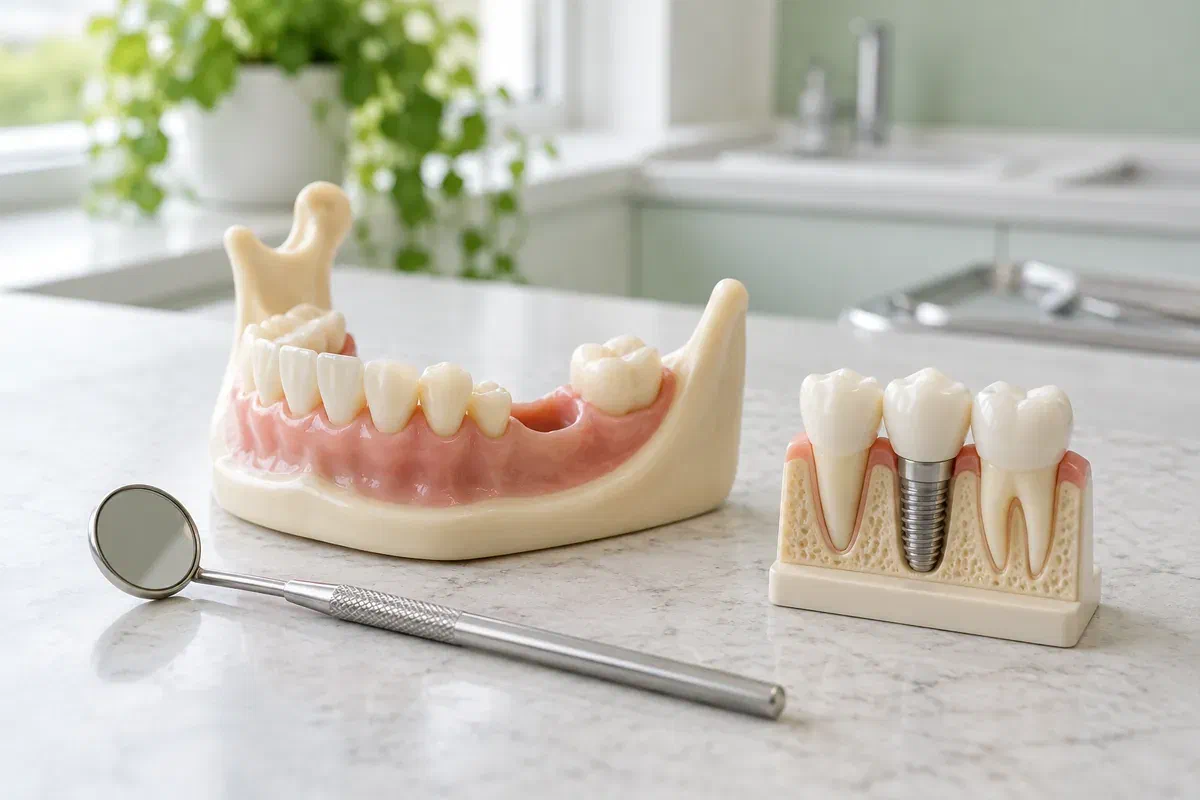
A gap is the beginning of the discussion, not the end. The replacement needs good support, a cleaning routine you will realistically keep, and an order of care that suits your health and schedule.
Tell us if the tooth has already been lost or if extraction has been recommended. Where the tooth is still present, it deserves a fair look at whether it could stay before planning moves to replacement.
Bring a complete list of prescriptions, supplements and past significant treatment. It helps the clinician think about healing and long-term gum health, and whether another health professional should be consulted.
Be honest about your brushing and flossing habits, how often you can come in, and what you want from a replacement. Upkeep matters for years, so it is part of the assessment from the start.
Please continue your prescribed medication as directed. Any change for dental reasons should be agreed with the clinicians who manage that medicine, never made on your own.
The assessment shows what must be understood before an implant is considered further. Gum health is often central, along with the site, the teeth on either side and any medical issue that could affect healing or timing.
Sometimes the next step is to gather more information. When a scan, a further examination or a referral is suggested, ask what it should clarify and how it will help you decide.
You will hear what looks achievable now and what is still uncertain, which matters more than any general timeline or story from someone else.
When you weigh an implant against a bridge or removable replacement, compare the daily cleaning and check-ups as well as the preparation, visits and limitations of each.
Find out who handles assessment, placement, the restoration and long-term reviews. Knowing who to call years from now is as useful as knowing who does the surgery.
Not every question can be answered at once. We will tell you what can be assessed during this visit, whether records might be needed, and when a fuller recommendation is likely.
We ask about how long the gap has been there, past replacements, and what you want to improve. We also go over your health, medicines and how you currently clean your teeth.
The dentist checks gum health, the room at the site, the neighbouring teeth and how you bite. Any condition that should be treated before implant planning is explained in context.
Imaging or other records can help show the bone and structures near the site. You can ask which are justified, whether previous records are available, and whether another clinician’s view would help.
We share the findings, what remains uncertain and the possible next steps. Ask how each stage would work, what a temporary tooth would involve, the expected fees and the care needed afterward.
Surgery is not scheduled just because you have been assessed. Before you leave, be sure of the decisions made, the next appointment and its reason, and how any current dental concern will be managed.
Keep the written plan, estimates and referral notes together. Look them over when you have a quiet moment, and ask about anything unclear before you consent to more.
Treatment for the gums or other teeth may come before further decisions. Ask how improvement will be measured and what needs to be in place before the site is ready.
New medicines, medical treatment or changes in your mouth during planning are worth a call. They can affect the sequence, and an assessment from some time ago may need refreshing.
Ask about the long term as well as the first steps. You do not need to understand the technical details before booking.
Bring your questions from Campbellville to our Bronte Street practice. We will look at the gap together and walk through the assessment that helps you compare replacements, including what each would ask of you long term. We will explain your starting point, the open questions and the practical stages ahead.
Please keep medical and medication details for the clinical team at your appointment rather than sending them in a general online enquiry.
