How long the space has been there
Tell us when the tooth was lost, or whether removal has only been suggested. A tooth that is still present should be assessed for whether it could reasonably be kept, which may change the timing altogether.


Is now the right time to replace the tooth, or can it wait? For households in Erin and Hillsburgh, an implant assessment helps you weigh acting now against waiting, with a clear look at the site, your health and the alternatives.
Plenty of people live with a missing tooth for a while because life is busy or the gap does not seem urgent. At some point the question becomes whether waiting is costing anything. An implant assessment can help answer that by checking the space, the gums, the neighbouring and opposing teeth, and your health, then explaining what each choice of timing would mean.
Timing also depends on how implant treatment is structured. There is a stage where a support is placed in the jaw, time for it to heal, a later stage when the crown or other restoration goes on, and years of cleaning and review after that. Some people need preparation before any of it. Seeing the whole sequence makes it easier to decide when, and whether, an implant, a bridge or a removable tooth makes sense.
You can book simply to find out where you stand. No decision is expected. We will explain what we see, what may need further checking, and the realistic options, including keeping an eye on the gap for now where that is reasonable.
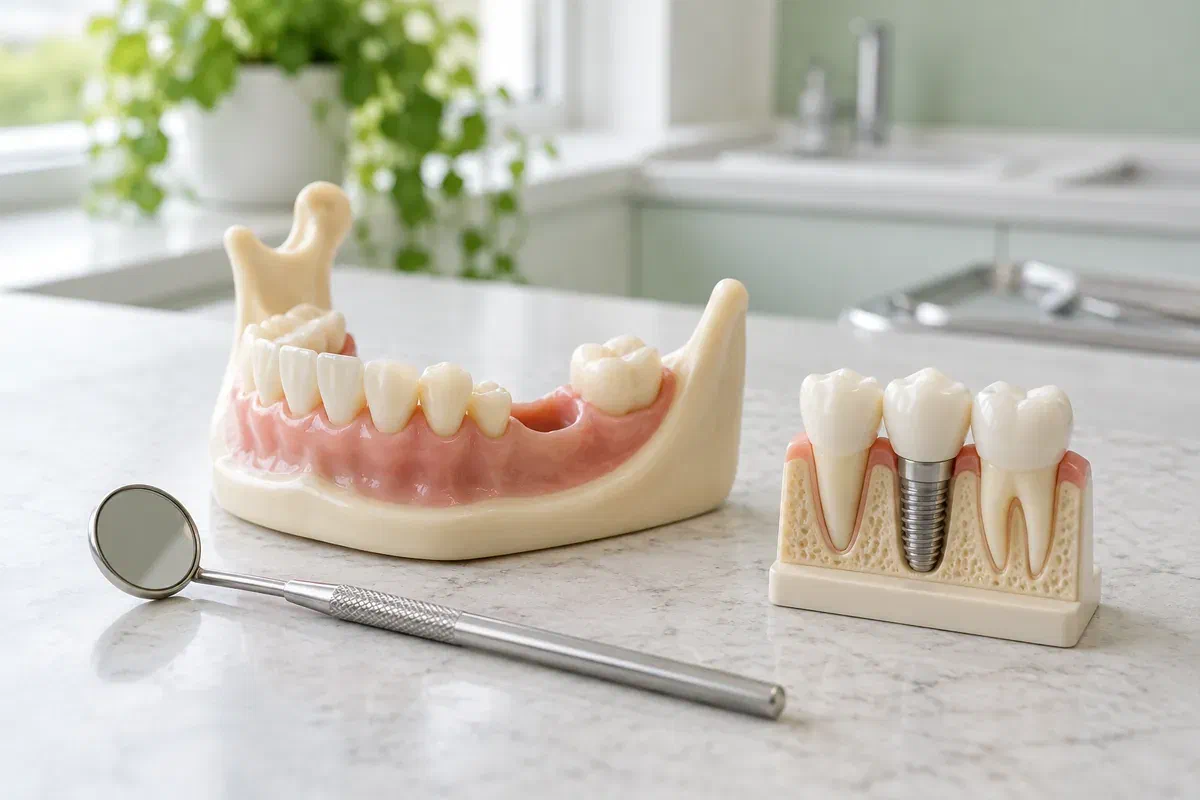
Whether to act now depends on more than the gap. Support at the site, the health of the teeth around it, your general health and your routine all play a part.
Tell us when the tooth was lost, or whether removal has only been suggested. A tooth that is still present should be assessed for whether it could reasonably be kept, which may change the timing altogether.
Bring your medication list, supplements and any significant past treatment. Some health matters influence when treatment is best planned, and the clinician may want to check with your doctor first.
Work, caregiving, travel and the time you have for home care all affect when a multi-stage plan is practical. Tell us about them so timing advice reflects your real circumstances.
Please keep to your prescribed medicines as usual. Any change linked to dental treatment needs to be planned with the clinicians who look after that part of your health.
The assessment shows what must be understood before implant care is pursued. Gum health, changes at the site since the tooth was lost, the neighbouring teeth and medical issues can all affect whether timing matters.
It may lead to further information rather than a recommendation. If a scan, another examination or a referral is suggested, ask what it should show and whether its result would change the urgency.
You will hear what appears possible now and what still needs checking, rather than relying on a general rule about waiting or acting quickly.
Weigh an implant, a bridge, a removable tooth and monitoring the gap by their groundwork, upkeep, visit count and limitations, so that waiting is a real choice rather than a default.
If different clinicians are involved, find out who would assess, place, restore and review. That helps you plan when each stage could realistically fit into your year.
Some questions may need more than one appointment. We will say what can be assessed during this visit, which records might be needed, and when a firmer recommendation becomes possible.
We ask when the tooth was lost, about any replacement you have tried, and what you would like to change. We also go over health history, medicines and any upcoming commitments.
The dentist looks at the space, the gums, your bite and whether nearby teeth have shifted. Any problems needing treatment first are explained, along with how they affect timing.
Imaging or other records may help show the bone at the site and the anatomy close by. Ask what each is for, whether earlier images exist, and whether another clinician’s opinion would add something.
We share findings, open questions and possible routes, including when each might happen. Ask about preparation, the surgical and healing phases, temporary teeth, fees and upkeep before choosing.
An assessment does not book surgery. Before you leave, be clear on what was agreed, what the next step would be and when, and how any current dental issue will be looked after.
If you decide to wait, keep the written summary, estimates and referral information so you can return to them. Ask for any term to be explained before you agree to anything further.
Even if replacement waits, gum treatment or care for other teeth may be worth doing now. Ask how progress will be reviewed and what would make the site ready later.
If you are waiting, ask how often the gap should be checked. Tell the clinic about changes in health, medicines or symptoms, because they may change the timing advice.
Ask anything about when, as well as how. You do not need to know the technical terms to book.
Not sure whether the gap can wait? Make an appointment at our Bronte Street practice from Erin and we will look at the tooth with that question in mind. We will explain your starting point, what is still unknown and the practical stages of each option, so the timing is your choice.
Please discuss medical and medication information with the clinical team at your appointment rather than sending it in a general online enquiry.
