Which teeth are missing or failing
Let us know which teeth are already gone and whether any others have been flagged for removal. Teeth that remain should be assessed on their own merits, since keeping a sound tooth can change the whole plan.


More than one gap raises bigger questions: replace each tooth, bridge some, or use a single appliance? From Puslinch, an implant assessment at our clinic looks at the whole mouth and your health before suggesting any combination of options.
Teeth are often lost one at a time, years apart. Eventually there may be two or three spaces, perhaps on different sides, and the question changes from how to replace a tooth to how to restore the mouth as a whole. An implant assessment starts there: it looks at every gap, the gums, the remaining teeth and your health before considering how implants might fit in.
For a single gap, an implant usually means one support in the jaw, time for healing, and a crown on top. With several gaps, implants might support individual crowns, a bridge or a removable appliance, and each arrangement brings its own preparation, healing and maintenance. Understanding those differences makes it easier to compare implant-based plans with conventional bridges or partial dentures.
You can come in without a preferred plan. Tell us which spaces bother you most and what you would like to be able to do again. We will describe what we find, what further information may be needed, and the range of options, from simple to more involved.
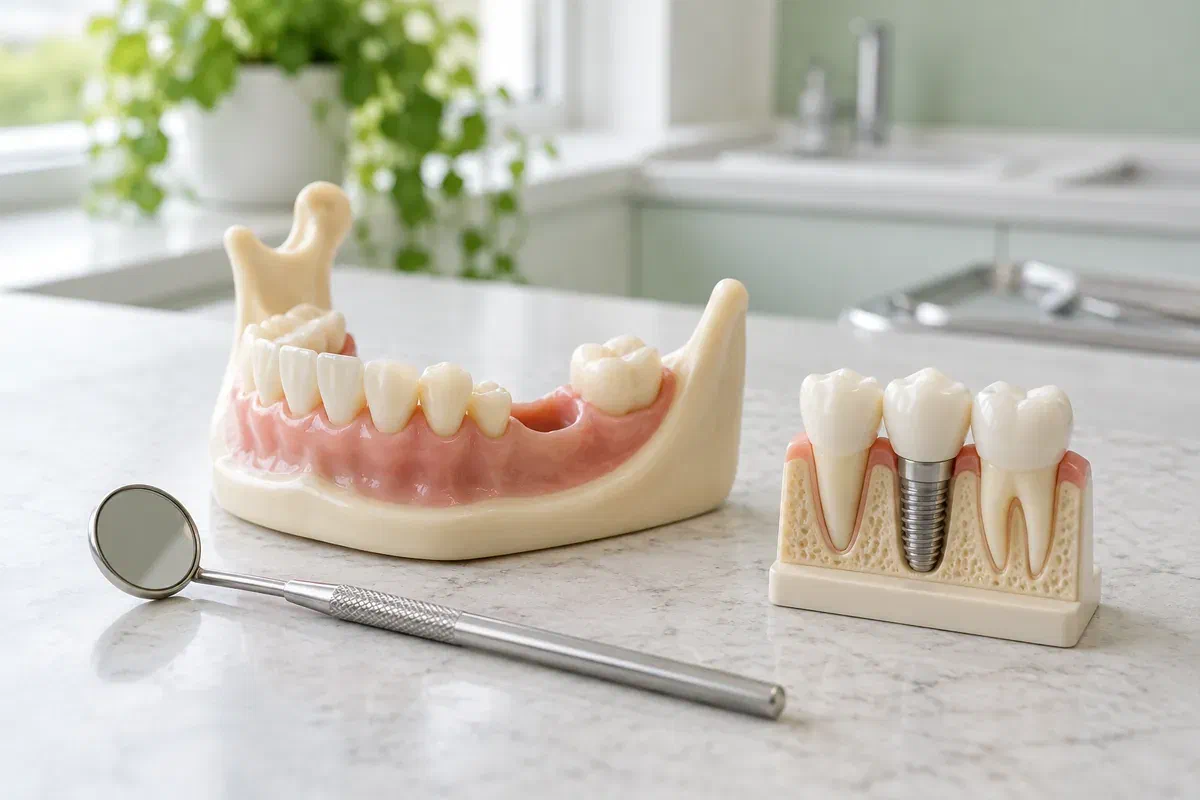
With more than one missing tooth, the remaining teeth, the gums and your bite become even more important. A plan needs dependable support, manageable cleaning and an order of care that makes sense.
Let us know which teeth are already gone and whether any others have been flagged for removal. Teeth that remain should be assessed on their own merits, since keeping a sound tooth can change the whole plan.
Bring your list of medicines and supplements and mention significant past treatment. These details matter more as a plan grows, and may lead the clinician to seek input from your physician.
Explain what is hardest now, whether chewing certain foods, appearance or comfort with an existing partial. Consider too how much cleaning and how many appointments you can manage.
Do not change or pause prescribed medication because you are having an implant consultation. Medication questions should be worked out with the clinicians who prescribe for you.
When several teeth are missing, choices made for one space can affect the others. The assessment identifies what must be understood first, such as gum health, the condition of key teeth, the sites themselves and any medical factors.
The next step may be more information. Imaging, further examination or a specialist opinion may be suggested; ask what each is meant to show and how it will shape the overall plan.
You will see which parts appear feasible and which still need investigation, so decisions about one gap do not close off better options for another.
Single implants, implant-supported bridges, conventional bridges and partial dentures can be mixed in different ways. Ask how each arrangement compares in preparation, upkeep, visits and limitations.
Larger plans may involve several clinicians. Agree early on who handles assessment, placement, restorations and follow-up, and who keeps the overall plan on track.
A larger plan is rarely settled in one visit. We will explain what can be assessed straight away, what records are likely to help, and when a fuller recommendation can be made.
We ask when each tooth was lost, what replacements you have used, and what you would like to change. Your health, medicines and dental history are part of this discussion.
The dentist checks every remaining tooth, gum health, your bite and the available space at each site. Problems that need attention first are explained, along with how they affect the order of care.
Imaging and possibly models or photographs can help assess bone, nearby anatomy and how the bite works across the gaps. Ask what is justified and whether existing records can contribute.
We discuss the findings, the uncertainties and the different ways the gaps could be restored. Ask how the stages would be phased, what temporary solutions would look like, the fees and the long-term care.
An assessment does not mean surgery is booked. For a larger plan especially, check what has been agreed, which phase comes first, and how any current dental concern will be looked after.
Ask for the outline in phases, with estimates for each. Review it at home and ask for plain explanations of anything unfamiliar before you commit to the first phase.
Gum treatment, fillings or other care may come first. Ask how readiness will be judged and which teeth or sites need to be stable before implant decisions are made.
Larger plans take time, and health or symptoms may change. Let us know about new medicines, medical care or problems with existing teeth so the plan can be adjusted.
Ask whatever helps you understand the choices. You do not need any technical knowledge before your first visit.
Visit our Bronte Street practice from Puslinch to talk about several missing teeth and the assessment needed to compare ways of restoring them. We will explain your starting point, what still needs clarifying and how a plan could be phased sensibly.
Please share medical and medication details with the clinical team during your appointment instead of including them in a general online enquiry.
